Rice VS Steel Cut Oats
A detailed nutritional comparison
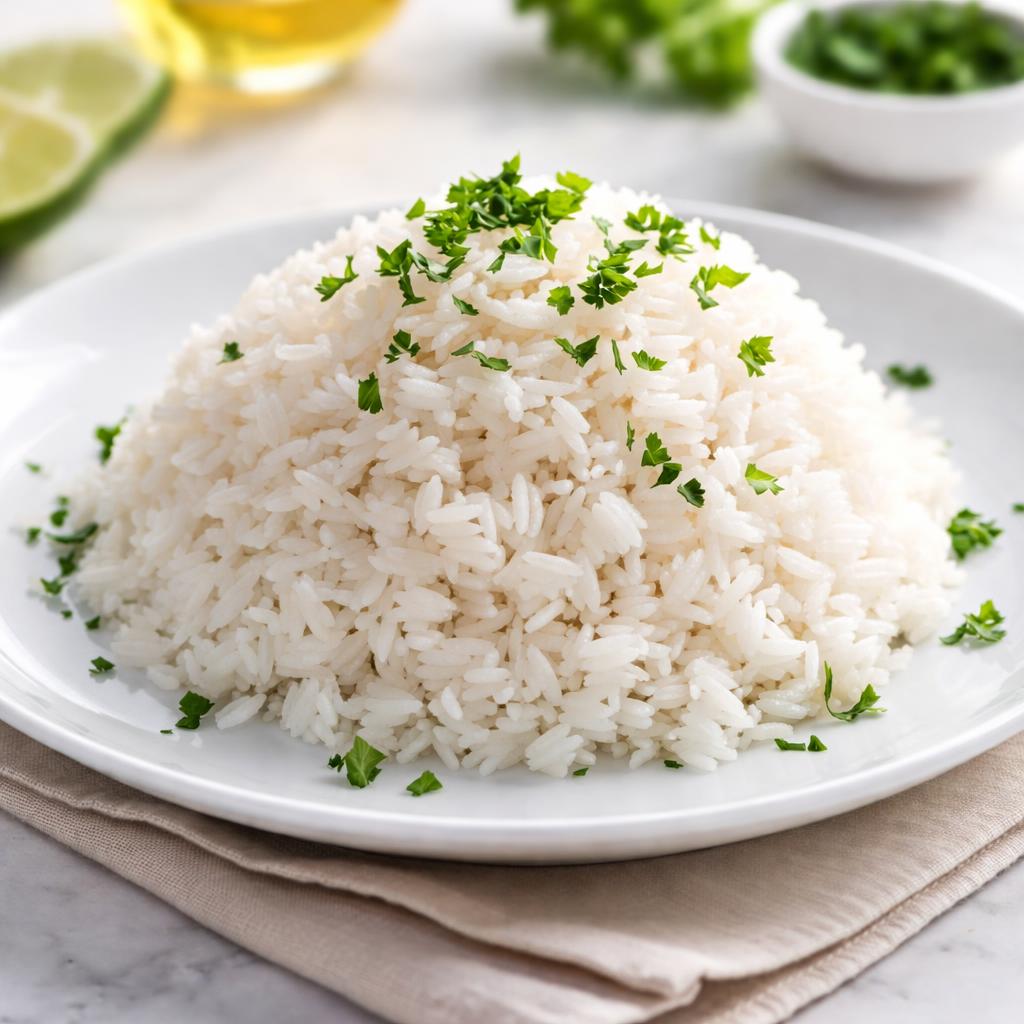
Rice
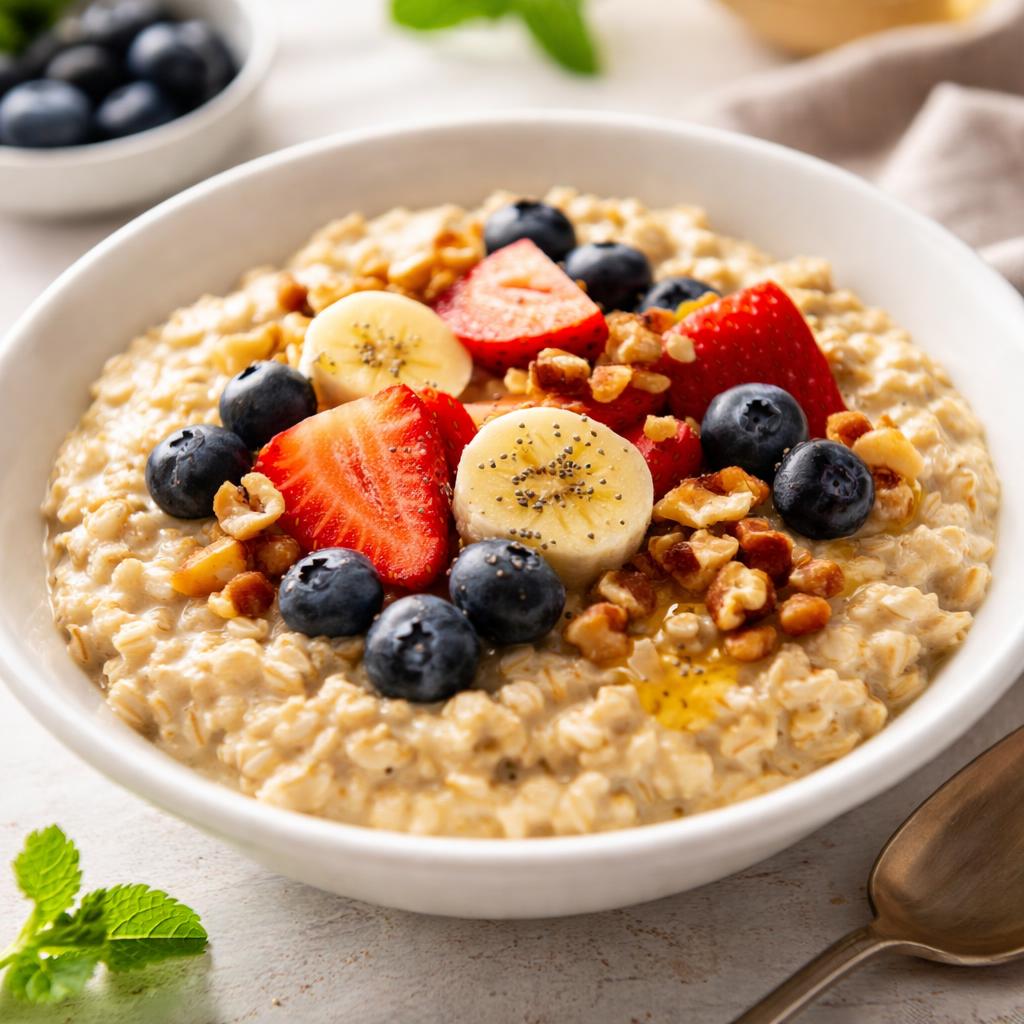
Steel Cut Oats
🎯 Quick Verdict
Steel cut oats outshine rice in fiber and protein content, making them a more nutritious option overall. Rice, however, can be beneficial for quick energy with fewer micronutrients and dietary fiber. Choose steel cut oats for sustained energy and gut health, and rice for simplicity and versatility in meals.

Smart Nutrition Tracking with SnapCalorie

📊 Nutritional Comparison
Macronutrients
| Nutrient | Food 1 | Food 2 | Winner |
|---|---|---|---|
| Calories | 206 (white rice, cooked, 1 cup) | 170 (steel cut oats, cooked, 1 cup) | − |
| Protein | 4.3g | 5.5g | ✓ |
| Carbs | 45g | 29g | ✓ |
| Fat | 0.4g | 2.5g | ✓ |
| Fiber | 0.6g | 4g | ✓ |
Vitamins & Minerals
| Nutrient | Food 1 | Food 2 | Winner |
|---|---|---|---|
| Vitamin B6 | 0.145mg | 0.05mg | ✓ |
| Iron | 0.63mg | 2.2mg | ✓ |
| Magnesium | 12mg | 58mg | ✓ |
🏆 Category Winners
Protein
Steel cut oats provide 28% more protein per serving.
Fiber
Steel cut oats have over 6x the fiber content compared to rice.
Calories
The calorie difference per serving is minimal.
Vitamins
Steel cut oats are richer in key minerals like iron and magnesium.
🥗 Diet Compatibility
Keto
Food 1: Not Compatible
Food 2: Not Compatible
Both contain high carb content.
Vegan
Food 1: Compatible
Food 2: Compatible
Neither contains any animal products.
Gluten Free
Food 1: Compatible
Food 2: Compatible if certified gluten-free
Rice is naturally gluten-free; steel cut oats may need certification to avoid contamination.
Paleo
Food 1: Not Compatible
Food 2: Not Compatible
Grains like rice and oats are excluded from paleo diets.
Low-Carb
Food 1: Not Compatible
Food 2: Not Compatible
Both are high in carbohydrates and unsuitable for low-carb diets.
💪 Health Benefits Comparison
Food 1 Benefits
- Provides quick energy from carbohydrates
- Easy to digest, ideal for sensitive stomachs
- Versatile ingredient for diverse dishes
Food 2 Benefits
- High fiber content supports gut health
- Rich in magnesium for muscle and nerve function
- Provides plant-based protein for muscle repair
- Contains iron for improved oxygen transport
✅ The Bottom Line
Steel cut oats are nutritionally superior with higher fiber, protein, and key minerals like iron and magnesium. Rice is better suited for quick, digestible energy and as a versatile staple. Prefer steel cut oats for sustained energy, gut health, and nutrient density, and rice for its simplicity and as a grain base in meals.
Choose Food 1 for: Quick energy, light meals, pairing with protein-rich dishes
Choose Food 2 for: Gut health, high-fiber diets, breakfast options


