Rice VS Steamed Rice
A detailed nutritional comparison
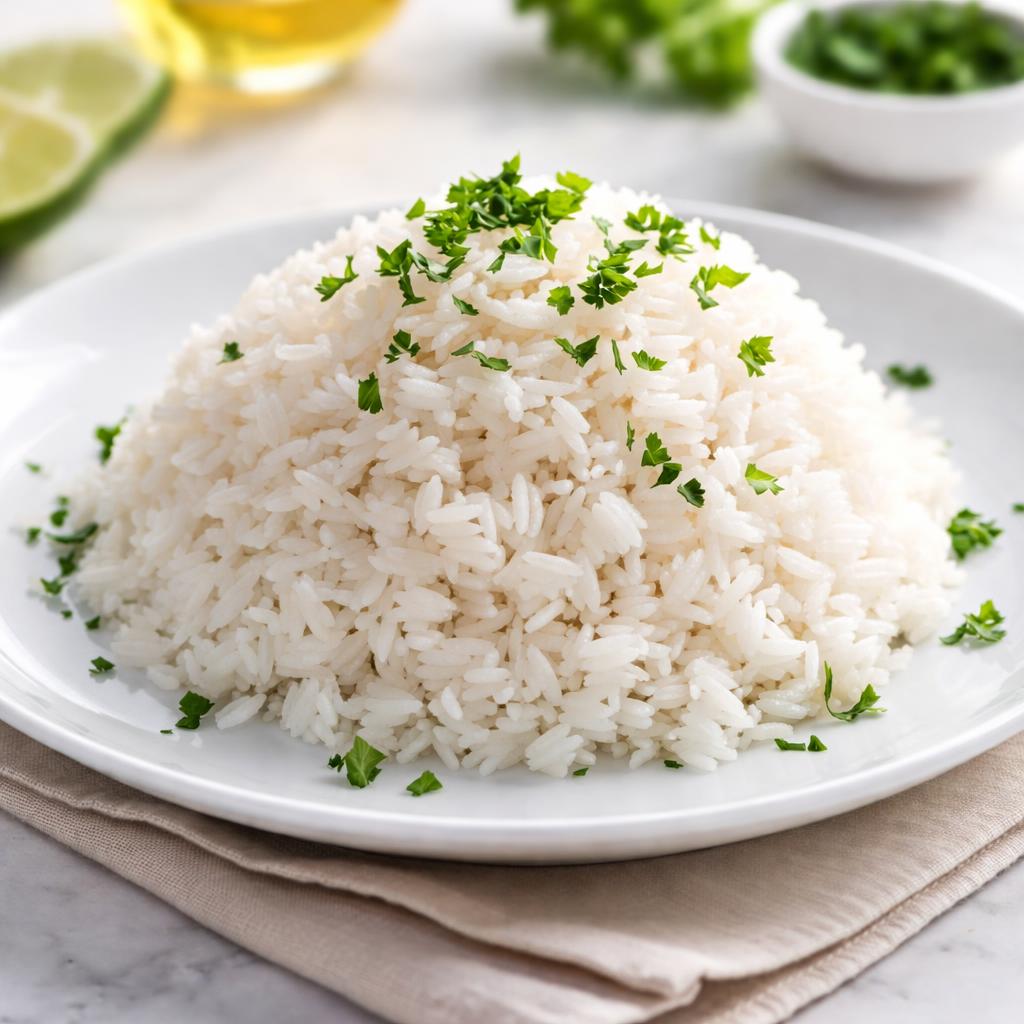
Rice
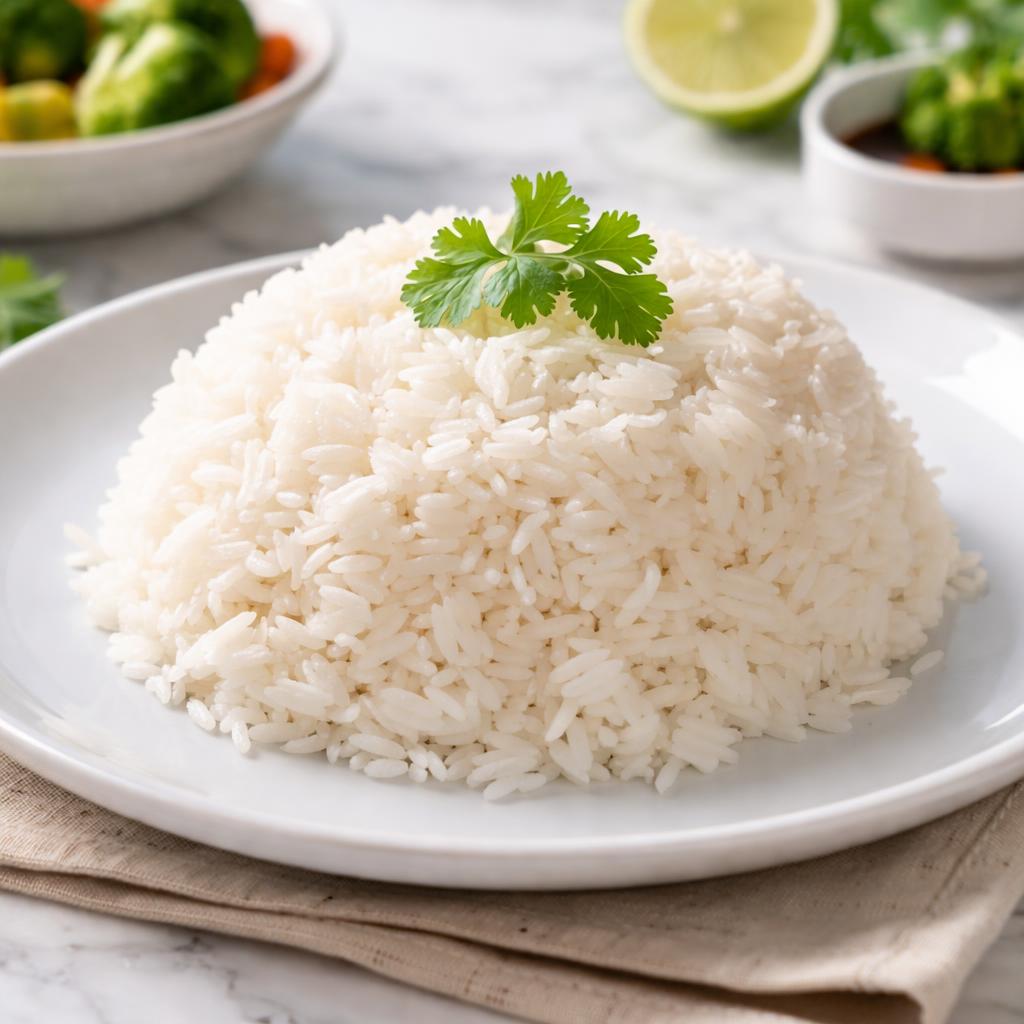
Steamed Rice
🎯 Quick Verdict
Rice and steamed rice are nearly identical nutritionally, as the steaming process does not significantly impact macronutrients or vitamins. Both are great choices for energy due to their carbohydrate content and compatibility with various diets, including vegan and gluten-free plans.

Smart Nutrition Tracking with SnapCalorie

📊 Nutritional Comparison
Macronutrients
| Nutrient | Food 1 | Food 2 | Winner |
|---|---|---|---|
| Calories | 130 | 130 | − |
| Protein | 2.7g | 2.7g | − |
| Carbs | 28g | 28g | − |
| Fat | 0.3g | 0.3g | − |
| Fiber | 0.4g | 0.4g | − |
Vitamins & Minerals
| Nutrient | Food 1 | Food 2 | Winner |
|---|---|---|---|
| Vitamin B1 (Thiamine) | 0.02mg | 0.02mg | − |
| Vitamin B3 (Niacin) | 0.6mg | 0.6mg | − |
| Iron | 0.2mg | 0.2mg | − |
🏆 Category Winners
Protein
Both foods contain equal protein levels.
Fiber
No differences in fiber content.
Calories
Both foods have identical caloric values per serving.
Vitamins
Nutrient composition of the foods is identical overall.
🥗 Diet Compatibility
Keto
Food 1: Not Compatible
Food 2: Not Compatible
Both are high in carbohydrates, unsuitable for keto diets.
Vegan
Food 1: Compatible
Food 2: Compatible
Both are plant-based and vegan-friendly.
Gluten Free
Food 1: Compatible
Food 2: Compatible
Rice and steamed rice are naturally gluten-free.
Paleo
Food 1: Compatible
Food 2: Compatible
Both fit within paleo diet parameters.
Low Carb
Food 1: Not Compatible
Food 2: Not Compatible
Carbohydrate levels are high and unsuitable for low-carb diets.
💪 Health Benefits Comparison
Food 1 Benefits
- Provides quick energy due to high carbohydrate content
- Naturally gluten-free, suitable for sensitive diets
- Provides small amounts of essential B vitamins
Food 2 Benefits
- Easily digestible and gentle on the stomach
- Simple preparation retains original nutrient profile
- Naturally gluten-free and hypoallergenic
✅ The Bottom Line
Rice and steamed rice are nearly identical nutritionally and functionally. Choose either based on preparation preference or cultural recipes. Both are energy-dense and suitable for most diets, except keto and low-carb plans.
Choose Food 1 for: Traditional dishes, energy needs during physical activity
Choose Food 2 for: Light meals, gentle digestion, consistent dietary energy


