Rice VS Squid
A detailed nutritional comparison
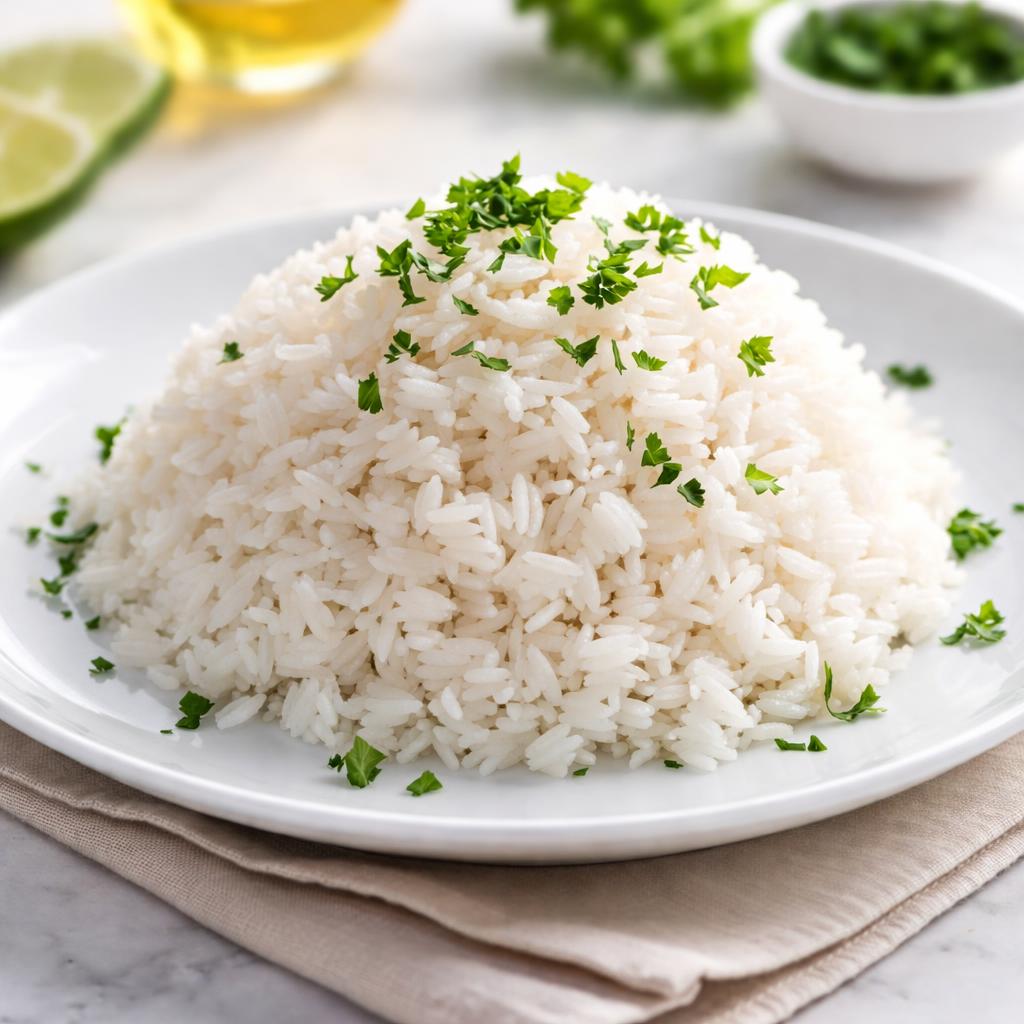
Rice
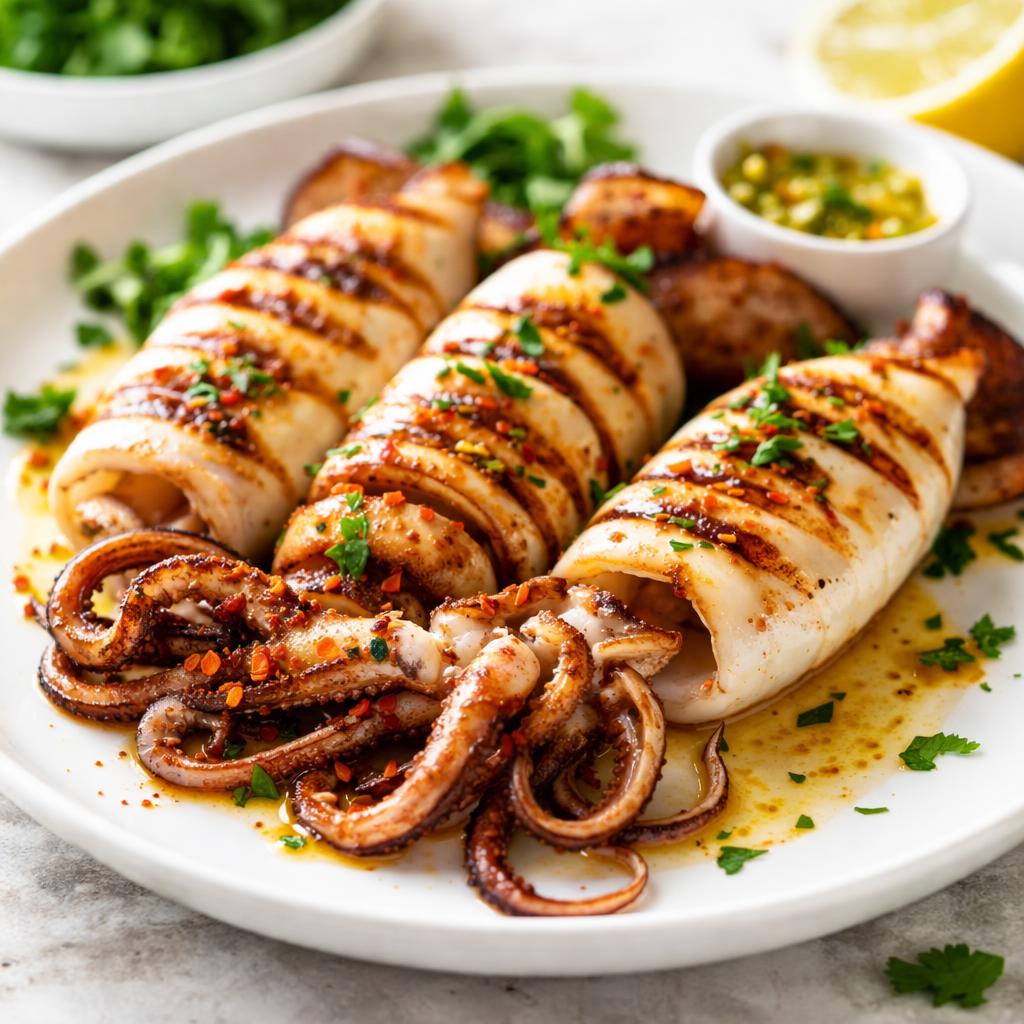
Squid
🎯 Quick Verdict
Squid is a high-protein, low-calorie seafood packed with nutrients like vitamin B12 and selenium, making it ideal for muscle building and overall health. Rice, on the other hand, is a plant-based staple offering carbohydrates for energy and fiber for digestion, better suited for sustained energy or vegan diets. Choose squid for lean protein needs and rice for energy-focused meals.

Smart Nutrition Tracking with SnapCalorie

📊 Nutritional Comparison
Macronutrients
| Nutrient | Food 1 | Food 2 | Winner |
|---|---|---|---|
| Calories | 130 per 100g | 92 per 100g | ✓ |
| Protein | 2.7g per 100g | 15.6g per 100g | ✓ |
| Carbs | 28g per 100g | 3.1g per 100g | ✓ |
| Fat | 0.3g per 100g | 1.4g per 100g | ✓ |
| Fiber | 0.4g per 100g | 0g per 100g | ✓ |
Vitamins & Minerals
| Nutrient | Food 1 | Food 2 | Winner |
|---|---|---|---|
| Vitamin B12 | 0mcg | 1.4mcg per 100g | ✓ |
| Selenium | 0mg | 44mcg per 100g | ✓ |
| Iron | 0.4mg per 100g | 0.9mg per 100g | ✓ |
🏆 Category Winners
Protein
Squid has 5x more protein per serving than rice, ideal for muscle maintenance.
Fiber
Rice contains 0.4g of fiber, whereas squid contains none.
Calories
Squid provides fewer calories per serving, supporting weight management.
Vitamins
Squid is superior in micronutrients like vitamin B12 and selenium.
🥗 Diet Compatibility
Keto
Food 1: Not Compatible
Food 2: Compatible
Squid is low-carb, while rice is primarily carbohydrate.
Vegan
Food 1: Compatible
Food 2: Not Compatible
Rice is plant-based; squid is seafood.
Gluten Free
Food 1: Compatible
Food 2: Compatible
Both foods naturally contain no gluten.
Paleo
Food 1: Not Compatible
Food 2: Compatible
Squid aligns with paleo principles; rice does not due to being a cultivated grain.
Low Carb
Food 1: Not Compatible
Food 2: Compatible
Rice is high in carbs, while squid is low-carb with only 3.1g per 100g.
💪 Health Benefits Comparison
Food 1 Benefits
- Provides quick energy from carbohydrates
- Easy to digest and gentle on the stomach
- A source of plant-based nutrition suitable for vegetarian and vegan diets
Food 2 Benefits
- Rich in high-quality protein for muscle building and repair
- Contains vitamin B12 for nervous system support
- High in selenium for antioxidant protection and immune health
- Low-calorie option suitable for weight management
✅ The Bottom Line
Choose squid for a high-protein, nutrient-dense meal suitable for keto, paleo, and low-carb diets. Opt for rice when energy from carbohydrates is a priority, particularly in vegan or gluten-free meals. Incorporating both can complement diverse dietary needs.
Choose Food 1 for: Energy-heavy meals, vegan diets, budget-friendly cooking
Choose Food 2 for: High-protein diets, weight management, nutrient-dense meals


