Rice VS Squash
A detailed nutritional comparison
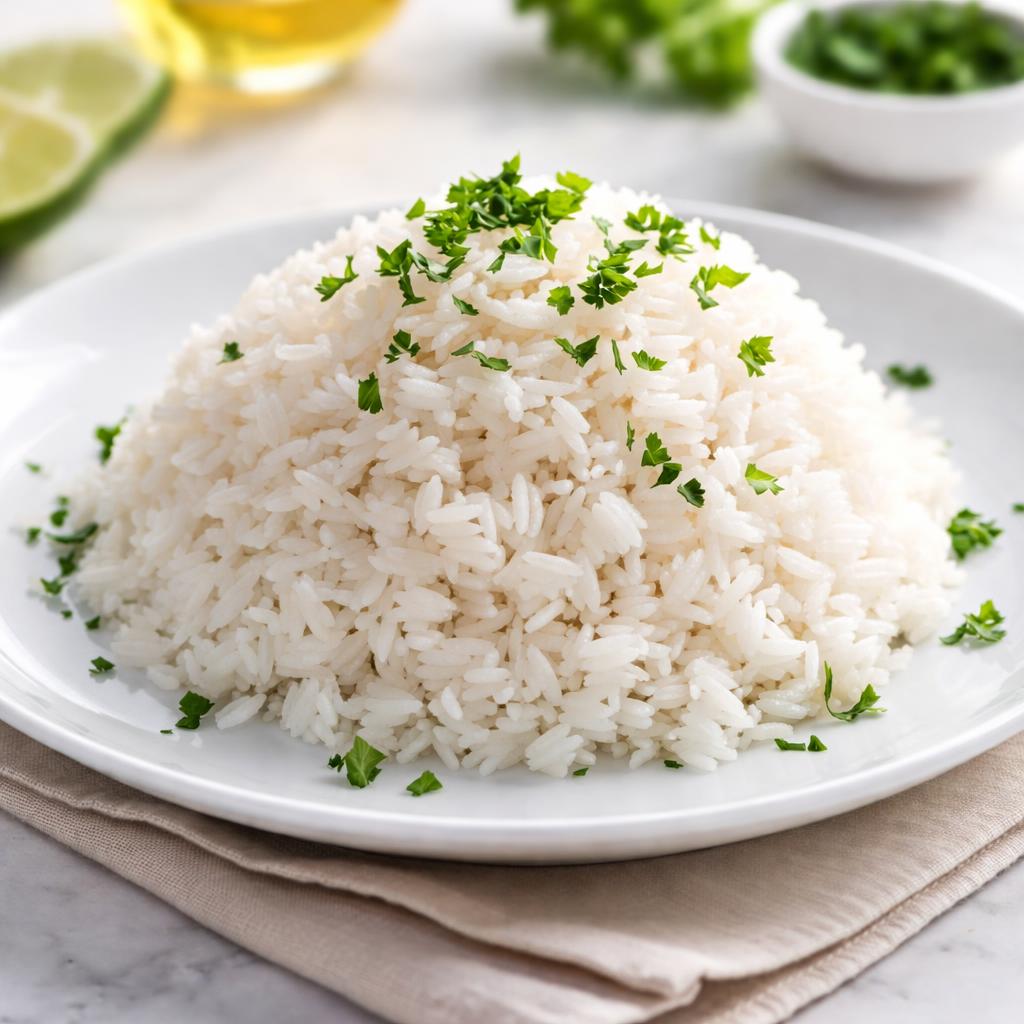
Rice
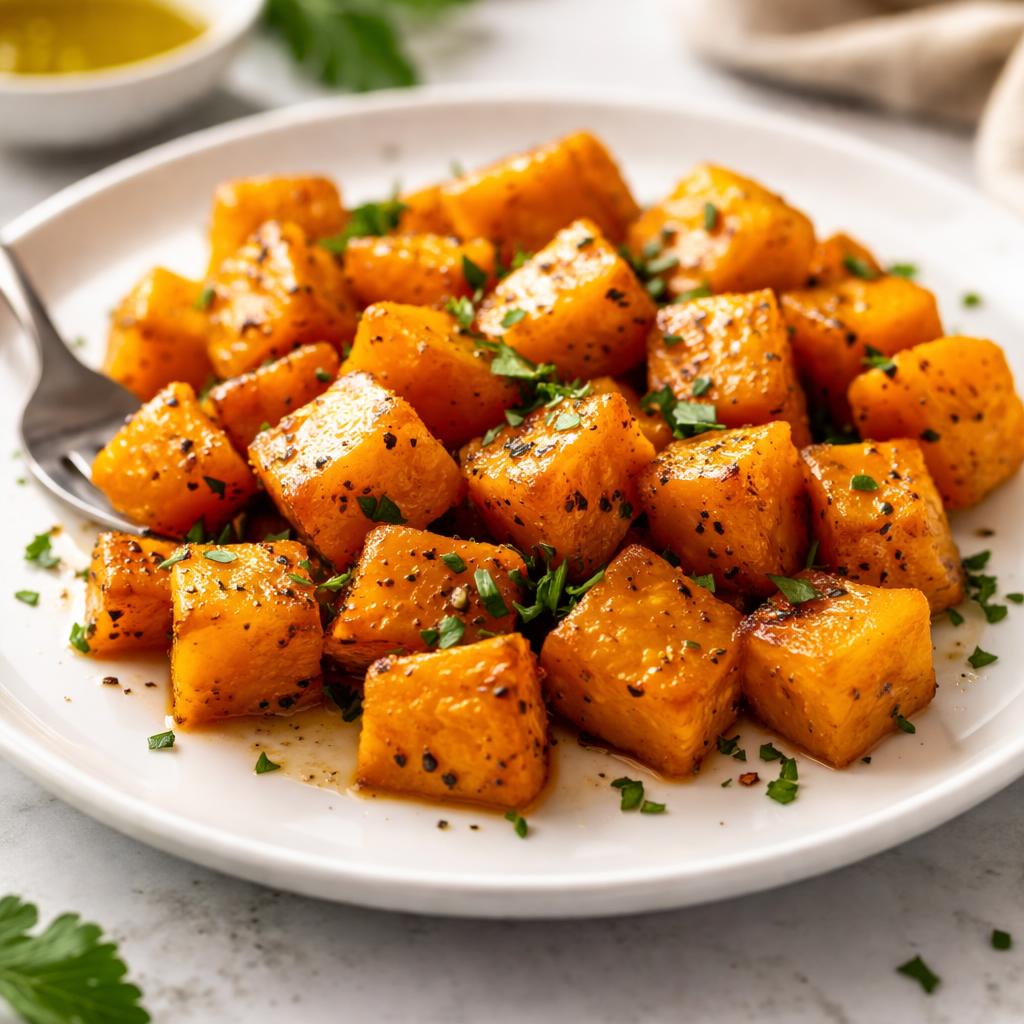
Squash
🎯 Quick Verdict
Rice is higher in protein and carbs, making it a good choice for energy and post-workout recovery. Squash is lower in calories and higher in fiber, providing better digestive benefits and a great option for weight management diets. Both are gluten-free and vegan-friendly, appealing to a wide range of diets.

Smart Nutrition Tracking with SnapCalorie

📊 Nutritional Comparison
Macronutrients
| Nutrient | Food 1 | Food 2 | Winner |
|---|---|---|---|
| Calories | 130 per cup (cooked) | 60 per cup (cooked) | ✓ |
| Protein | 2.7g | 1.2g | ✓ |
| Carbs | 28g | 15g | ✓ |
| Fat | 0.3g | 0.1g | ✓ |
| Fiber | 0.6g | 2.5g | ✓ |
Vitamins & Minerals
| Nutrient | Food 1 | Food 2 | Winner |
|---|---|---|---|
| Vitamin A | 0 IU | 818 IU | ✓ |
| Vitamin C | 0mg | 9mg (15% DV) | ✓ |
| Potassium | 35mg | 262mg | ✓ |
🏆 Category Winners
Protein
Rice contains over double the amount of protein compared to squash, making it better for protein needs.
Fiber
Squash has significantly more fiber, supporting better digestion and satiety.
Calories
Squash is far lower in calories, ideal for weight management diets.
Vitamins
Squash is richer in essential vitamins like A, C, and potassium, boosting immunity and overall health.
🥗 Diet Compatibility
Keto
Food 1: Not Compatible
Food 2: Not Compatible
Both foods are relatively high in carbs, exceeding keto diet limits.
Vegan
Food 1: Compatible
Food 2: Compatible
Both are plant-based and free from animal products.
Gluten Free
Food 1: Compatible
Food 2: Compatible
Neither contains gluten, suitable for gluten-free diets.
Paleo
Food 1: Compatible
Food 2: Compatible
Both foods align with paleo diet principles prioritizing unrefined, whole foods.
Low-Carb
Food 1: Not Compatible
Food 2: Moderately Compatible
Rice has high carbs while squash offers fewer carbs, making it more suitable for carb-conscious diets.
💪 Health Benefits Comparison
Food 1 Benefits
- Provides quick energy due to its carb content
- Supports muscle repair with its protein content
- Naturally gluten-free and easily digestible
Food 2 Benefits
- Rich in antioxidants like Vitamin C for immunity
- High in fiber for digestion and weight management
- Low in calories and carbs for heart health
✅ The Bottom Line
Choose rice for energy-boosting meals or post-workout recovery. Squash is better suited for weight loss and nutrient-rich dishes due to its vitamins and lower calorie count.
Choose Food 1 for: Quick energy, post-workout recovery, filling side dishes
Choose Food 2 for: Weight loss, nutrient-dense meals, digestive health


