Rice VS Soya Chunks
A detailed nutritional comparison
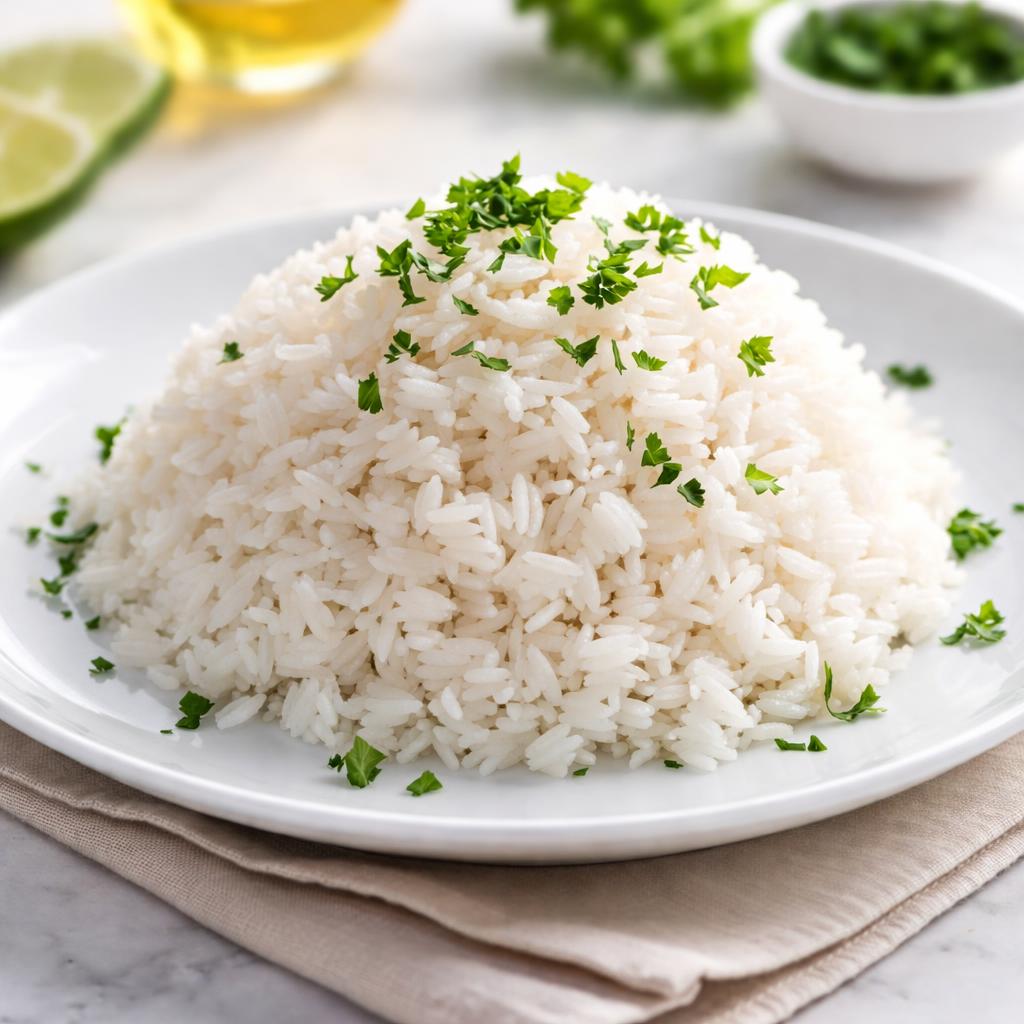
Rice
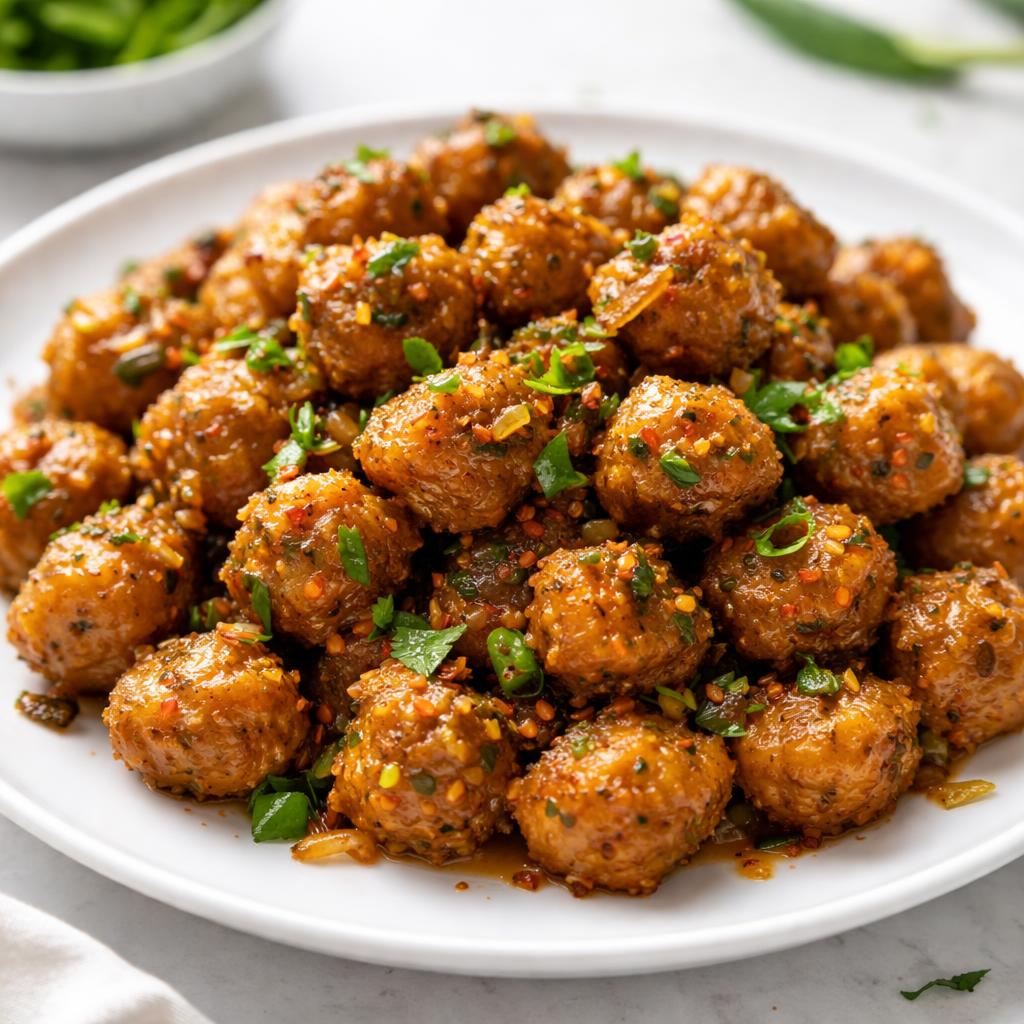
Soya Chunks
🎯 Quick Verdict
Soya chunks outperform rice nutritionally, offering significantly higher protein (52g vs 2.6g per 100g) and fiber (13g vs 0.4g per 100g). Rice is lower in calories (130 vs 345 kcal per 100g), making it better for lighter meals, while soya chunks are ideal for high-protein diets or muscle-building plans.

Smart Nutrition Tracking with SnapCalorie

📊 Nutritional Comparison
Macronutrients
| Nutrient | Food 1 | Food 2 | Winner |
|---|---|---|---|
| Calories | 130 kcal | 345 kcal | ✓ |
| Protein | 2.6g | 52g | ✓ |
| Carbs | 28g | 20g | ✓ |
| Fat | 0.3g | 0.5g | ✓ |
| Fiber | 0.4g | 13g | ✓ |
Vitamins & Minerals
| Nutrient | Food 1 | Food 2 | Winner |
|---|---|---|---|
| Vitamin B6 | 0.1mg | 0.9mg | ✓ |
| Calcium | 10mg | 350mg | ✓ |
| Iron | 0.2mg | 15mg | ✓ |
| Magnesium | 12mg | 65mg | ✓ |
🏆 Category Winners
Protein
Soya chunks deliver 20x more protein than rice per 100g.
Fiber
Soya chunks provide 13g fiber compared to 0.4g in rice.
Calories
Rice contains 62% fewer calories than soya chunks.
Vitamins
Soya chunks are much richer in calcium, iron, and Vitamin B6.
🥗 Diet Compatibility
Keto
Food 1: Not Compatible
Food 2: Compatible
Soya chunks are low-carb (20g per 100g), while rice is high in carbs (28g per 100g).
Vegan
Food 1: Compatible
Food 2: Compatible
Both foods are plant-based.
Gluten Free
Food 1: Compatible
Food 2: Compatible
Neither contains gluten.
Paleo
Food 1: Not Compatible
Food 2: Not Compatible
Soya chunks and rice are not considered paleo-friendly due to processing and grain content.
Low-Carb
Food 1: Not Compatible
Food 2: Compatible
Soya chunks have moderate carbs (20g), while rice is high-carb (>28g per serving).
💪 Health Benefits Comparison
Food 1 Benefits
- Provides quick energy due to high carb content
- Low in fat for calorie control
- Easily digestible, suitable for sensitive stomachs
Food 2 Benefits
- Excellent source of plant-based protein for muscle growth
- Contains high fiber for gut health and satiety
- Rich in iron and calcium for bone health and improved circulation
- Low-carb option suitable for managing blood sugar levels
✅ The Bottom Line
If you need a protein-packed option or fiber boost, soya chunks are the clear winner and great for muscle building or balanced vegan diets. Rice may be a better choice for lighter meals or quick energy in endurance activities. Choose soya chunks for nutrient density and satiety, while rice suits low-fat, quick-energy needs.
Choose Food 1 for: Light meals, quick energy, high-carb diets
Choose Food 2 for: Muscle building, high-protein diets, digestion and satiety


