Rice VS Soy Sauce
A detailed nutritional comparison
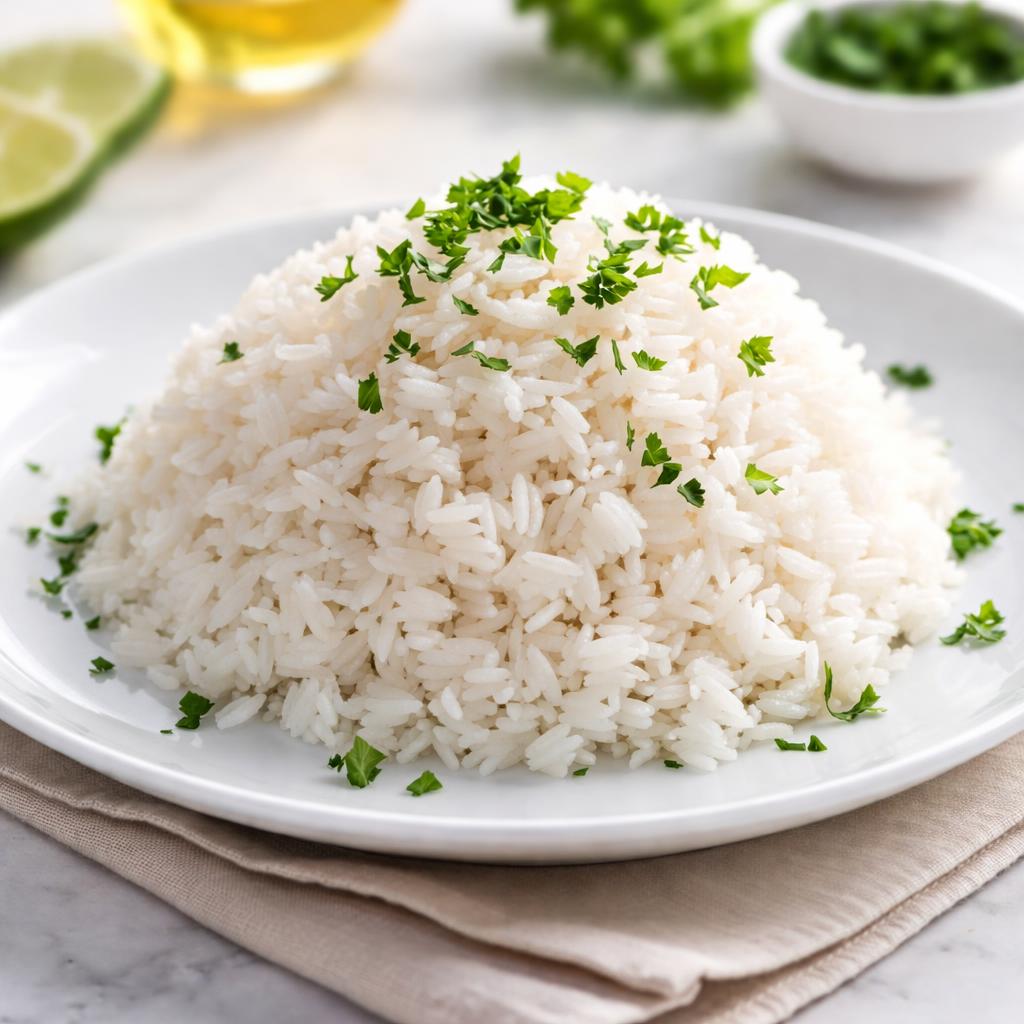
Rice
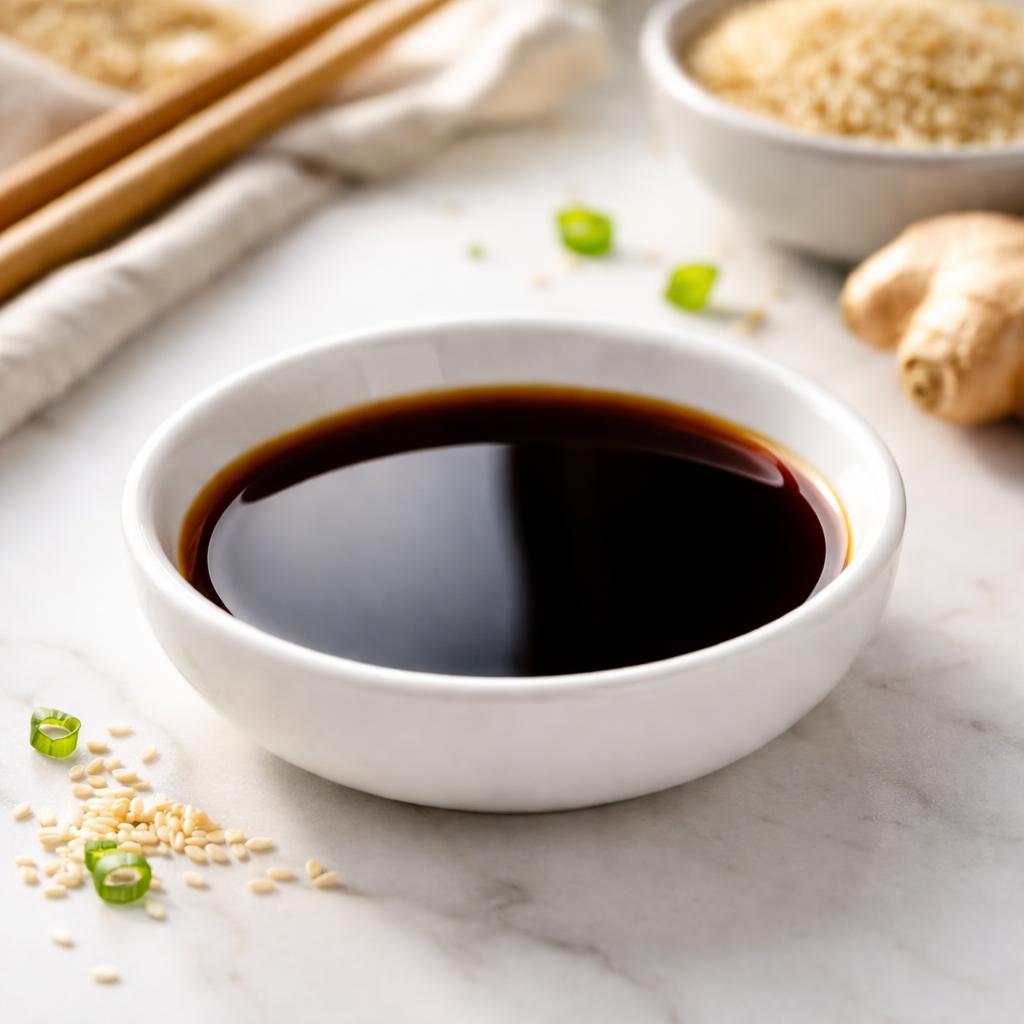
Soy Sauce
🎯 Quick Verdict
Rice and soy sauce serve very different roles in a diet. Rice is higher in calories but offers essential carbohydrates and fiber, whereas soy sauce is low-calorie and provides more protein per serving due to its concentrated nature. Rice is best suited for energy needs, while soy sauce can add flavor and protein enhancement to meals without a major caloric impact.

Smart Nutrition Tracking with SnapCalorie

📊 Nutritional Comparison
Macronutrients
| Nutrient | Food 1 | Food 2 | Winner |
|---|---|---|---|
| Calories | 206 (1 cup cooked) | 15 (1 tbsp) | ✓ |
| Protein | 4.3g | 1.3g | ✓ |
| Carbs | 44.8g | 1.0g | ✓ |
| Fat | 0.4g | 0g | ✓ |
| Fiber | 0.6g | 0g | ✓ |
Vitamins & Minerals
| Nutrient | Food 1 | Food 2 | Winner |
|---|---|---|---|
| Vitamin D | 0mcg | 0mcg | − |
| Calcium | 3mg | 4mg | ✓ |
| Iron | 0.6mg | 0.2mg | ✓ |
🏆 Category Winners
Protein
Soy sauce contains 30% more protein per tbsp compared to rice per cup.
Fiber
Rice provides fiber, while soy sauce contains none.
Calories
Soy sauce has significantly fewer calories compared to rice.
🥗 Diet Compatibility
Keto
Food 1: Not Compatible
Food 2: Compatible
Soy sauce has minimal carbs, while rice is high-carb.
Vegan
Food 1: Compatible
Food 2: Compatible
Both rice and soy sauce are plant-based.
Gluten Free
Food 1: Compatible
Food 2: Varies
Rice is naturally gluten-free, but soy sauce might contain gluten unless labeled as gluten-free.
Paleo
Food 1: Compatible
Food 2: Not Compatible
Rice aligns with paleo diets when processed minimally, while soy sauce does not.
Low-Carb
Food 1: Not Compatible
Food 2: Compatible
Rice is high-carb, while soy sauce is low-carb.
💪 Health Benefits Comparison
Food 1 Benefits
- Provides sustained energy from complex carbohydrates
- Contains small amounts of fiber for digestion
- Low fat, suitable for low-fat diets
Food 2 Benefits
- Enhances flavor without significant calories
- Provides trace amounts of protein for meal balance
- Contains certain amino acids for health benefits
✅ The Bottom Line
Choose food1 (rice) for energy needs and as a staple for hearty meals, while food2 (soy sauce) is best for adding low-calorie flavor and subtle protein to dishes. Consider their compatibility with your dietary goals (e.g., low-carb vs sustained energy).
Choose Food 1 for: Staple energy-rich meals, pairing with proteins, long-lasting fullness
Choose Food 2 for: Flavor enhancement, low-calorie needs, recipes requiring umami taste


