Rice VS Sourdough
A detailed nutritional comparison

Rice
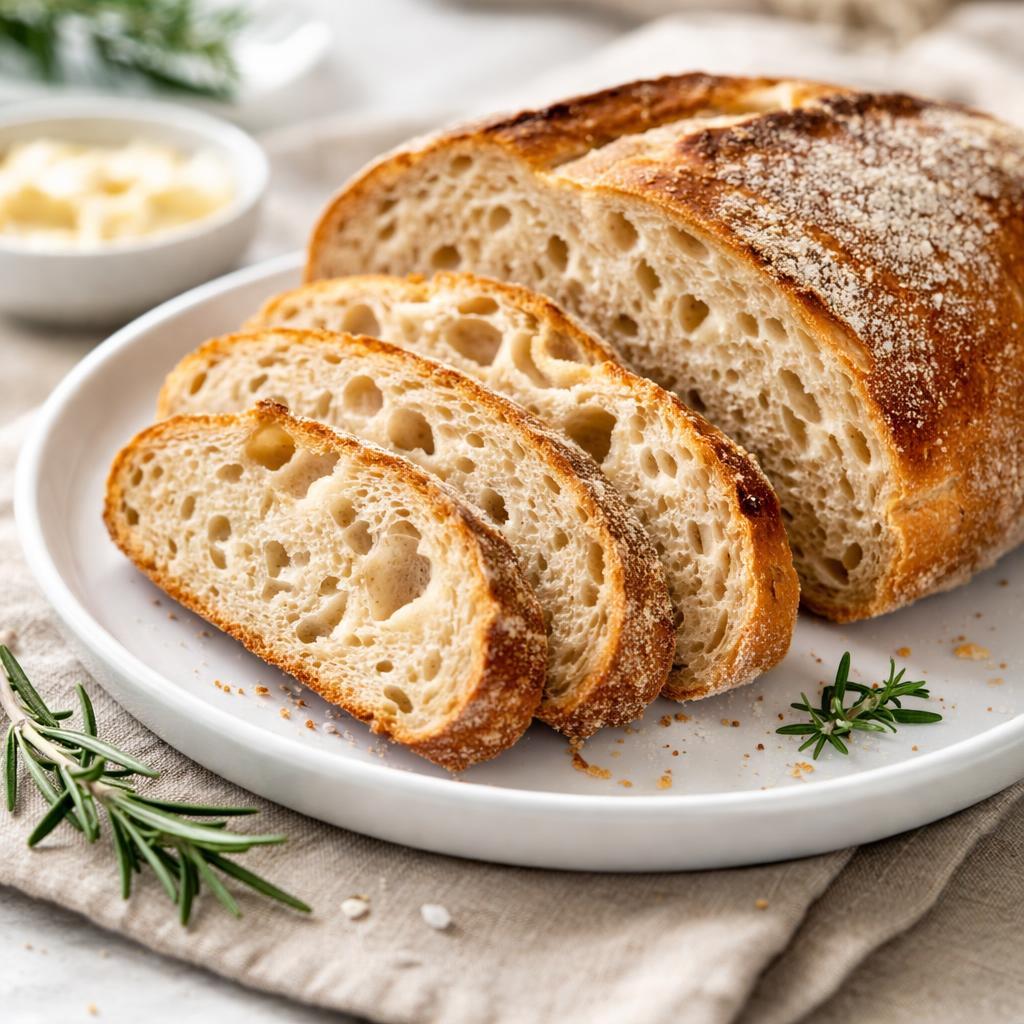
Sourdough
🎯 Quick Verdict
Sourdough offers more protein and fiber compared to rice, making it overall more nutrient-dense. Rice, however, is lower in fat and remains a good option for those needing a gentle carbohydrate source. Both are versatile but suit different dietary preferences and meal styles.

Smart Nutrition Tracking with SnapCalorie

📊 Nutritional Comparison
Macronutrients
| Nutrient | Food 1 | Food 2 | Winner |
|---|---|---|---|
| Calories | 206 per cup (cooked) | 195 per slice (medium) | − |
| Protein | 4.2g per cup | 8g per slice | ✓ |
| Carbs | 44.5g per cup | 36g per slice | ✓ |
| Fat | 0.4g per cup | 1g per slice | ✓ |
| Fiber | 0.6g per cup | 3g per slice | ✓ |
Vitamins & Minerals
| Nutrient | Food 1 | Food 2 | Winner |
|---|---|---|---|
| Vitamin B1 (Thiamin) | 0.3mg per cup | 0.15mg per slice | ✓ |
| Iron | 1.9mg per cup | 2.5mg per slice | ✓ |
| Calcium | 6mg per cup | 10mg per slice | ✓ |
🏆 Category Winners
Protein
Sourdough has nearly double the protein content per serving compared to rice.
Fiber
Sourdough offers 5x the fiber of rice per serving.
Calories
Both are comparably lower in calories.
Vitamins
Sourdough edges ahead due to higher iron and calcium content.
🥗 Diet Compatibility
Keto
Food 1: Not Compatible
Food 2: Not Compatible
Both are high-carb foods unsuitable for keto diets.
Vegan
Food 1: Compatible
Food 2: Compatible
Rice and most sourdough varieties are plant-based.
Gluten Free
Food 1: Compatible
Food 2: Not Compatible
Rice is naturally gluten-free, but sourdough contains wheat.
Paleo
Food 1: Compatible
Food 2: Not Compatible
Rice is acceptable in some paleo diets; sourdough is excluded due to grains.
Low-Carb
Food 1: Not Compatible
Food 2: Not Compatible
Both foods are relatively high in carbs.
💪 Health Benefits Comparison
Food 1 Benefits
- Provides easily digestible carbohydrates for energy
- Low fat content suitable for heart health
- Naturally gluten-free for those with intolerances
Food 2 Benefits
- Rich in protein to support muscle function
- Higher fiber content aids digestion and promotes gut health
- Contains beneficial nutrients like iron and calcium for bone and blood health
✅ The Bottom Line
Rice is ideal for individuals needing simple, hypoallergenic carbohydrates, while sourdough is better suited for those seeking a nutrient-dense, high-protein option with added fiber. Both foods are versatile in different culinary contexts.
Choose Food 1 for: Gentle carbs, gluten-free diets, low-fat meals
Choose Food 2 for: Nutrient-rich meals, gut health support, sustained energy for active lifestyles


