Rice VS Sour Cream
A detailed nutritional comparison
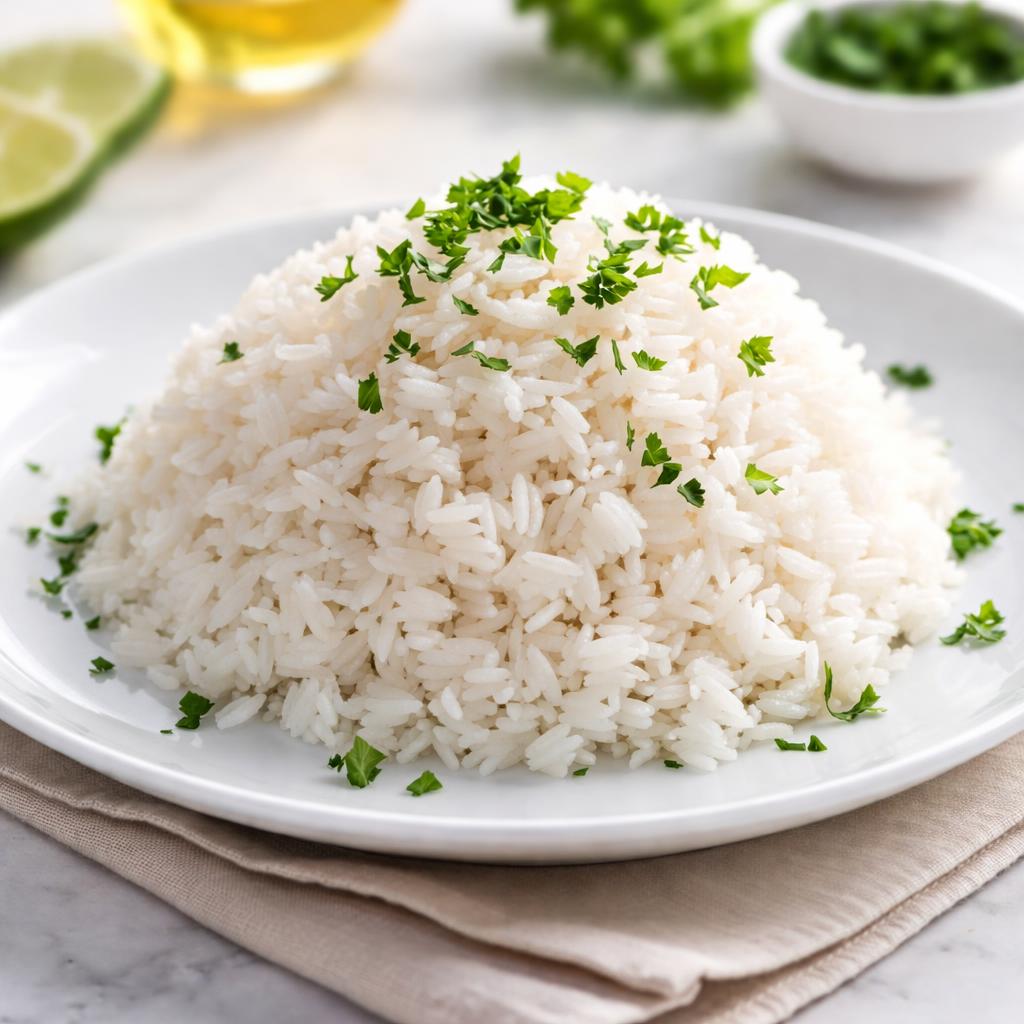
Rice
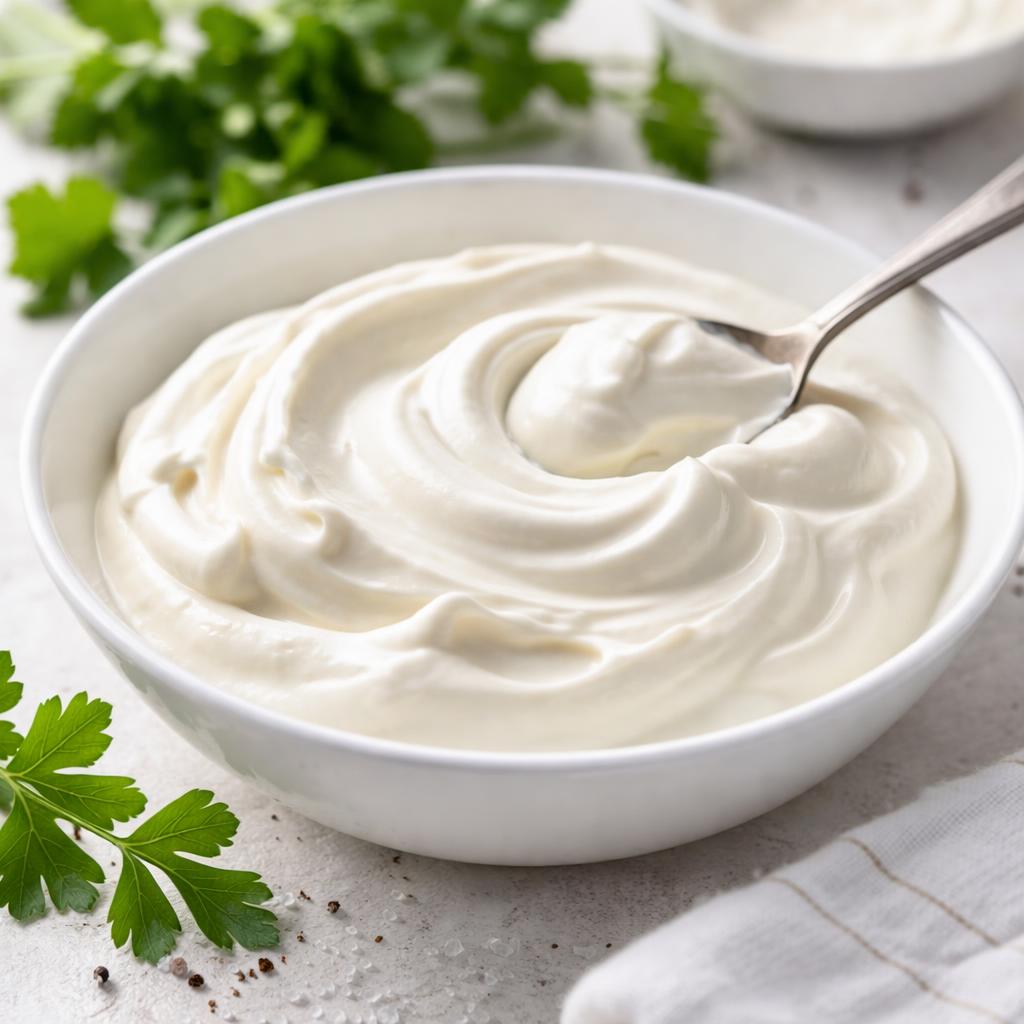
Sour Cream
🎯 Quick Verdict
Rice and sour cream serve entirely different dietary purposes. Rice is primarily a carbohydrate source, higher in fiber and ideal for energy needs, whereas sour cream is higher in fats and lower in calories per serving compared to rice. Choose rice for sustained energy and sour cream for flavor enhancement or high-fat dietary plans.

Smart Nutrition Tracking with SnapCalorie

📊 Nutritional Comparison
Macronutrients
| Nutrient | Food 1 | Food 2 | Winner |
|---|---|---|---|
| Calories | 130 | 60 | ✓ |
| Protein | 2g | 2g | − |
| Carbs | 28g | 1g | ✓ |
| Fat | 0g | 5g | ✓ |
| Fiber | 1g | 0g | ✓ |
Vitamins & Minerals
| Nutrient | Food 1 | Food 2 | Winner |
|---|---|---|---|
| Vitamin D | 0mcg | 0.2mcg | ✓ |
| Calcium | 10mg | 50mg | ✓ |
| Iron | 0.3mg | 0.1mg | ✓ |
🏆 Category Winners
Protein
Both foods contain 2g of protein per serving.
Fiber
Rice contains 1g of fiber while sour cream has none.
Calories
Sour cream has less than half the calories of rice per serving.
🥗 Diet Compatibility
Keto
Food 1: Not Compatible
Food 2: Compatible
Sour cream is high-fat and low-carb, while rice is high-carb.
Vegan
Food 1: Compatible
Food 2: Not Compatible
Rice is plant-based, but sour cream contains dairy.
Gluten Free
Food 1: Compatible
Food 2: Compatible
Neither rice nor sour cream contains gluten.
Paleo
Food 1: Not Compatible
Food 2: Not Compatible
Rice is a grain and sour cream is a processed dairy product.
Low-Carb
Food 1: Not Compatible
Food 2: Compatible
Rice is high in carbohydrates, whereas sour cream is low-carb.
💪 Health Benefits Comparison
Food 1 Benefits
- Excellent source of carbohydrates for energy
- Provides small amounts of iron for oxygen transport
- Low in sodium and heart-healthy
Food 2 Benefits
- Rich in healthy fats supportive of brain and heart health
- Contains calcium for stronger bones
- Adds flavor to enhance meals without significant caloric impact
✅ The Bottom Line
Rice and sour cream have vastly different nutritional profiles. Rice excels as a source of carbohydrates for energy during active days, while sour cream is better suited for high-fat diets or as a flavor enhancer. Choose rice when prioritizing sustained energy or fiber intake; opt for sour cream when managing calories and adding richness to dishes.
Choose Food 1 for: Energy needs, fiber intake, gluten-free diets
Choose Food 2 for: Keto diets, flavor enhancement, reducing caloric intake


