Rice VS Sodium
A detailed nutritional comparison
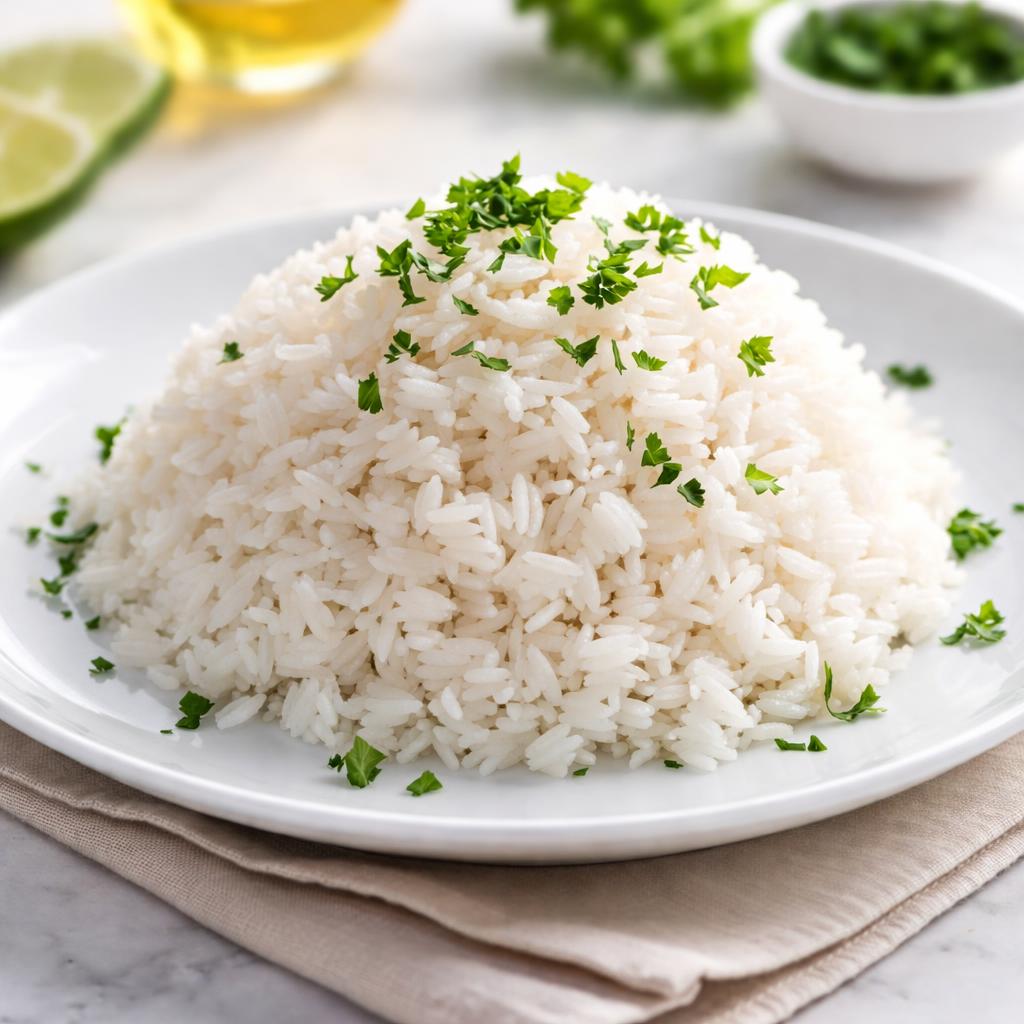
Rice
Sodium
🎯 Quick Verdict
Rice (Food1) is a carbohydrate-rich staple that provides energy, minimal protein, and digestible fiber. Sodium (Food2) is an essential mineral required in small quantities for fluid balance and nerve function, but excessive intake can raise blood pressure. Rice is ideal for fueling activities, while sodium must be consumed in moderation for health balance.

Smart Nutrition Tracking with SnapCalorie

📊 Nutritional Comparison
Macronutrients
| Nutrient | Food 1 | Food 2 | Winner |
|---|---|---|---|
| Calories | 206 per cup (cooked) | 0 | ✓ |
| Protein | 4.3g per cup (cooked) | 0g | ✓ |
| Carbs | 45g per cup (cooked) | 0g | ✓ |
| Fat | 0.4g per cup (cooked) | 0g | − |
| Fiber | 0.6g per cup (cooked) | 0g | ✓ |
Vitamins & Minerals
| Nutrient | Food 1 | Food 2 | Winner |
|---|---|---|---|
| Vitamin D | 0mcg | 0mcg | − |
| Calcium | 10mg per cup (cooked) | 0mg | ✓ |
| Iron | 0.6mg per cup (cooked) | 0mg | ✓ |
🏆 Category Winners
Protein
Rice provides 4.3g of protein per serving, compared to 0g for sodium.
Fiber
Rice offers 0.6g of fiber, while sodium has none.
Calories
Sodium has 0 calories, making it lower in calories than rice.
🥗 Diet Compatibility
Keto
Food 1: Not Compatible
Food 2: Compatible
Rice is high in carbs, while sodium contains no carbs.
Vegan
Food 1: Compatible
Food 2: Compatible
Both rice and sodium are vegan-friendly.
Gluten Free
Food 1: Compatible
Food 2: Compatible
Rice is naturally gluten-free, and sodium is purely mineral-based.
Paleo
Food 1: Compatible
Food 2: Compatible
Both fit within paleo guidelines.
Low Carb
Food 1: Not Compatible
Food 2: Compatible
Rice is carb-heavy, unsuitable for low-carb diets, while sodium contains no carbs.
💪 Health Benefits Comparison
Food 1 Benefits
- Provides energy for physical activity
- Serves as a gentle food for digestion
- Gluten-free and hypoallergenic
Food 2 Benefits
- Helps regulate fluid balance in the body
- Essential for nerve transmission and muscle contractions
- Aids digestion when consumed in small amounts
✅ The Bottom Line
Rice (Food1) is an energy-dense staple food best for fueling physical activities and suitable for gluten-free diets. Sodium (Food2) is an essential mineral that should be consumed judiciously for fluid balance and bodily functions. Pair rice with low-sodium dishes to balance nutritional needs.
Choose Food 1 for: Energy replenishment, gluten-free diets, meal staples
Choose Food 2 for: Electrolyte replacement, seasoning food, maintaining fluid balance


