Rice VS Snack
A detailed nutritional comparison
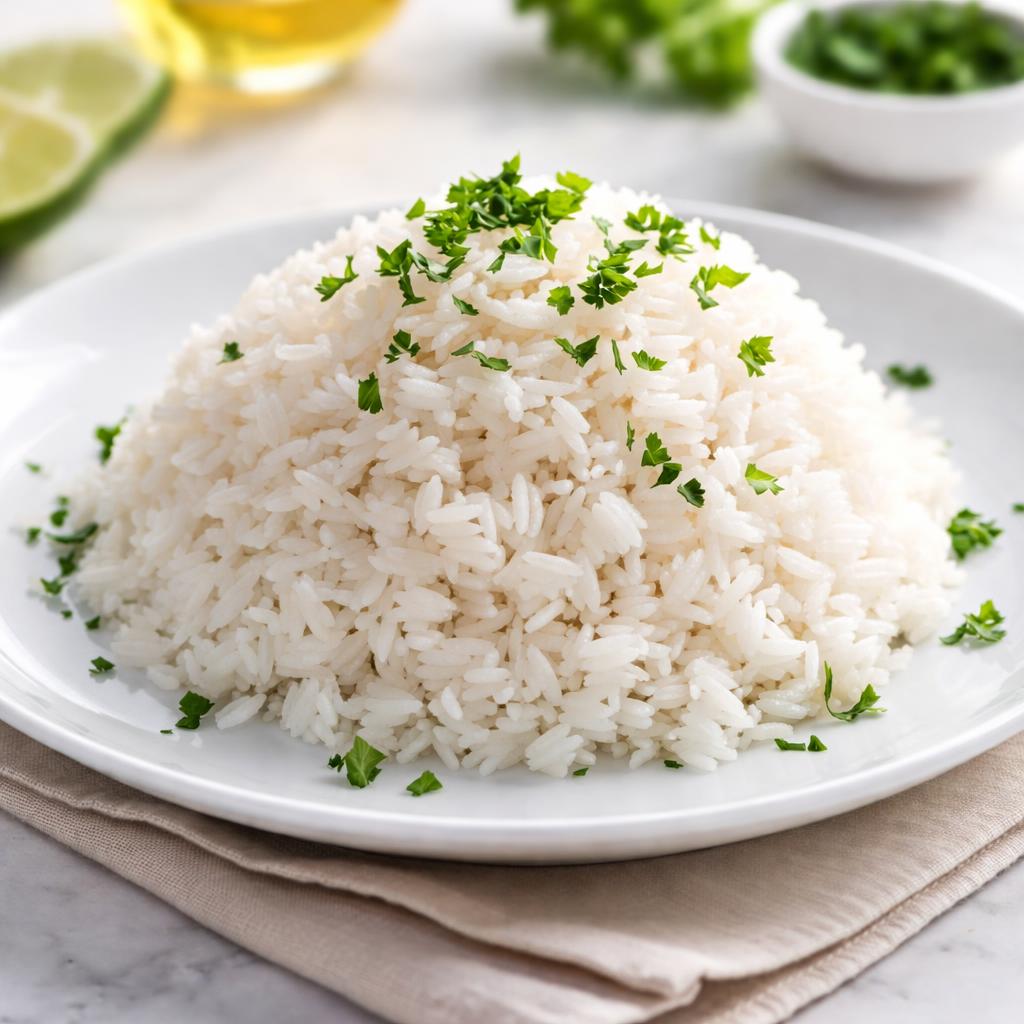
Rice
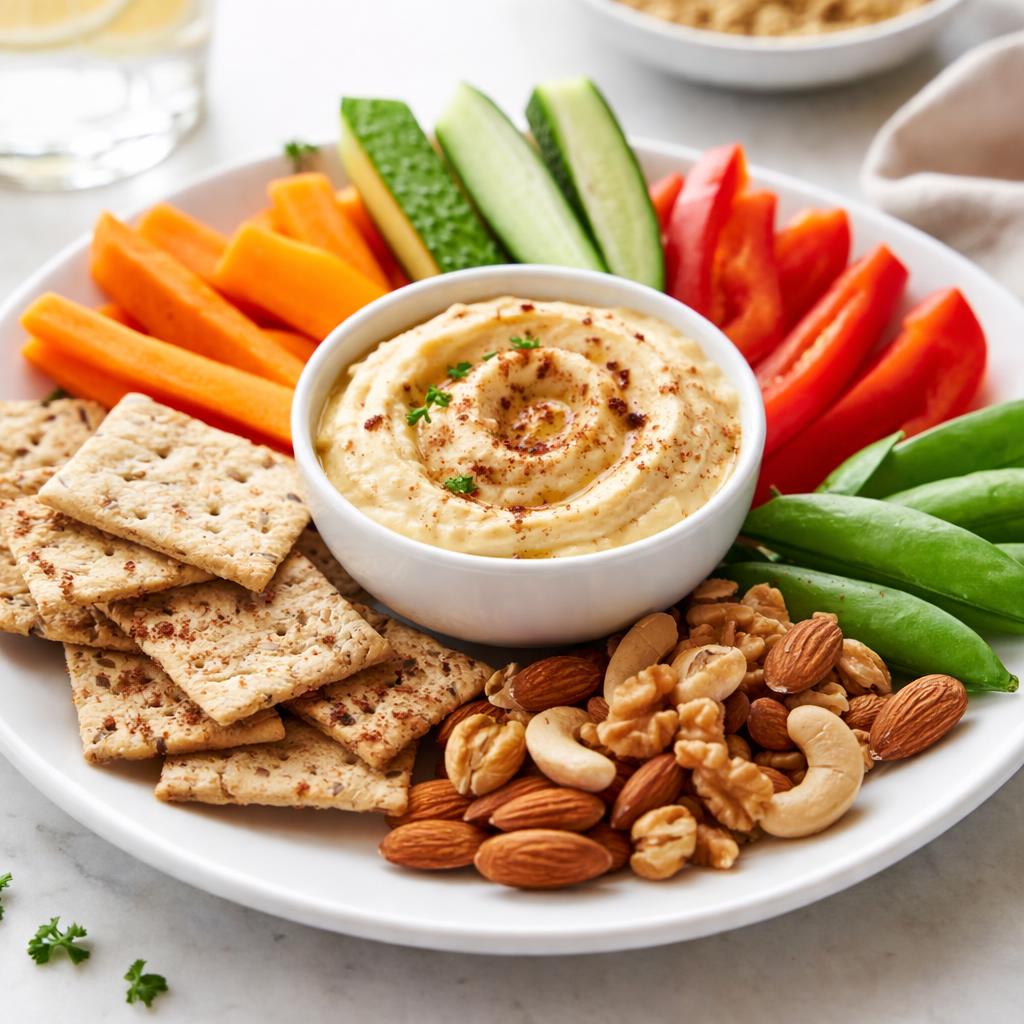
Snack
🎯 Quick Verdict
Rice is a staple carbohydrate source, low in protein and fiber but versatile for meals. Snack foods are often nutrient-dense, offering higher protein and fiber content but typically more calories and fats. Choose rice for simple energy or snacks for balanced nutrients and satiety on the go.

Smart Nutrition Tracking with SnapCalorie

📊 Nutritional Comparison
Macronutrients
| Nutrient | Food 1 | Food 2 | Winner |
|---|---|---|---|
| Calories | 130 | 200 | ✓ |
| Protein | 2.5g | 7g | ✓ |
| Carbs | 28g | 15g | ✓ |
| Fat | 0.3g | 10g | ✓ |
| Fiber | 0.5g | 4g | ✓ |
Vitamins & Minerals
| Nutrient | Food 1 | Food 2 | Winner |
|---|---|---|---|
| Vitamin D | 0mcg | 2mcg | ✓ |
| Calcium | 10mg | 50mg | ✓ |
| Iron | 0.2mg | 2mg | ✓ |
🏆 Category Winners
Protein
Food2 contains nearly 3x the protein per serving.
Fiber
Food2 offers 8x the fiber of rice.
Calories
Rice is lower in calories per serving compared to snack foods.
🥗 Diet Compatibility
Keto
Food 1: Not Compatible
Food 2: Partially Compatible
Rice is high-carb; snacks may have low-carb options depending on their composition.
Vegan
Food 1: Compatible
Food 2: Compatible
Both foods are plant-based or can have vegan versions.
Gluten Free
Food 1: Compatible
Food 2: Varies
Rice is naturally gluten-free; snacks depend on their ingredients and processing.
Paleo
Food 1: Compatible
Food 2: Varies
Rice fits some paleo diets; snacks need to be checked for additives.
Low-Carb
Food 1: Not Compatible
Food 2: Partially Compatible
Rice is carb-heavy; most snacks are moderate depending on the type.
💪 Health Benefits Comparison
Food 1 Benefits
- Provides quick energy from carbohydrates
- Low in fat for weight-conscious diets
- Versatile for meals and easy to digest
Food 2 Benefits
- Higher protein content helps with muscle maintenance
- Rich in fiber for improved digestion
- Often contains vitamins and minerals like calcium and iron
✅ The Bottom Line
Rice is great for carb loading and simple meals, ideal for individuals needing quick energy or seeking traditional staples. Snacks are better for balanced nutrition, providing protein and fiber for satiety, ideal for active lifestyles or nutrient-dense options.
Choose Food 1 for: Weight maintenance, carb loading, easy digestion
Choose Food 2 for: Active lifestyles, nutrient density, convenient on-the-go nutrition


