Rice VS Slow-Cooked Chicken Breast
A detailed nutritional comparison
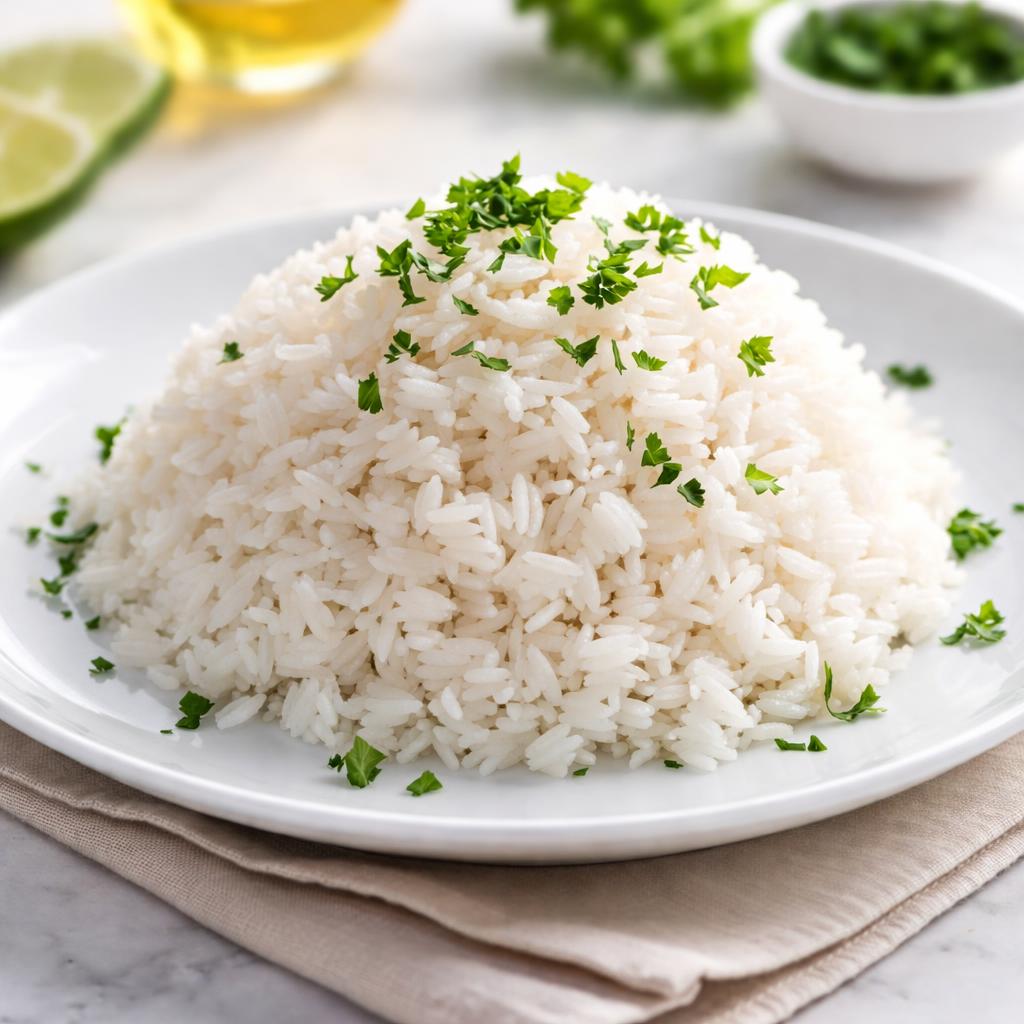
Rice
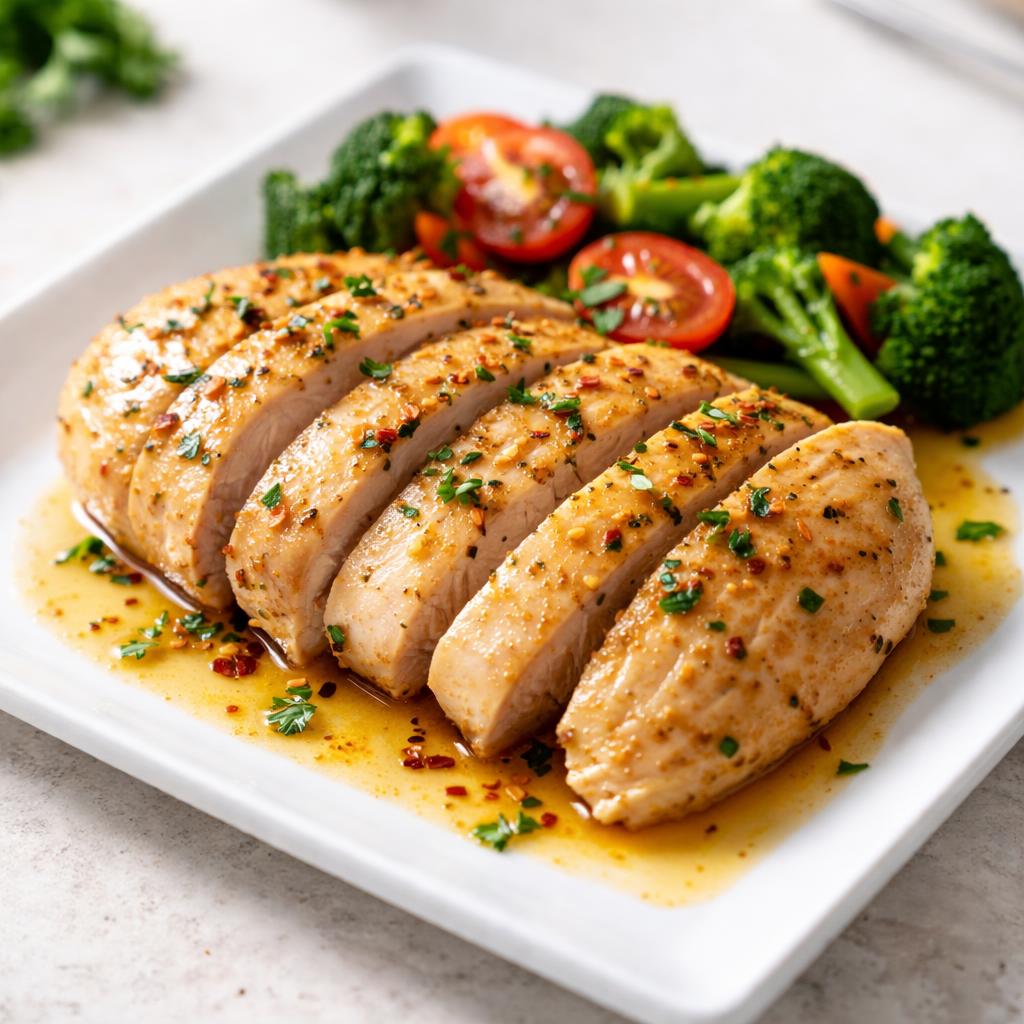
Slow-Cooked Chicken Breast
🎯 Quick Verdict
Chicken breast is a better source of lean protein with far higher protein content. Rice, on the other hand, provides more carbohydrates and fiber, making it ideal for energy and digestion. Chicken breast is better for low-carb, high-protein diets, while rice is better for sustained energy or plant-based eating plans.

Smart Nutrition Tracking with SnapCalorie

📊 Nutritional Comparison
Macronutrients
| Nutrient | Food 1 | Food 2 | Winner |
|---|---|---|---|
| Calories | 200 | 165 | − |
| Protein | 4g | 31g | ✓ |
| Carbs | 45g | 0g | ✓ |
| Fat | 0.4g | 3.6g | ✓ |
| Fiber | 0.6g | 0g | ✓ |
Vitamins & Minerals
| Nutrient | Food 1 | Food 2 | Winner |
|---|---|---|---|
| Vitamin D | 0mcg | 1mcg | ✓ |
| Calcium | 10mg | 13mg | ✓ |
| Iron | 0.8mg | 0.9mg | ✓ |
🏆 Category Winners
Protein
Chicken breast contains 31g of protein compared to 4g in rice.
Fiber
Rice has 0.6g of fiber, while chicken breast has none.
Calories
Both foods are calorie-dense with rice and chicken breast providing roughly similar amounts per serving.
Vitamins
Chicken breast contains slightly more vitamin D, calcium, and iron than rice.
🥗 Diet Compatibility
Keto
Food 1: Not Compatible
Food 2: Compatible
Chicken breast is low-carb, making it keto-friendly, unlike rice which is high in carbs.
Vegan
Food 1: Compatible
Food 2: Not Compatible
Rice is plant-based, but chicken breast is animal-based.
Gluten Free
Food 1: Compatible
Food 2: Compatible
Both rice and chicken breast are naturally gluten-free.
Paleo
Food 1: Not Compatible
Food 2: Compatible
Rice is excluded from paleo diets, while chicken breast fits within paleo principles.
Low Carb
Food 1: Not Compatible
Food 2: Compatible
Chicken breast has 0 carbs, making it suitable for low-carb diets, while rice is carb-heavy.
💪 Health Benefits Comparison
Food 1 Benefits
- Provides sustained energy due to high carbohydrate content
- Low in fat, ideal for calorie-conscious diets
- Boosts digestion with a small amount of fiber
Food 2 Benefits
- High protein content supports muscle maintenance and post-workout recovery
- Low-carb and keto-friendly, aiding weight control and fat loss
- Contains essential vitamins like D, iron, and calcium for bone and immune health
✅ The Bottom Line
Choose chicken breast for high-protein needs and low-carb or keto diets. Opt for rice when looking for a quick source of energy or integrating plant-based meals. Chicken breast supports muscle gain and fat loss, while rice is suitable for fueling endurance activities or balanced meals.
Choose Food 1 for: Energy boost, vegan diets, carb-loading
Choose Food 2 for: Low-carb diets, muscle building, post-workout recovery


