Rice VS Shirataki Rice
A detailed nutritional comparison
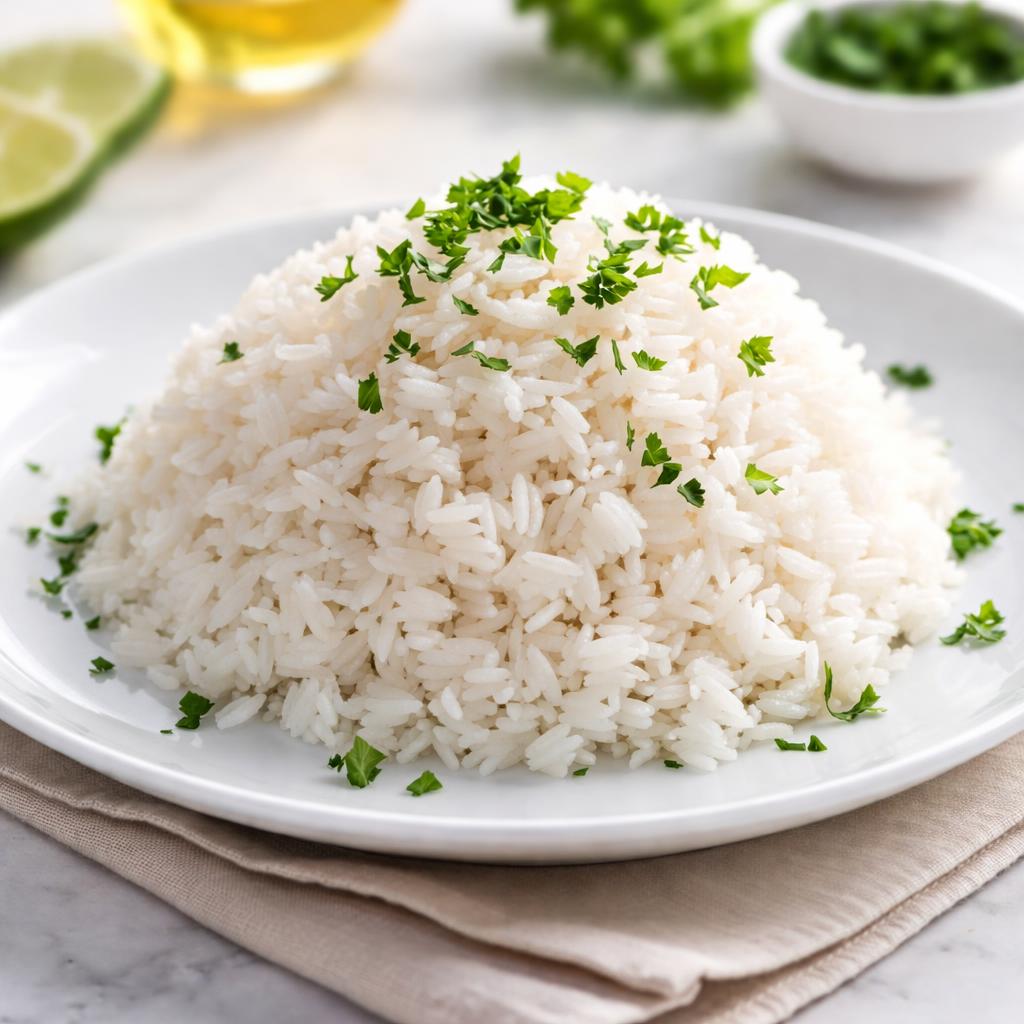
Rice
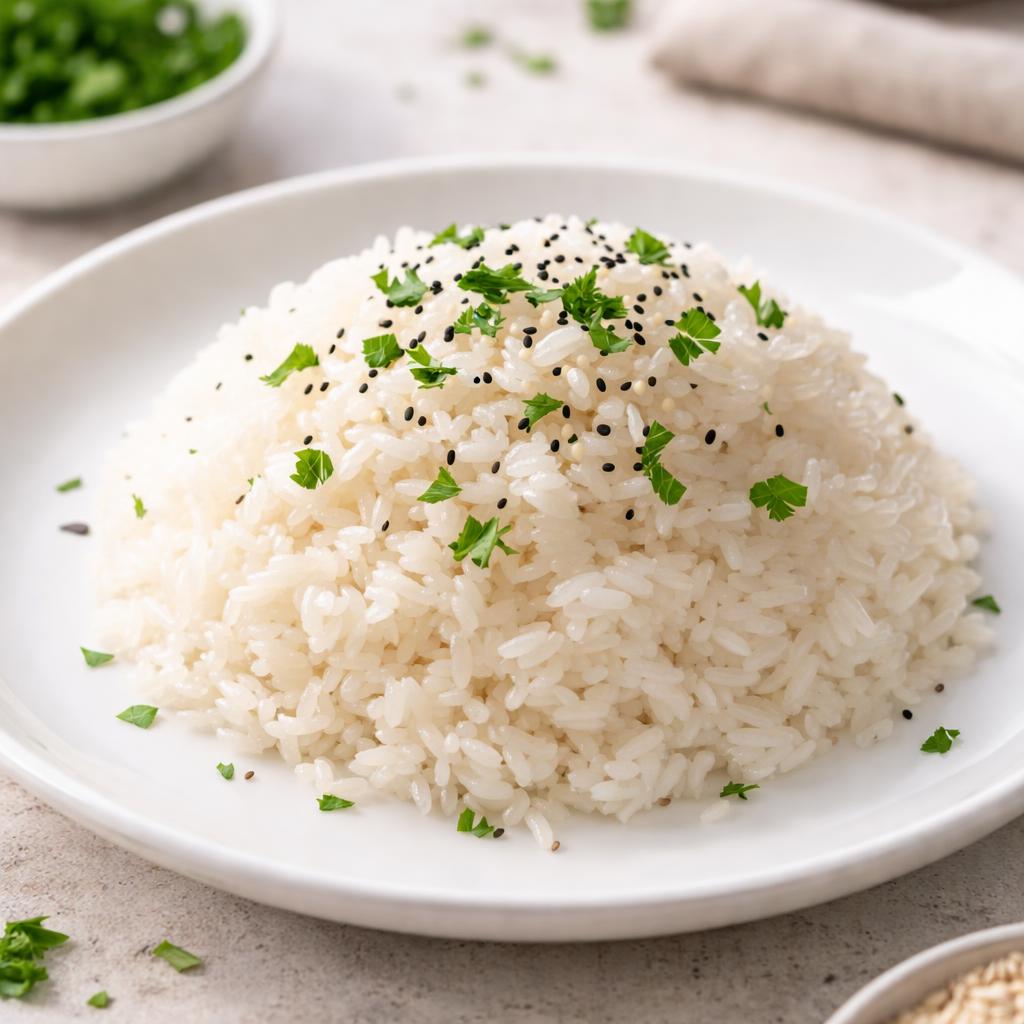
Shirataki Rice
🎯 Quick Verdict
Shirataki rice significantly outperforms regular rice in terms of calories and fiber, containing almost no calories and up to five times more fiber. Regular rice provides more energy and is a better option for fueling workouts or active lifestyles, while shirataki rice is ideal for weight management and low-carb diets due to its negligible carb and calorie content.

Smart Nutrition Tracking with SnapCalorie

📊 Nutritional Comparison
Macronutrients
| Nutrient | Food 1 | Food 2 | Winner |
|---|---|---|---|
| Calories | 130 | 10 | ✓ |
| Protein | 2.5g | 0.2g | − |
| Carbs | 28g | 3g | ✓ |
| Fat | 0.5g | 0g | ✓ |
| Fiber | 0.4g | 2g | ✓ |
Vitamins & Minerals
| Nutrient | Food 1 | Food 2 | Winner |
|---|---|---|---|
| Vitamin D | 0mcg | 0mcg | − |
| Calcium | 10mg | 20mg | ✓ |
| Iron | 0.3mg | 0.4mg | ✓ |
🏆 Category Winners
Protein
Both foods have very low protein content and are not significant sources of protein.
Fiber
Shirataki rice offers 400% more fiber compared to regular rice.
Calories
Shirataki rice has approximately 92% fewer calories, making it ideal for calorie-conscious individuals.
🥗 Diet Compatibility
Keto
Food 1: Not Compatible
Food 2: Compatible
Shirataki rice is very low-carb, while regular rice is high in carbs.
Vegan
Food 1: Compatible
Food 2: Compatible
Both are plant-based foods suitable for a vegan diet.
Gluten Free
Food 1: Compatible
Food 2: Compatible
Neither contains gluten.
Paleo
Food 1: Not Compatible
Food 2: Compatible
Shirataki rice aligns with the paleo diet due to its natural, low-carb properties, while regular rice is considered a grain not permitted in paleo diets.
Low-Carb
Food 1: Not Compatible
Food 2: Compatible
Regular rice is high in carbohydrates, making it unsuitable for low-carb diets, unlike shirataki rice which is extremely low-carb.
💪 Health Benefits Comparison
Food 1 Benefits
- Good source of quick energy from carbohydrates
- Provides a small amount of iron and B vitamins
- Easy-to-digest and fuel for active lifestyles
Food 2 Benefits
- Rich in dietary fiber to support digestion
- Almost calorie-free, aiding weight loss efforts
- Low-carb option suitable for managing blood sugar levels
✅ The Bottom Line
If you're looking to manage weight, control blood sugar, or follow a low-carb lifestyle, shirataki rice is the superior choice due to its negligible calorie and carb content. On the other hand, regular rice is a more suitable option for individuals needing energy for active lifestyles or workouts.
Choose Food 1 for: Active lifestyles, high-energy diets, meal prep for sports
Choose Food 2 for: Weight loss, keto diets, blood sugar management


