Rice VS Shawarma
A detailed nutritional comparison
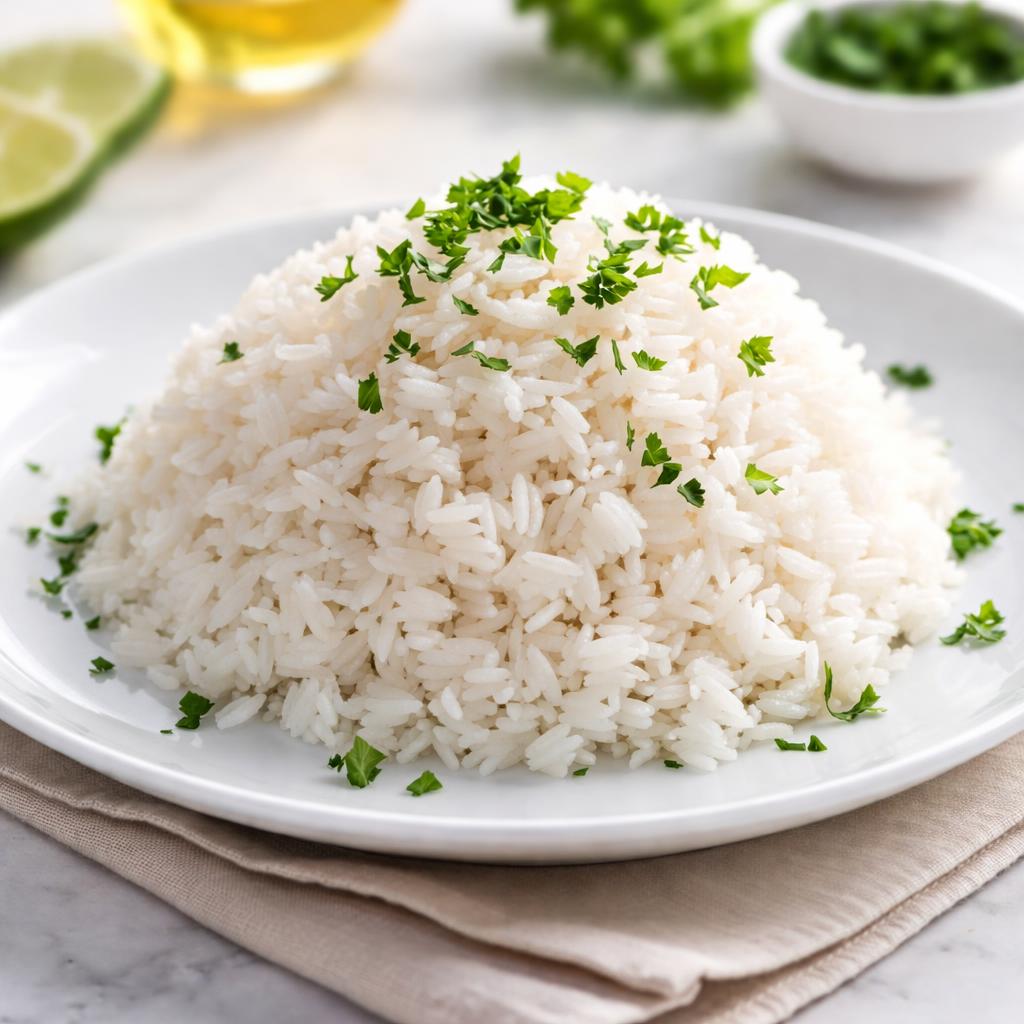
Rice
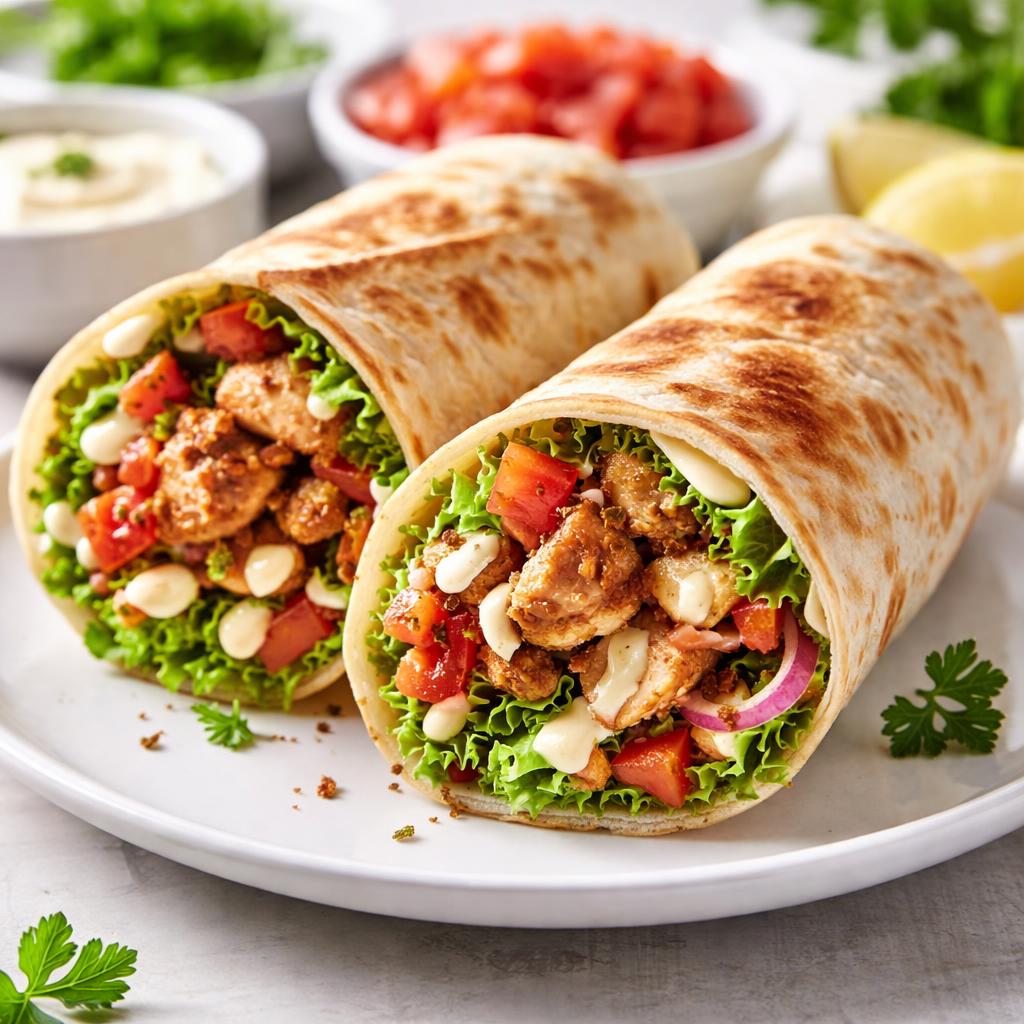
Shawarma
🎯 Quick Verdict
Rice is a lower-calorie, low-protein food with minimal fiber, making it a good choice for energy-focused meals that require carbohydrates. Shawarma, on the other hand, is higher in protein and fiber due to its meat and vegetable components, making it a more nutritionally dense option for balanced meals. Rice fits best as a side dish; shawarma can be a more complete and filling main course option.

Smart Nutrition Tracking with SnapCalorie

📊 Nutritional Comparison
Macronutrients
| Nutrient | Food 1 | Food 2 | Winner |
|---|---|---|---|
| Calories | 206 kcal (per cup, cooked) | 400 kcal (per serving) | ✓ |
| Protein | 4.3g | 25g | ✓ |
| Carbs | 44g | 30g | ✓ |
| Fat | 0.5g | 15g | ✓ |
| Fiber | 0.6g | 3g | ✓ |
Vitamins & Minerals
| Nutrient | Food 1 | Food 2 | Winner |
|---|---|---|---|
| Vitamin D | 0mcg | 0.5mcg | ✓ |
| Calcium | 20mg | 40mg | ✓ |
| Iron | 0.4mg | 2mg | ✓ |
🏆 Category Winners
Protein
Food2 (shawarma) contains roughly six times more protein compared to rice.
Fiber
Food2 offers 3g of fiber per serving versus 0.6g for rice.
Calories
Food1 (rice) is lower in calories and best for calorie-controlled diets.
🥗 Diet Compatibility
Keto
Food 1: Not Compatible
Food 2: Moderately Compatible
Food1 is high in carbohydrates, whereas food2 has moderate carbs but includes protein and fat.
Vegan
Food 1: Compatible
Food 2: Not Compatible
Rice is plant-based, but shawarma typically contains animal-based ingredients.
Gluten Free
Food 1: Compatible
Food 2: Depends
Food1 is naturally gluten-free. Food2 may contain gluten depending on wraps or marinades used.
Paleo
Food 1: Not Compatible
Food 2: Compatible
Rice is excluded in paleo diets, whereas shawarma meets carnivore-friendly requirements.
Low Carb
Food 1: Not Compatible
Food 2: Moderately Compatible
Rice is high in carbs, while shawarma falls within lower-carb boundaries due to its protein-fat balance.
💪 Health Benefits Comparison
Food 1 Benefits
- Provides quick energy due to high carbohydrate content
- Easy to digest and ideal for sensitive stomachs
- Gluten-free, suitable for individuals with gluten intolerance
Food 2 Benefits
- High protein content supports muscle building and repair
- Contains healthy fats that promote satiety and cardiovascular health
- Rich in iron, aiding in oxygen transport and energy production
- Vegetable components in shawarma provide antioxidants and fiber
✅ The Bottom Line
Choose rice for light, energy-rich side dishes or when calorie control is a priority. Shawarma excels as a protein-dense, balanced main dish that offers satiety and variety for active or nutrient-focused diets. Consider your dietary needs (e.g., vegan, gluten-free) when deciding between the two.
Choose Food 1 for: Light meals, energy-focused diets, gluten-free side dishes
Choose Food 2 for: Active lifestyles, balanced meals, protein-rich diets


