Rice VS Seafood
A detailed nutritional comparison
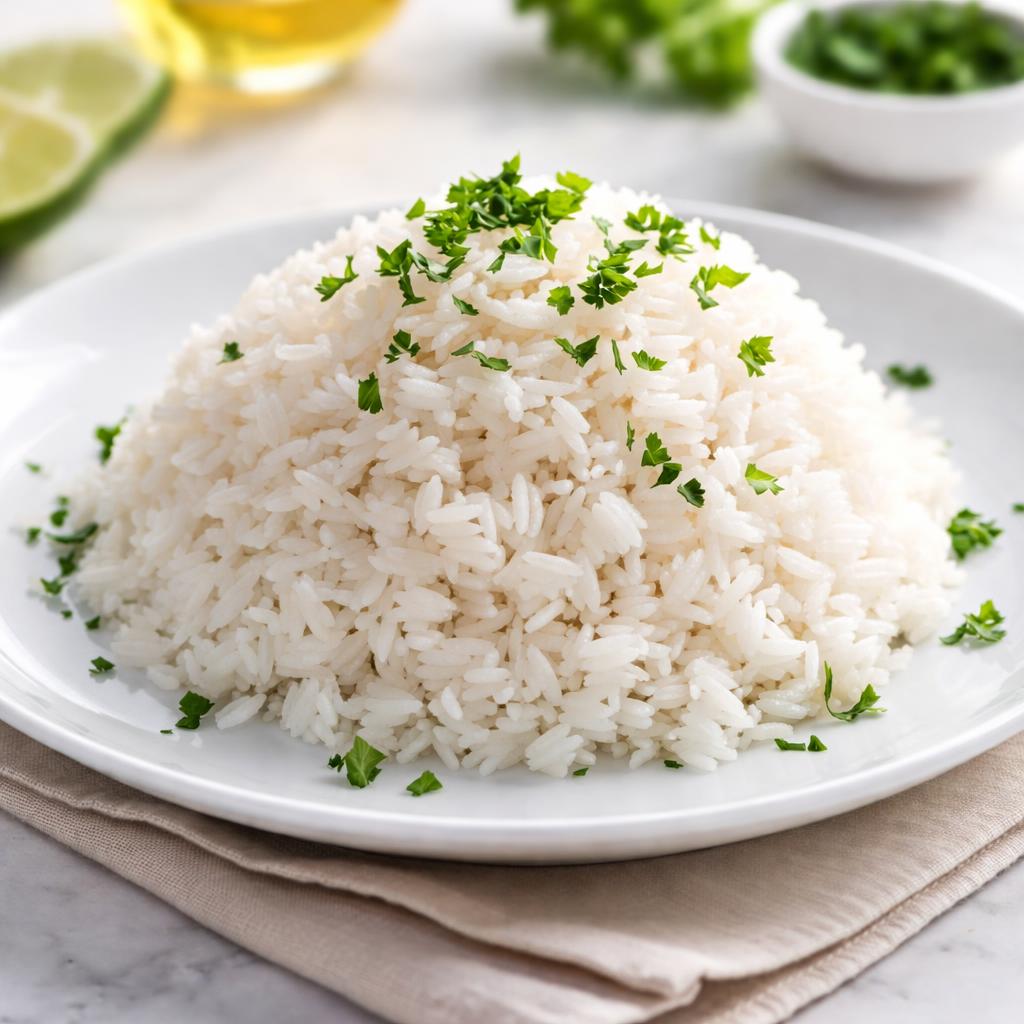
Rice
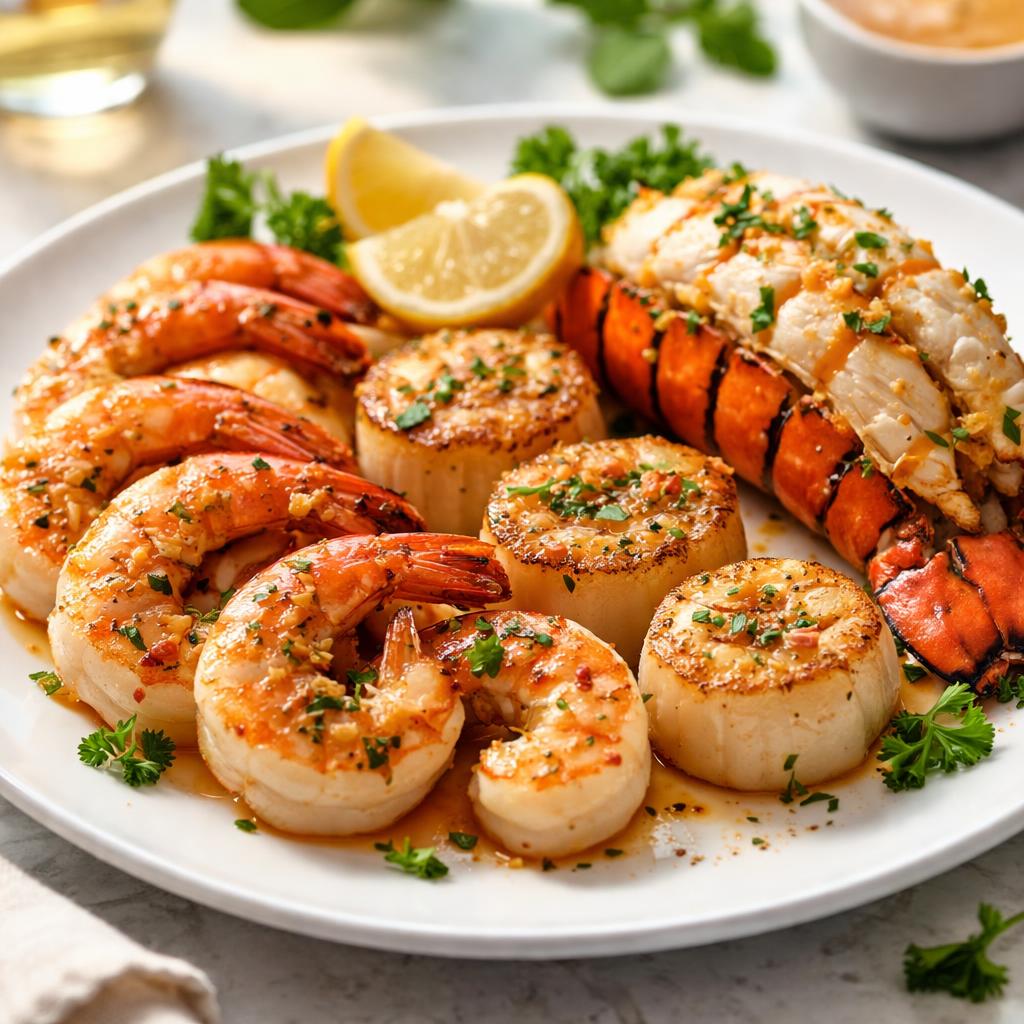
Seafood
🎯 Quick Verdict
Seafood is significantly higher in protein and lower in calories, making it ideal for muscle gain and weight management. Rice, however, is a good source of energy and provides more fiber, making it beneficial for digestion and sustained energy levels, especially for plant-based diets. Both have complementary roles depending on dietary goals.

Smart Nutrition Tracking with SnapCalorie

📊 Nutritional Comparison
Macronutrients
| Nutrient | Food 1 | Food 2 | Winner |
|---|---|---|---|
| Calories | 206 | 100 | ✓ |
| Protein | 4.3g | 20g | ✓ |
| Carbs | 45g | 0g | ✓ |
| Fat | 0.4g | 2g | ✓ |
| Fiber | 1g | 0g | ✓ |
Vitamins & Minerals
| Nutrient | Food 1 | Food 2 | Winner |
|---|---|---|---|
| Vitamin D | 0mcg | 5mcg | ✓ |
| Calcium | 10mg | 60mg | ✓ |
| Iron | 1.9mg | 0.5mg | ✓ |
🏆 Category Winners
Protein
Seafood contains nearly 5x more protein than rice.
Fiber
Rice contains fiber, whereas seafood does not.
Calories
Seafood has less than half the calories per serving compared to rice.
Vitamins
Seafood is rich in Vitamin D and calcium, vital for bone health.
🥗 Diet Compatibility
Keto
Food 1: Not Compatible
Food 2: Compatible
Seafood is carb-free, while rice is high-carb.
Vegan
Food 1: Compatible
Food 2: Not Compatible
Rice is plant-based, while seafood is animal-derived.
Gluten Free
Food 1: Compatible
Food 2: Compatible
Neither food contains gluten.
Paleo
Food 1: Not Compatible
Food 2: Compatible
Seafood fits into the Paleolithic diet, whereas rice is not included.
Low-Carb
Food 1: Not Compatible
Food 2: Compatible
Seafood is naturally low-carb, while rice is carb-rich.
💪 Health Benefits Comparison
Food 1 Benefits
- Provides quick, accessible energy from carbohydrates
- Contains small amounts of fiber beneficial for digestion
- Offers iron that supports oxygen transport in the body
Food 2 Benefits
- High in lean protein for muscle repair and maintenance
- Rich in omega-3 fatty acids to support heart and brain health
- Provides essential Vitamin D for bone health and immune function
✅ The Bottom Line
Seafood is the clear winner for high-protein diets, weight management, and low-carb or paleo lifestyles due to its high protein and nutrient density. Rice, however, is a better option for energy needs, vegan diets, or a fiber boost. Depending on dietary needs, these foods can be combined for balanced nutrition.
Choose Food 1 for: Energy boost, vegan diets, affordable large meal prep
Choose Food 2 for: Protein-rich meals, weight loss, brain and heart health


