Rice VS Salsa Verde
A detailed nutritional comparison
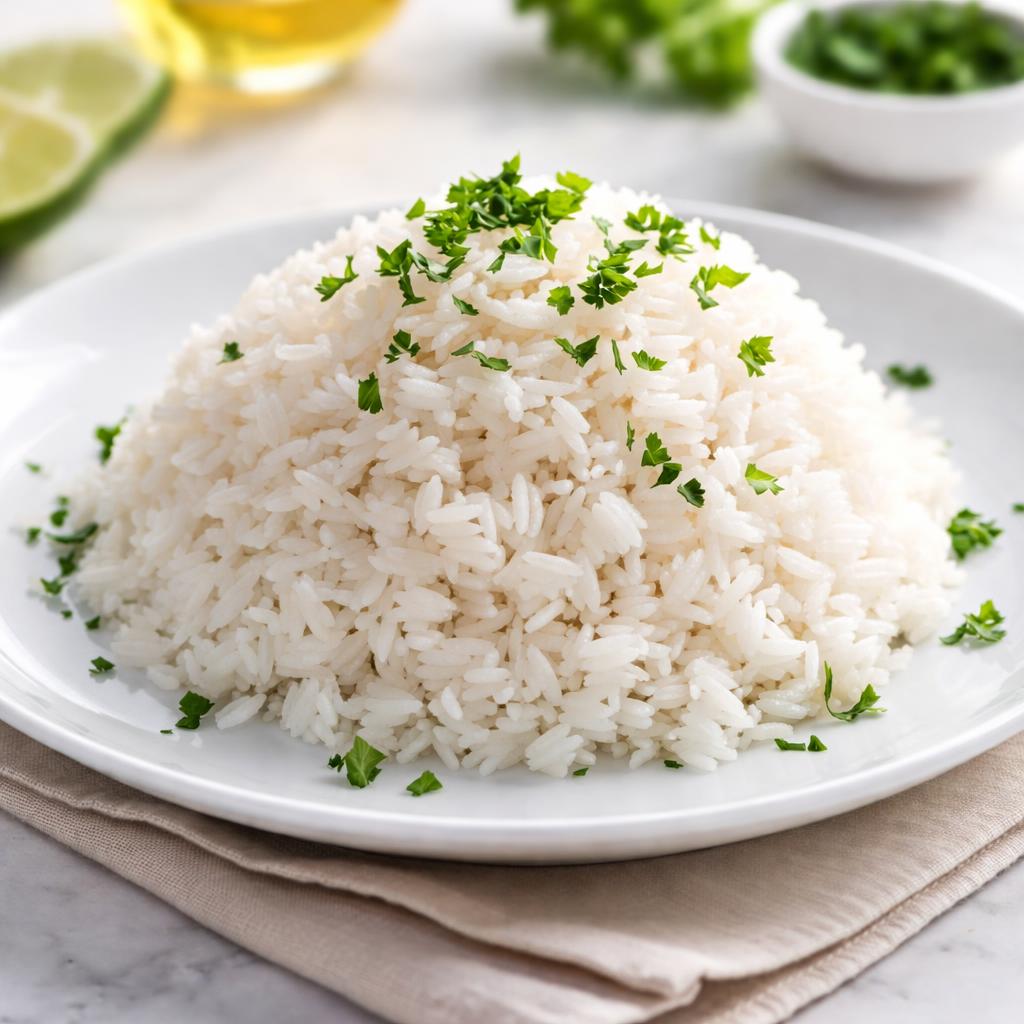
Rice
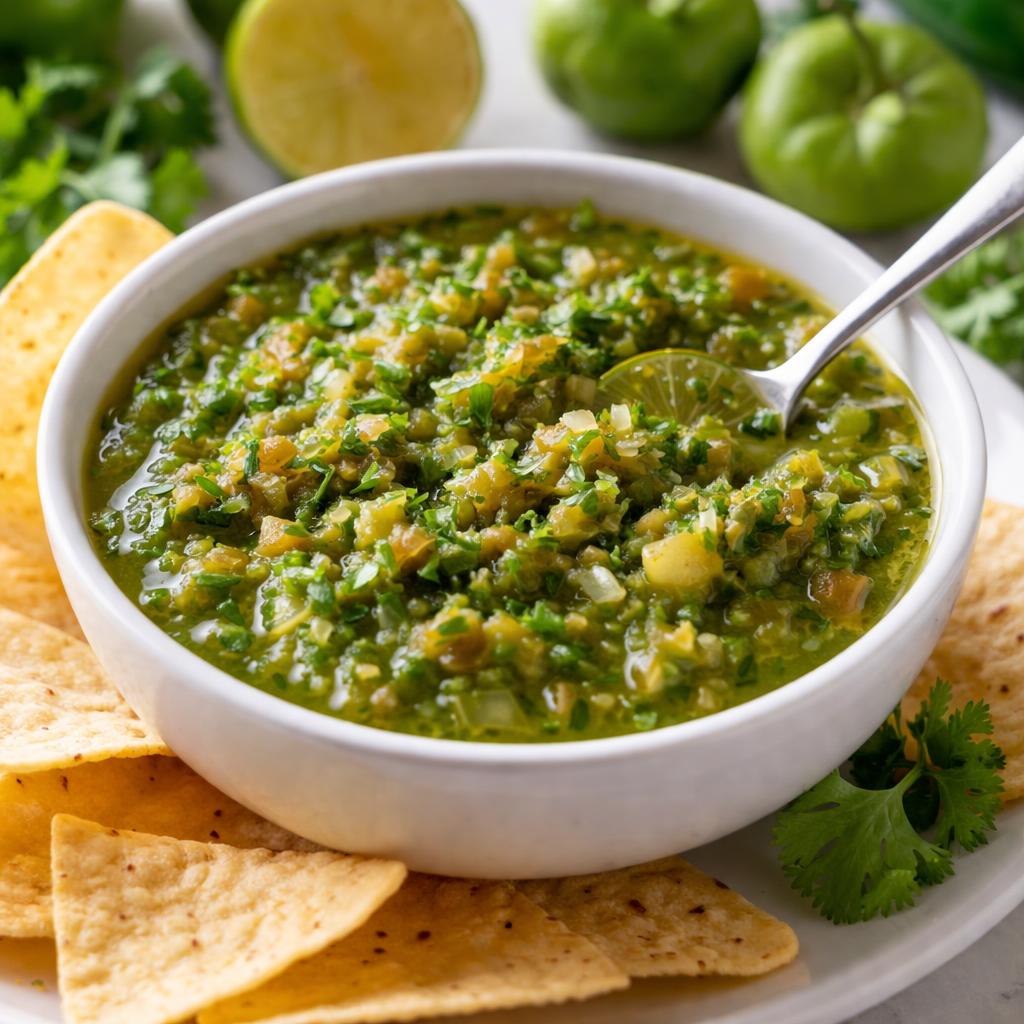
Salsa Verde
🎯 Quick Verdict
Rice and salsa verde serve very different dietary roles. Rice is higher in carbs and calories but provides moderate protein, making it a staple for energy and balanced meals. Salsa verde is extremely low in calories and carbs, with more fiber and potential vitamins, ideal as a flavorful, nutrient-dense condiment for various diets.

Smart Nutrition Tracking with SnapCalorie

📊 Nutritional Comparison
Macronutrients
| Nutrient | Food 1 | Food 2 | Winner |
|---|---|---|---|
| Calories | 206 | 50 | ✓ |
| Protein | 4.25g | 1g | ✓ |
| Carbs | 44.8g | 8g | ✓ |
| Fat | 0.44g | 0.5g | − |
| Fiber | 0.5g | 2g | ✓ |
Vitamins & Minerals
| Nutrient | Food 1 | Food 2 | Winner |
|---|---|---|---|
| Vitamin C | 0mg | 12mg | ✓ |
| Vitamin A | 0IU | 450IU | ✓ |
| Iron | 1.6mg | 0.7mg | ✓ |
| Potassium | 55mg | 89mg | ✓ |
🏆 Category Winners
Protein
Rice provides over four times more protein per serving compared to salsa verde.
Fiber
Salsa verde contains four times more fiber per serving.
Calories
Salsa verde is significantly lower in calories, with less than a quarter of rice's caloric content.
Vitamins
Salsa verde is richer in vitamins like Vitamin C and Vitamin A compared to rice, which has negligible amounts.
🥗 Diet Compatibility
Keto
Food 1: Not Compatible
Food 2: Compatible
Salsa verde is low-carb, while rice is high in carbohydrates.
Vegan
Food 1: Compatible
Food 2: Compatible
Both foods are plant-based and suitable for vegan diets.
Gluten Free
Food 1: Compatible
Food 2: Compatible
Both foods are naturally gluten-free.
Paleo
Food 1: Not Compatible
Food 2: Compatible
Rice is excluded from paleo diets, but salsa verde fits in due to its natural ingredients.
Low Carb
Food 1: Not Compatible
Food 2: Compatible
Salsa verde is low-carb, making it suitable for low-carb diets, while rice is high in carbohydrates.
💪 Health Benefits Comparison
Food 1 Benefits
- Provides long-lasting energy due to its carbohydrate content
- Low in fat, making it heart-healthy
- Supplies iron for oxygen transport and energy metabolism
Food 2 Benefits
- Rich in antioxidants like Vitamin C for immune support
- Contains dietary fiber for improved digestion
- Low-calorie food that helps with weight management
- Provides Vitamin A for eye health
✅ The Bottom Line
Rice is best for meals requiring a filling carbohydrate base, especially for active individuals needing prolonged energy. Salsa verde excels as a nutrient-dense, low-calorie condiment, ideal for adding flavor without compromising dietary goals. Choose rice for energy or salsa verde for nutrient-density and flavor.
Choose Food 1 for: Energy-heavy meals, athletes, balanced diets
Choose Food 2 for: Low-calorie diets, adding nutrients to dishes, weight loss


