Rice VS Salmon Sashimi
A detailed nutritional comparison
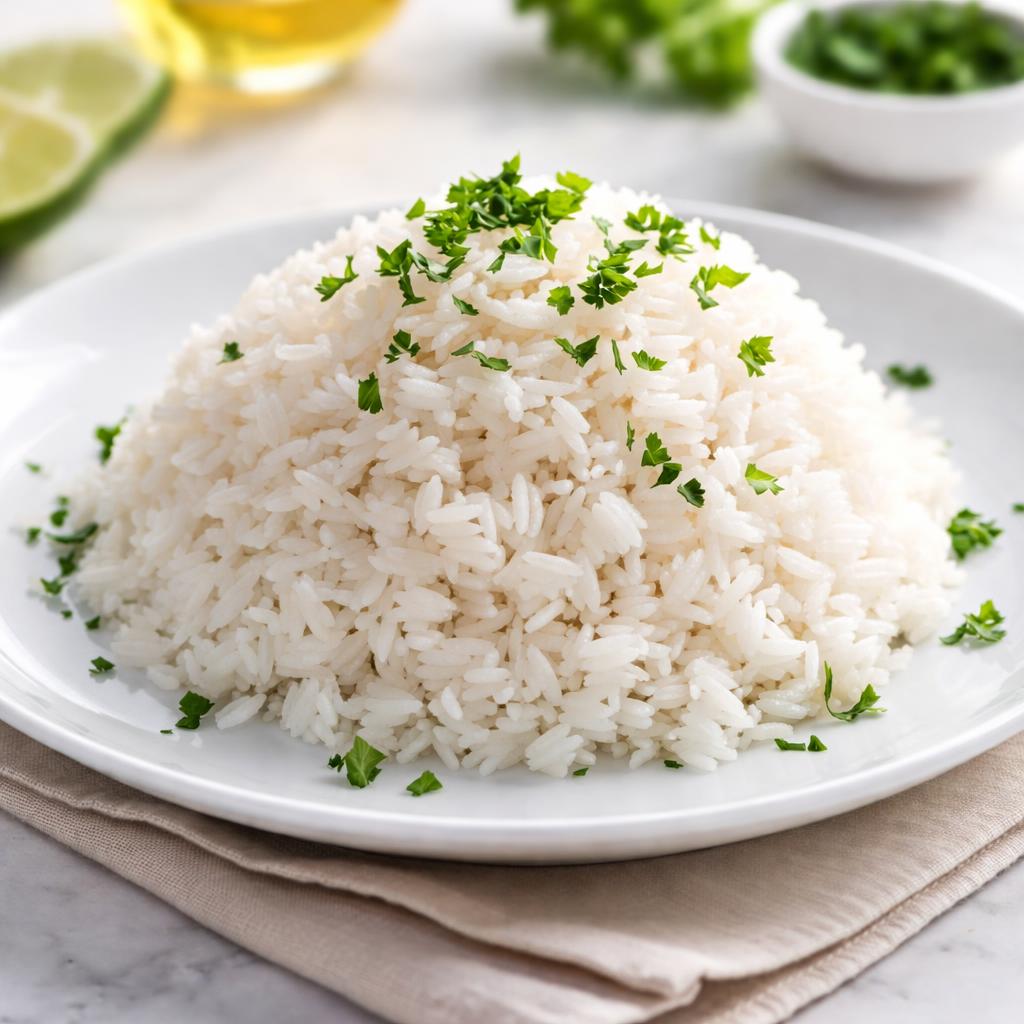
Rice
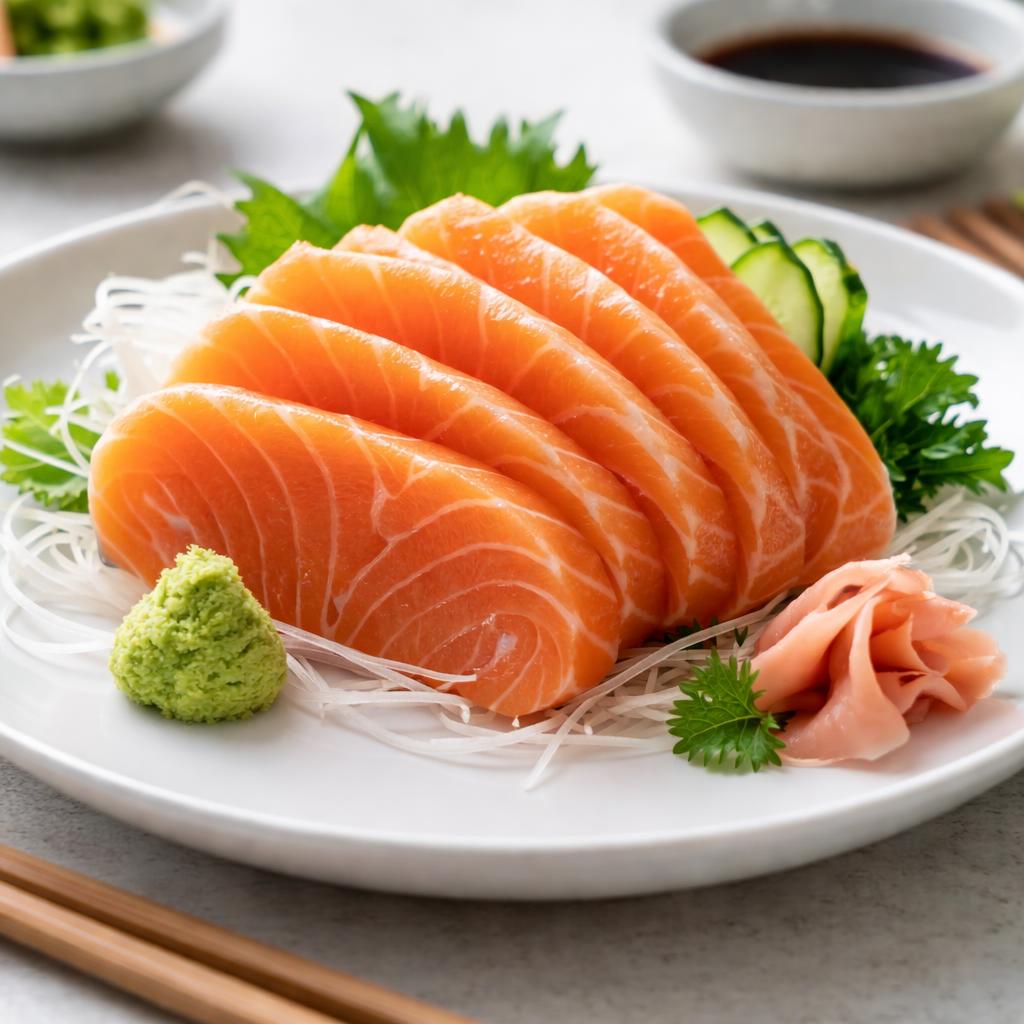
Salmon Sashimi
🎯 Quick Verdict
Salmon sashimi offers significantly higher protein (20g vs 2g per serving) and lower carbohydrates (0g vs 45g), making it ideal for high-protein or low-carb diets. Rice, however, excels in fiber content (1g vs 0g) and is a more calorie-dense energy source, better suited for fueling endurance activities or as part of balanced meals with complementary macronutrients.

Smart Nutrition Tracking with SnapCalorie

📊 Nutritional Comparison
Macronutrients
| Nutrient | Food 1 | Food 2 | Winner |
|---|---|---|---|
| Calories | 210 | 150 | ✓ |
| Protein | 2g | 20g | ✓ |
| Carbs | 45g | 0g | ✓ |
| Fat | 0g | 7g | ✓ |
| Fiber | 1g | 0g | ✓ |
Vitamins & Minerals
| Nutrient | Food 1 | Food 2 | Winner |
|---|---|---|---|
| Vitamin D | 0mcg | 8mcg | ✓ |
| Calcium | 10mg | 9mg | ✓ |
| Iron | 0.2mg | 0.5mg | ✓ |
🏆 Category Winners
Protein
Salmon sashimi contains 10 times more protein than rice (20g vs 2g).
Fiber
Rice contains 1g of fiber per serving, whereas salmon sashimi has none.
Calories
Salmon sashimi has fewer calories per serving (150 vs 210), making it a lower-calorie option.
🥗 Diet Compatibility
Keto
Food 1: Not Compatible
Food 2: Compatible
Rice is high in carbs, while salmon sashimi is carb-free and fits the ketogenic diet.
Vegan
Food 1: Compatible
Food 2: Not Compatible
Rice is plant-based, while salmon sashimi is animal-derived.
Gluten Free
Food 1: Compatible
Food 2: Compatible
Both rice and salmon sashimi are naturally gluten-free.
Paleo
Food 1: Not Compatible
Food 2: Compatible
Rice is excluded in the paleo diet, but salmon sashimi is a protein-rich paleo-approved food.
Low Carb
Food 1: Not Compatible
Food 2: Compatible
Rice has a high carbohydrate content (45g per serving), while salmon sashimi has 0g carbs.
💪 Health Benefits Comparison
Food 1 Benefits
- Source of energy due to high carbohydrate content
- Provides small amounts of fiber to aid digestion
- Supports vegan and gluten-free diets
Food 2 Benefits
- Rich in high-quality protein for muscle growth and repair
- Good source of omega-3 fatty acids, promoting heart and brain health
- Contains vitamin D, supporting bone health and immunity
- Provides essential minerals like selenium and iron
✅ The Bottom Line
Choose rice for sustained energy during physical activity or as a base for vegan and gluten-free meals. Opt for salmon sashimi for high-protein, low-carb meals beneficial for weight management, muscle maintenance, and heart health.
Choose Food 1 for: Endurance activities, vegan diets, gluten-free meals
Choose Food 2 for: Weight management, high-protein diets, heart health


