Rice VS Salmon Salad
A detailed nutritional comparison
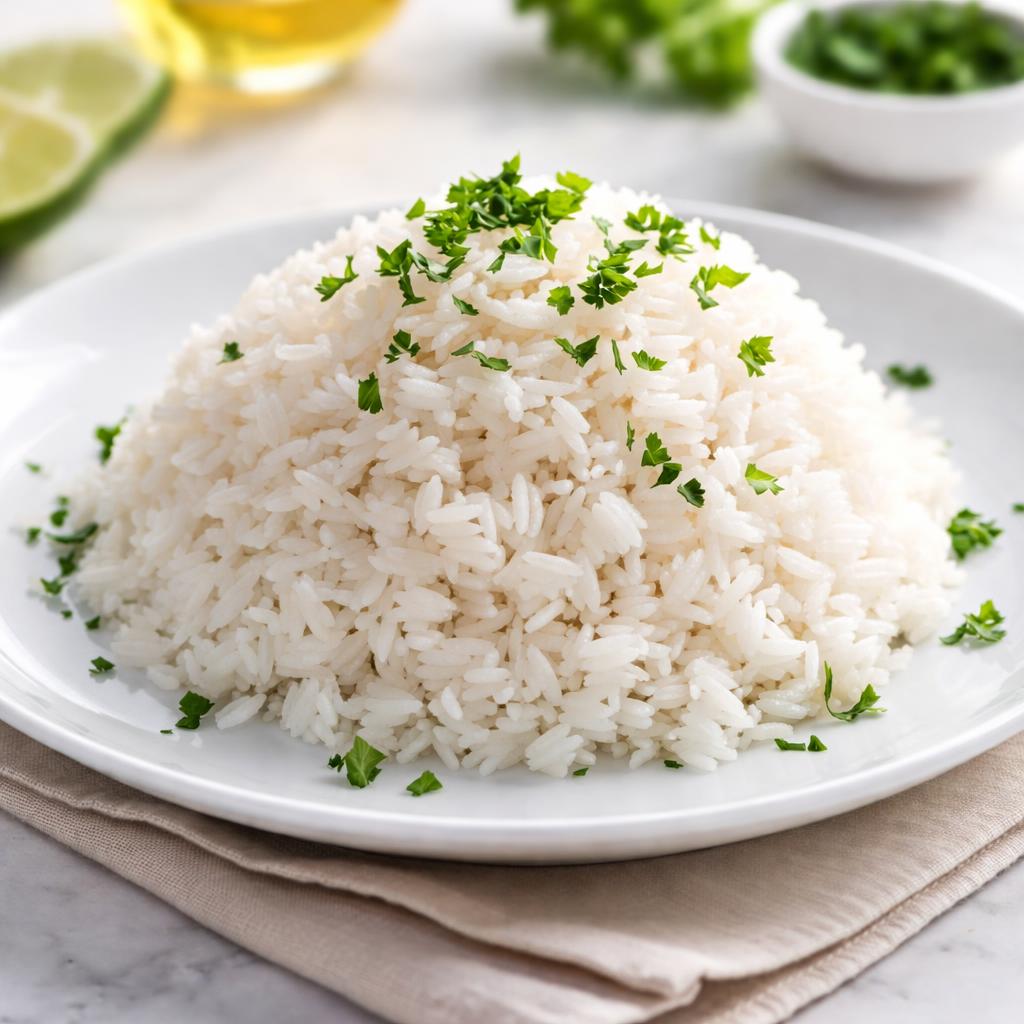
Rice
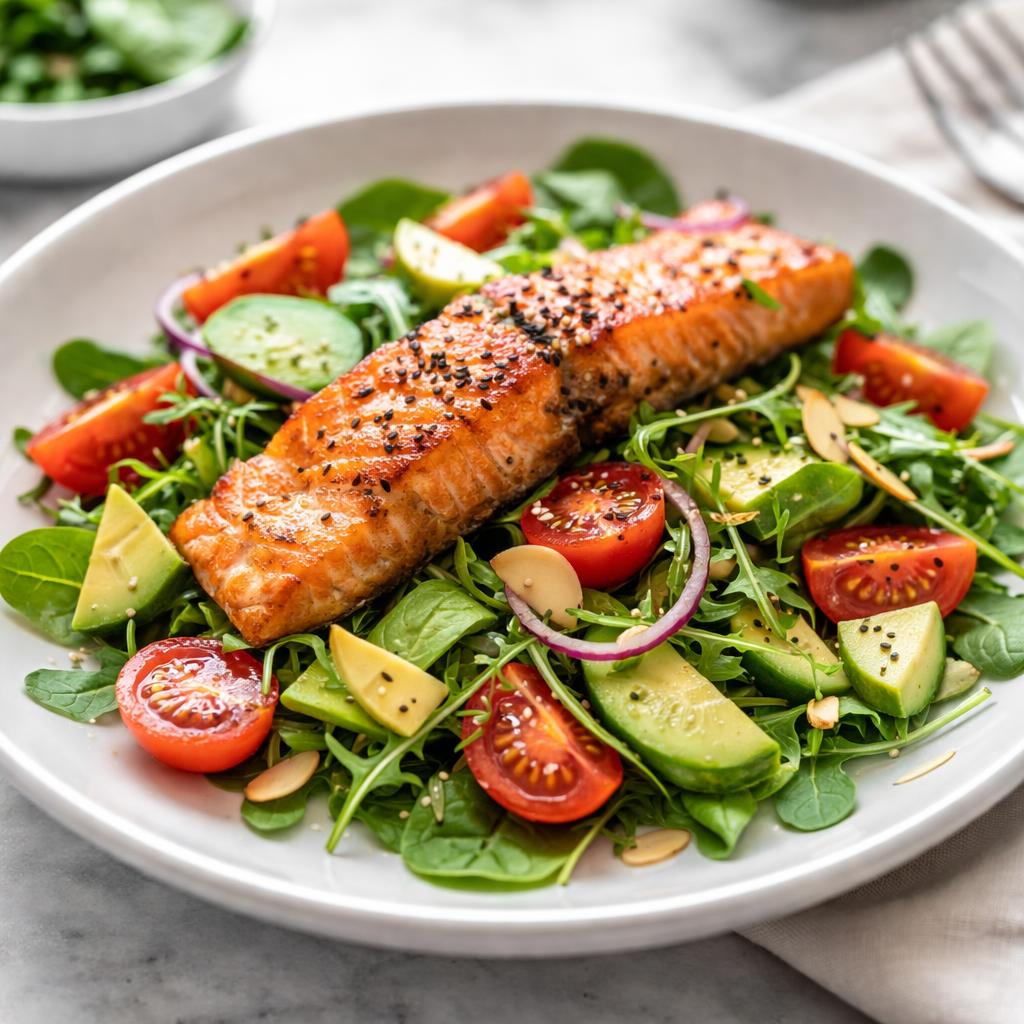
Salmon Salad
🎯 Quick Verdict
Salmon salad is nutrient-dense with higher protein, healthy fats, and vitamins, making it ideal for maintaining muscle and heart health. Rice is a simple carbohydrate source with more fiber, suitable for quick energy and digestion support. Choose salmon salad for balanced nutrition and rice for a versatile energy source.

Smart Nutrition Tracking with SnapCalorie

📊 Nutritional Comparison
Macronutrients
| Nutrient | Food 1 | Food 2 | Winner |
|---|---|---|---|
| Calories | 206 | 200 | − |
| Protein | 4.2g | 20g | ✓ |
| Carbs | 45g | 8g | ✓ |
| Fat | 0.4g | 14g | ✓ |
| Fiber | 1g | 0.8g | ✓ |
Vitamins & Minerals
| Nutrient | Food 1 | Food 2 | Winner |
|---|---|---|---|
| Vitamin D | 0mcg | 9mcg | ✓ |
| Vitamin B12 | 0mcg | 3mcg | ✓ |
| Calcium | 10mg | 15mg | ✓ |
| Iron | 0.2mg | 0.9mg | ✓ |
🏆 Category Winners
Protein
Salmon salad has nearly 5x the protein (20g compared to 4.2g).
Fiber
Rice has slightly more fiber (1g compared to 0.8g).
Calories
Both are closely matched in calorie content, around 200 kcal per serving.
Vitamins
Salmon salad has richer amounts of vitamin D, B12, calcium, and iron.
🥗 Diet Compatibility
Keto
Food 1: Not Compatible
Food 2: Compatible
Rice is high-carb, whereas salmon salad is low-carb and fits keto guidelines.
Vegan
Food 1: Compatible
Food 2: Not Compatible
Rice is plant-based, salmon salad contains fish.
Gluten Free
Food 1: Compatible
Food 2: Compatible
Neither contains gluten, provided no added gluten-containing ingredients.
Paleo
Food 1: Not Compatible
Food 2: Compatible
Rice is not paleo-approved, but salmon salad aligns well with paleo principles.
Low-Carb
Food 1: Not Compatible
Food 2: Compatible
Rice is high in carbohydrates, but salmon salad is low-carb-friendly (8g carbs per serving).
💪 Health Benefits Comparison
Food 1 Benefits
- Provides quick energy from carbohydrates
- Contains small amounts of fiber for digestion
- Gluten-free and suitable for basic dietary needs
Food 2 Benefits
- Rich source of protein for muscle maintenance and repair
- High omega-3 fatty acids for heart and brain health
- Provides essential vitamins like D and B12 for energy and immune support
- Low-carb and nutrient-dense for weight management
✅ The Bottom Line
Salmon salad is the superior choice for a nutrient-packed, high-protein, and low-carb meal, ideal for fitness-focused diets and overall health. Rice serves better as an energy booster for quick carb replenishment or as a base ingredient in high-energy recipes.
Choose Food 1 for: Energy needs, quick digestion, and versatility in meals
Choose Food 2 for: High-protein diets, heart and brain health, low-carb meals


