Rice VS Salmon
A detailed nutritional comparison
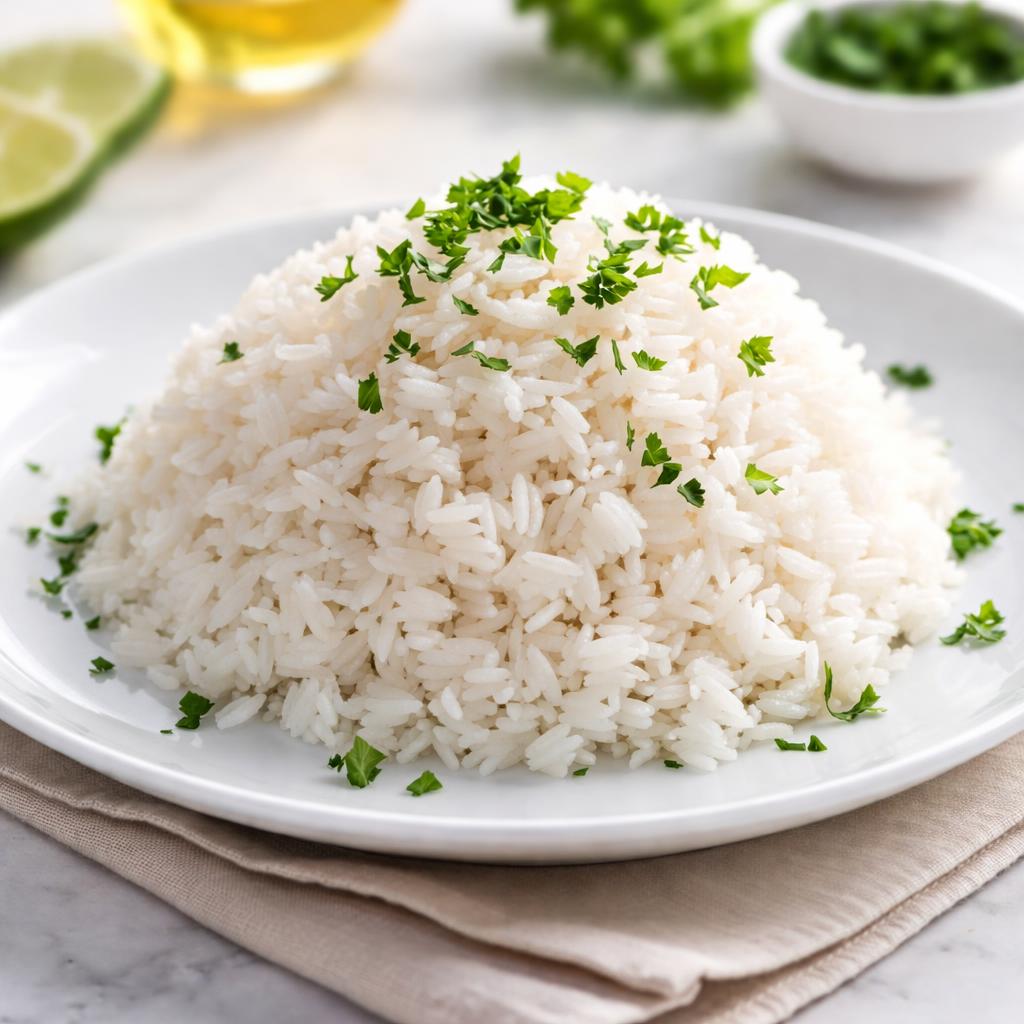
Rice
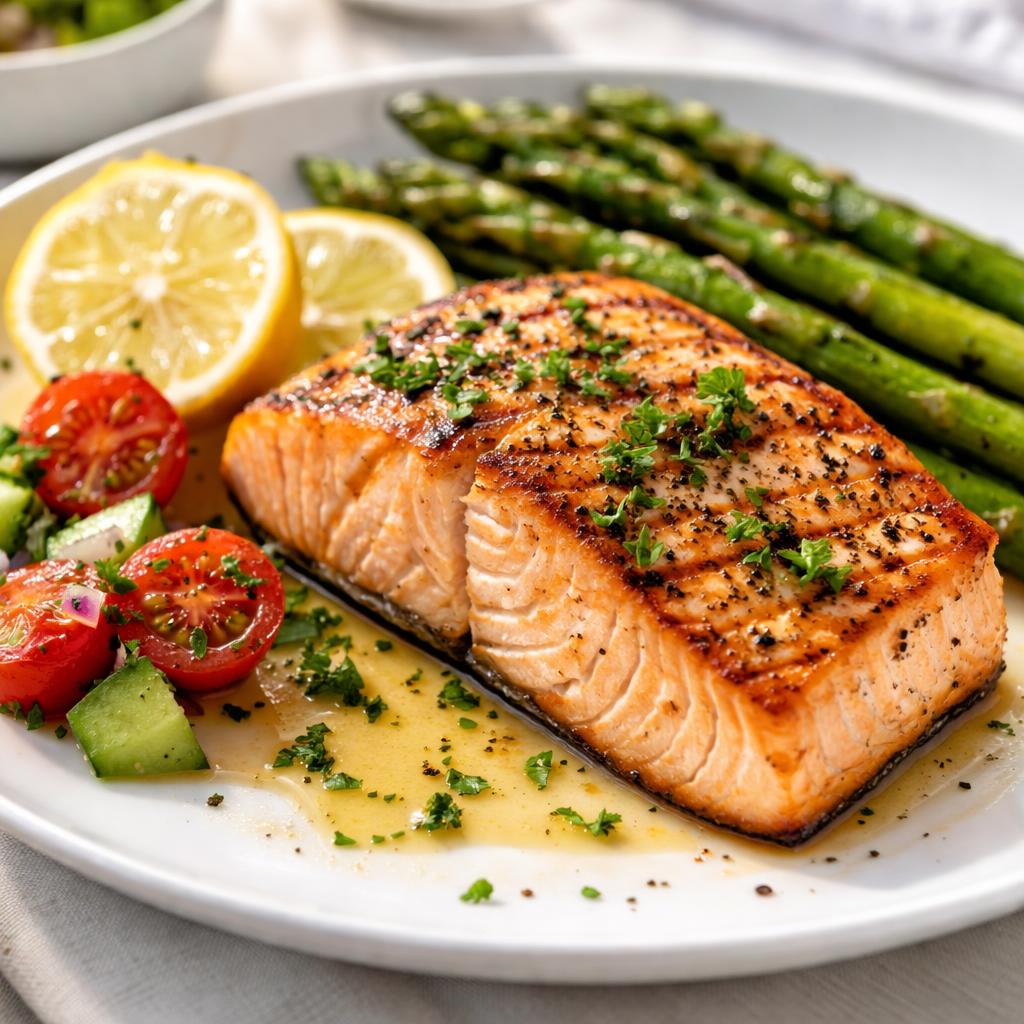
Salmon
🎯 Quick Verdict
Salmon dominates in protein content and provides healthy omega-3 fats, making it ideal for muscle maintenance and heart health. Rice, on the other hand, is a good source of carbohydrates and fiber, offering quick energy and supporting digestion. Salmon is a better choice for overall nutrient density, while rice is suited for energy-focused diets and vegan lifestyles.

Smart Nutrition Tracking with SnapCalorie

📊 Nutritional Comparison
Macronutrients
| Nutrient | Food 1 | Food 2 | Winner |
|---|---|---|---|
| Calories | 205 | 206 | − |
| Protein | 4.3g | 22g | ✓ |
| Carbs | 44.5g | 0g | ✓ |
| Fat | 0.5g | 13g | ✓ |
| Fiber | 0.6g | 0g | ✓ |
Vitamins & Minerals
| Nutrient | Food 1 | Food 2 | Winner |
|---|---|---|---|
| Vitamin D | 0mcg | 16mcg | ✓ |
| Calcium | 3mg | 11mg | ✓ |
| Iron | 1mg | 0.3mg | ✓ |
🏆 Category Winners
Protein
Salmon contains over 5 times more protein per serving compared to rice.
Fiber
Rice has fiber, while salmon has none.
Calories
Both foods contain nearly the same caloric value.
Vitamins
Salmon is much richer in vitamin D and calcium than rice.
🥗 Diet Compatibility
Keto
Food 1: Not Compatible
Food 2: Compatible
Salmon is carb-free, whereas rice is high in carbs.
Vegan
Food 1: Compatible
Food 2: Not Compatible
Rice is plant-based; salmon is an animal product.
Gluten Free
Food 1: Compatible
Food 2: Compatible
Neither food contains gluten.
Paleo
Food 1: Not Compatible
Food 2: Compatible
Rice is not allowed on paleo diets, while salmon is a staple.
Low Carb
Food 1: Not Compatible
Food 2: Compatible
Rice contains high carbs, while salmon is carb-free.
💪 Health Benefits Comparison
Food 1 Benefits
- Provides quick energy due to high carbohydrate content
- Low in fat, making it heart-friendly
- Minimal fiber helps support digestion in small quantities
Food 2 Benefits
- Rich in omega-3 fatty acids for heart and brain health
- High in protein for muscle building and maintenance
- Excellent source of vitamin D for bone health
✅ The Bottom Line
For a high-nutrient, protein-rich food choice, salmon is the clear winner, especially for keto, paleo, or low-carb diets. Rice is better suited for vegan diets or those requiring quick energy intake. Pairing the two can make a balanced meal of protein and carbs.
Choose Food 1 for: Quick energy, vegan lifestyles, digestion support
Choose Food 2 for: High-protein diets, heart health, low-carb lifestyles


