Rice VS Rice With Vegetables And Meat
A detailed nutritional comparison
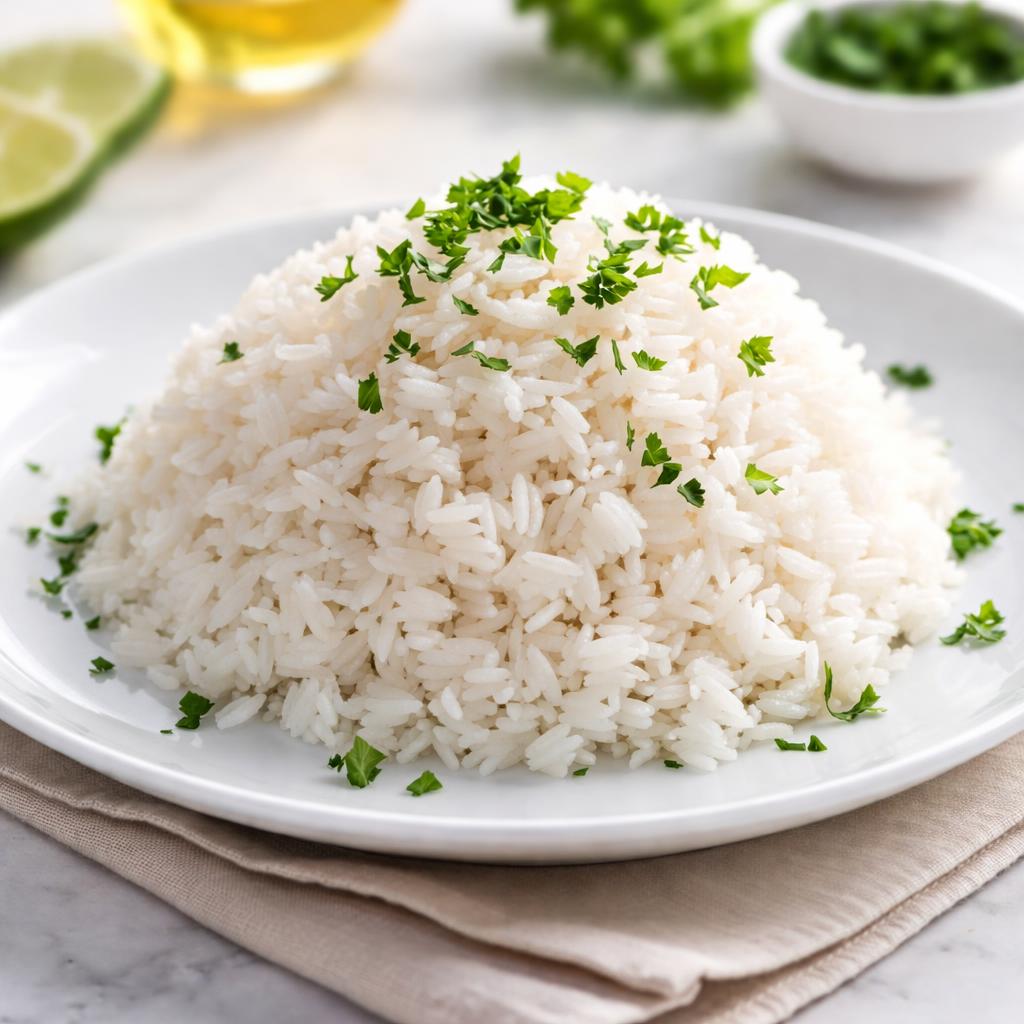
Rice
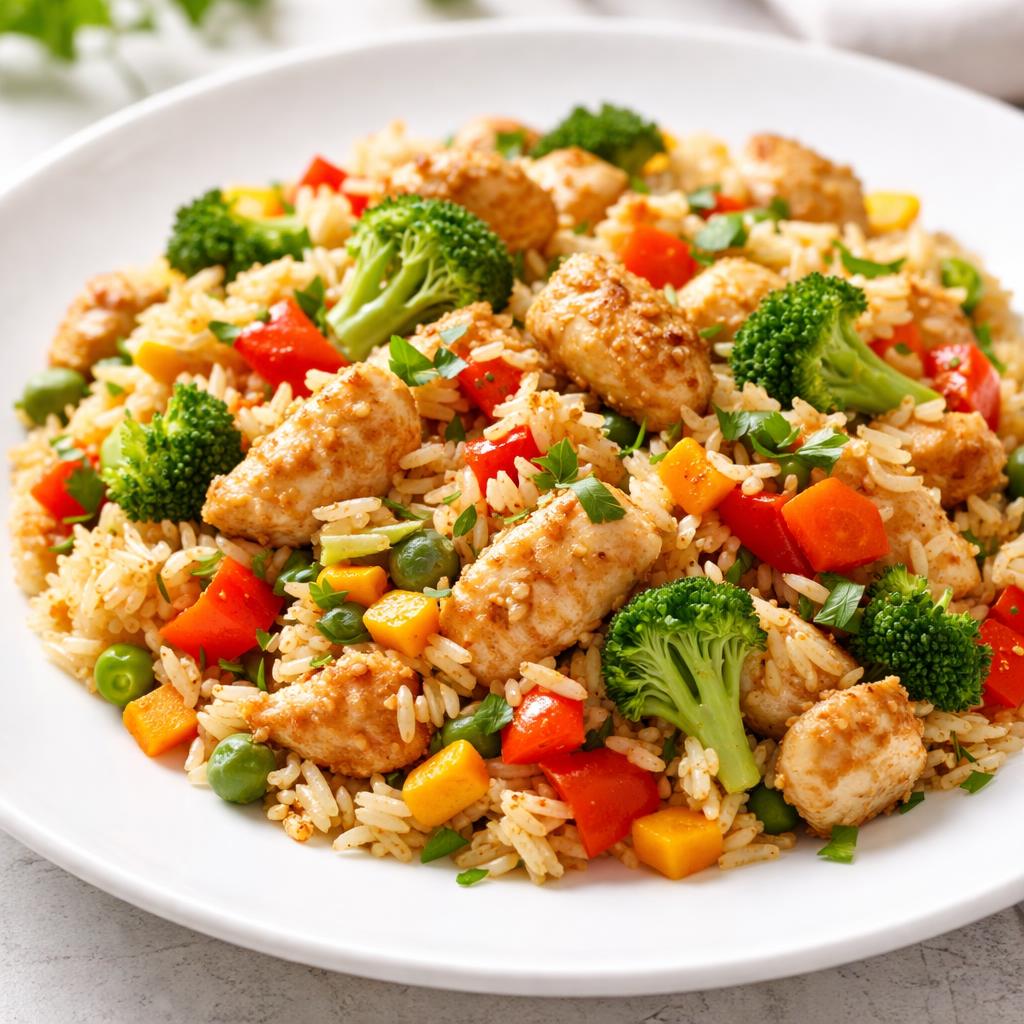
Rice With Vegetables And Meat
🎯 Quick Verdict
Rice alone is a high-carb staple with minimal protein and fiber but fewer calories, making it suitable for quick energy. Rice with vegetables and meat adds significant nutritional improvements, including higher protein, fiber, vitamins, and minerals, making it a more balanced and complete meal. Choose food2 for a nutrient-dense option; food1 for simplicity and calorie control.

Smart Nutrition Tracking with SnapCalorie

📊 Nutritional Comparison
Macronutrients
| Nutrient | Food 1 | Food 2 | Winner |
|---|---|---|---|
| Calories | 205 | 350 | ✓ |
| Protein | 4g | 18g | ✓ |
| Carbs | 45g | 30g | ✓ |
| Fat | 0.4g | 9g | ✓ |
| Fiber | 0.6g | 5g | ✓ |
Vitamins & Minerals
| Nutrient | Food 1 | Food 2 | Winner |
|---|---|---|---|
| Vitamin A | 0mcg | 300mcg | ✓ |
| Vitamin C | 0mg | 20mg | ✓ |
| Iron | 0.3mg | 2mg | ✓ |
🏆 Category Winners
Protein
Food2 contains over 4 times more protein than plain rice.
Fiber
Food2 has 8 times more fiber thanks to vegetables.
Calories
Food1 has nearly 40% fewer calories than food2.
Vitamins
Food2 includes Vitamin A, Vitamin C, and Iron, while food1 offers very little.
🥗 Diet Compatibility
Keto
Food 1: Not Compatible
Food 2: Not Compatible
Both are high in carbohydrates.
Vegan
Food 1: Compatible
Food 2: Not Compatible
Food2 contains meat, which is not vegan.
Gluten Free
Food 1: Compatible
Food 2: Compatible
Neither contains gluten.
Paleo
Food 1: Not Compatible
Food 2: Partially Compatible
Rice is not paleo; vegetables and meat are paleo-friendly.
Low Carb
Food 1: Not Compatible
Food 2: Partially Compatible
Food2 has a moderate carbohydrate content, while food1 is high-carb.
💪 Health Benefits Comparison
Food 1 Benefits
- Provides quick energy as a high-carb food
- Low in fat, suitable for calorie-focused diets
- Simple and easy to digest
Food 2 Benefits
- High in protein for muscle maintenance and repair
- Rich in fiber for improved digestion
- Contains Vitamin A, C, and Iron for immunity and overall health
- Includes healthy fats for sustained energy
✅ The Bottom Line
Food2 is the better choice for a complete, nutrient-rich meal as it offers protein, fiber, and vitamins in significant amounts. Food1 is simpler, lower in calories, and good for quick energy or dishes that need a base ingredient. Select food1 for calorie control or simplicity, and food2 for balanced nutrition and sustenance.
Choose Food 1 for: Weight maintenance, budget-friendly meals, base for stir-fries or curries
Choose Food 2 for: Active individuals, balanced diets, nutrient-dense family meals


