Rice VS Rice Noodles
A detailed nutritional comparison
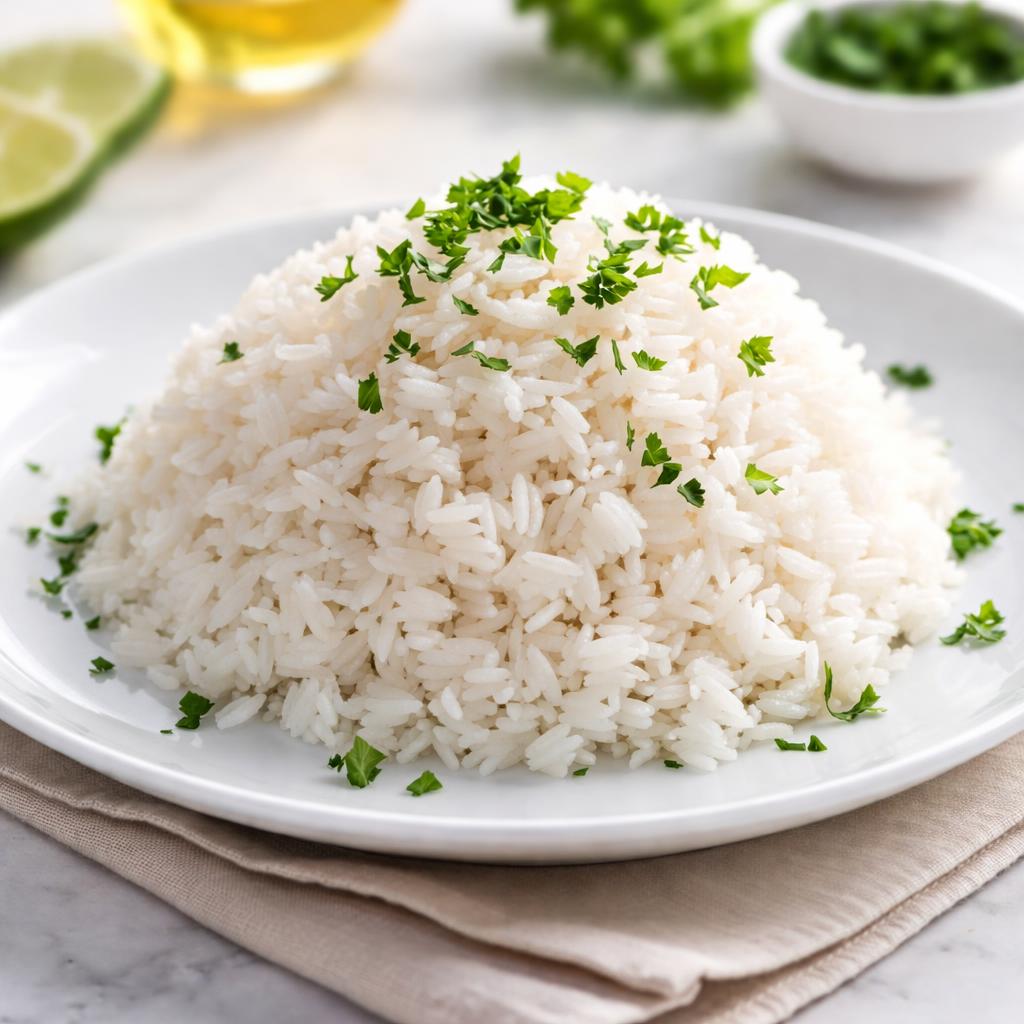
Rice
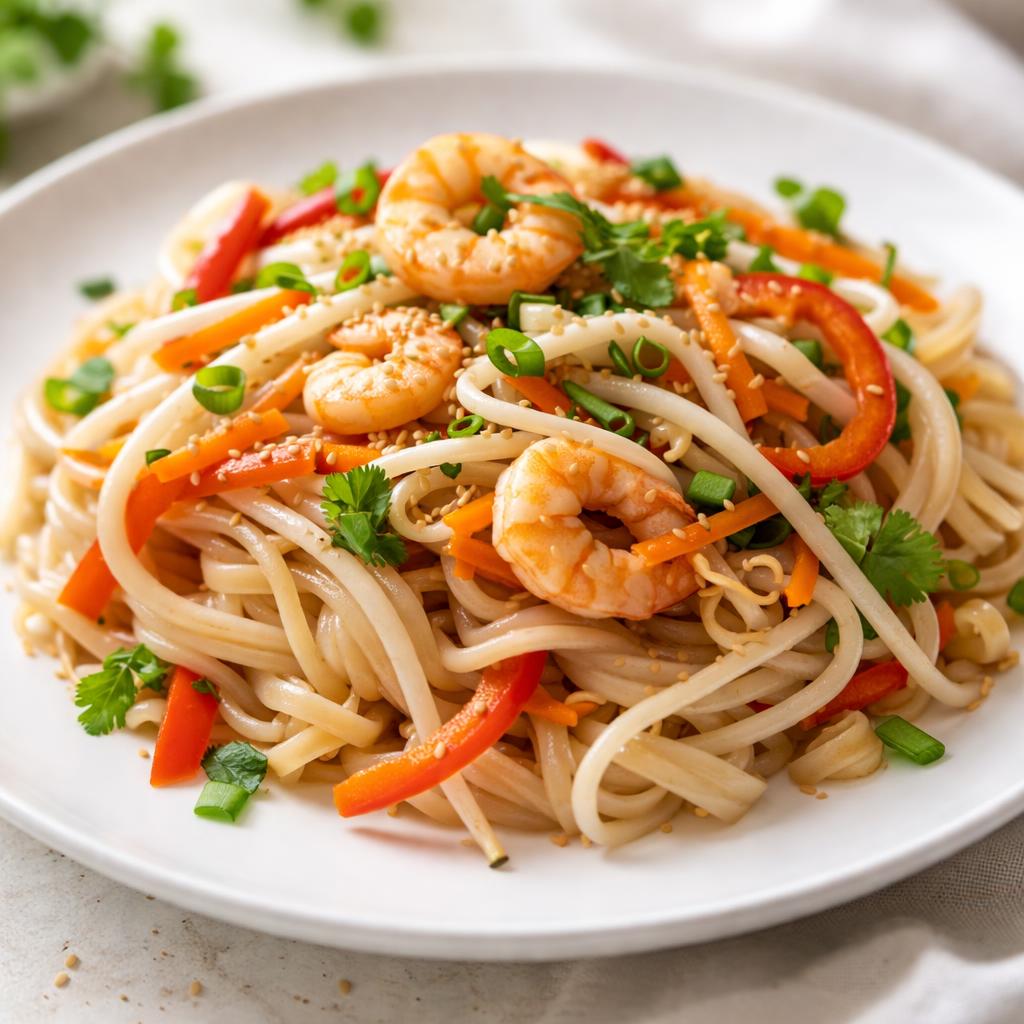
Rice Noodles
🎯 Quick Verdict
Rice and rice noodles are both made from rice but have different nutritional profiles. Rice is higher in protein and fiber, making it a more nutrient-dense option. On the other hand, rice noodles provide a lighter carb source but lack the fiber and protein of whole rice grains. Rice is best for balanced meals, while rice noodles suit quick and light dishes such as stir-fries and soups.

Smart Nutrition Tracking with SnapCalorie

📊 Nutritional Comparison
Macronutrients
| Nutrient | Food 1 | Food 2 | Winner |
|---|---|---|---|
| Calories | 190 | 190 | − |
| Protein | 4g | 2g | ✓ |
| Carbs | 42g | 43g | ✓ |
| Fat | 0.5g | 0g | ✓ |
| Fiber | 1g | 0g | ✓ |
Vitamins & Minerals
| Nutrient | Food 1 | Food 2 | Winner |
|---|---|---|---|
| Vitamin D | 0mcg | 0mcg | − |
| Calcium | 10mg | 5mg | ✓ |
| Iron | 1.5mg | 0.5mg | ✓ |
| Potassium | 55mg | 20mg | ✓ |
🏆 Category Winners
Protein
Rice contains twice the protein per serving compared to rice noodles.
Fiber
Rice provides 1g of fiber, while rice noodles contain no fiber.
Calories
Both foods have 190 calories per serving.
Vitamins
Rice is higher in iron, calcium, and potassium compared to rice noodles.
🥗 Diet Compatibility
Keto
Food 1: Not Compatible
Food 2: Not Compatible
Both have high carbohydrate content and are not suitable for keto diets.
Vegan
Food 1: Compatible
Food 2: Compatible
Both foods are plant-based and vegan-friendly.
Gluten Free
Food 1: Compatible
Food 2: Compatible
Both rice and rice noodles are naturally gluten-free.
Paleo
Food 1: Compatible
Food 2: Compatible
Both are minimally processed and acceptable on a paleo diet.
Low-Carb
Food 1: Not Compatible
Food 2: Not Compatible
Both foods are high in carbs and not suitable for low-carb diets.
💪 Health Benefits Comparison
Food 1 Benefits
- Higher in protein for muscle maintenance
- Provides fiber for digestive health
- Contains iron for oxygen transport in the body
- Offers potassium for heart and muscle function
Food 2 Benefits
- Quickly digestible for energy needs
- Low fat for those watching their fat intake
- Naturally gluten-free for individuals with sensitivities
- Easy to pair with sauces for flavorful dishes
✅ The Bottom Line
Rice is the more nutrient-dense choice, offering more protein, fiber, and micronutrients, making it a better fit for balanced meals or post-workout fuel. Rice noodles are lighter and quicker to prepare, ideal for stir-fries, soups, or when seeking a lower-fiber, quick-energy option.
Choose Food 1 for: Balanced meals, post-workout recovery, nutrient-dense diets
Choose Food 2 for: Light stir-fries, soups, quick energy needs


