Rice VS Rhubarb
A detailed nutritional comparison
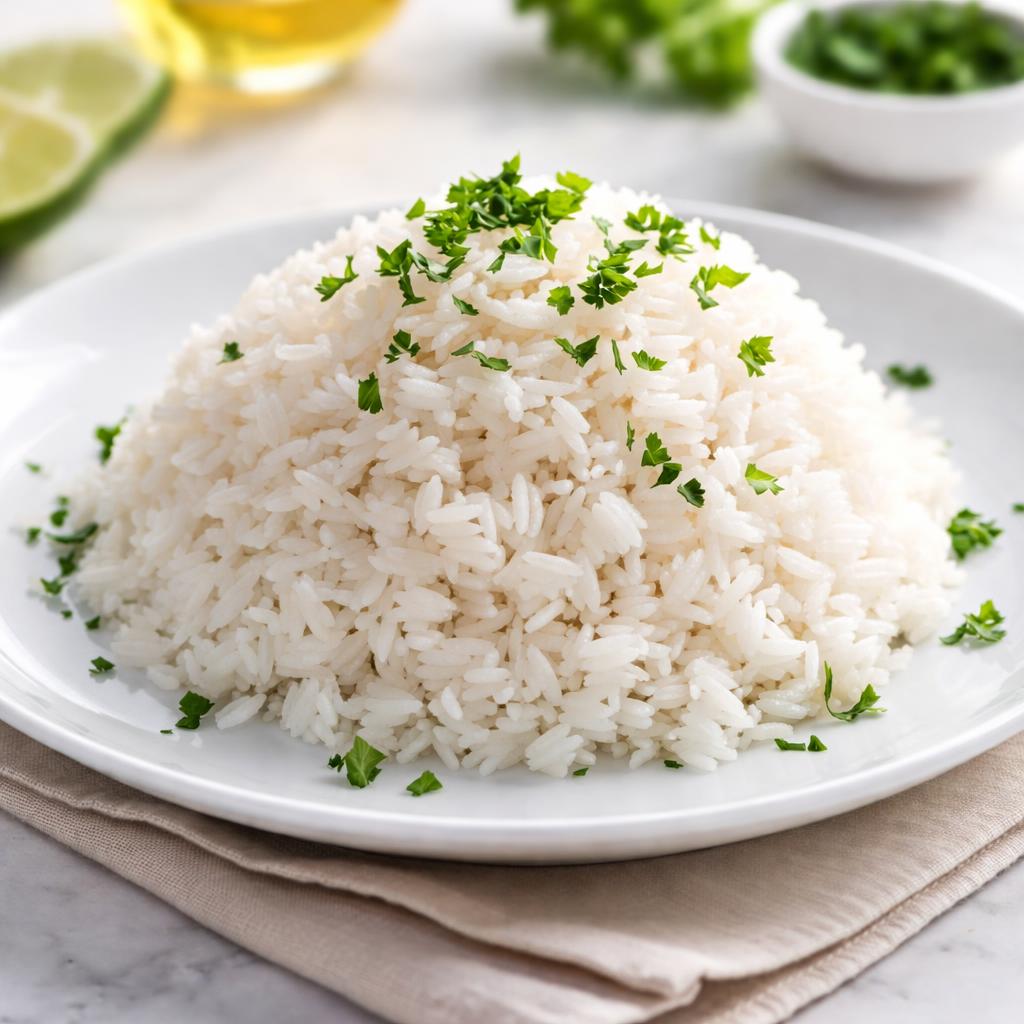
Rice
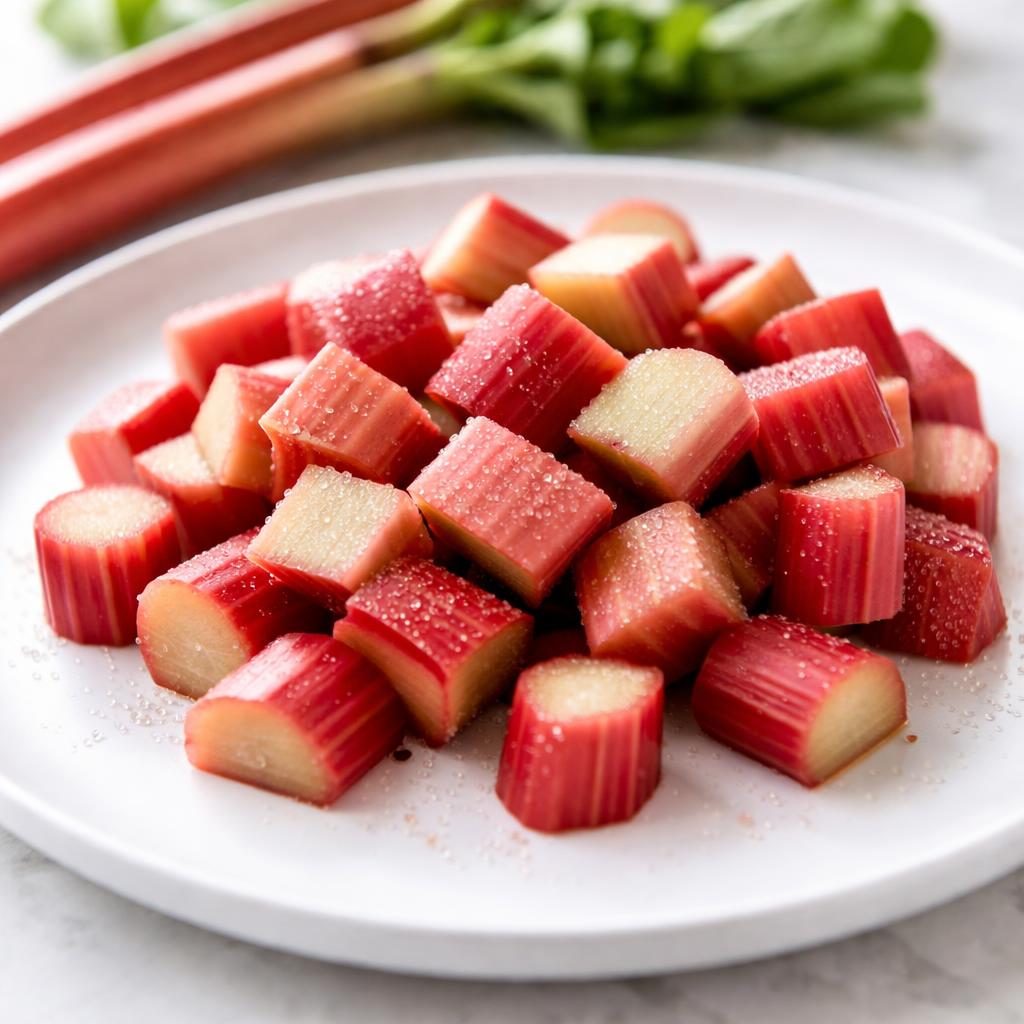
Rhubarb
🎯 Quick Verdict
Rice is a higher-calorie, carb-rich food better suited for energy needs like active lifestyles or workout recovery, while rhubarb is low-calorie with significantly higher fiber, making it ideal for digestion and weight management. Both have unique uses depending on dietary goals and preferences.

Smart Nutrition Tracking with SnapCalorie

📊 Nutritional Comparison
Macronutrients
| Nutrient | Food 1 | Food 2 | Winner |
|---|---|---|---|
| Calories | 130 (per 100g, cooked) | 21 (per 100g, raw) | ✓ |
| Protein | 2.7g | 0.9g | − |
| Carbs | 28g | 4.5g | ✓ |
| Fat | 0.3g | 0.1g | ✓ |
| Fiber | 0.4g | 1.9g | ✓ |
Vitamins & Minerals
| Nutrient | Food 1 | Food 2 | Winner |
|---|---|---|---|
| Vitamin C | 0mg | 8mg | ✓ |
| Calcium | 10mg | 86mg | ✓ |
| Iron | 0.2mg | 0.2mg | − |
🏆 Category Winners
Protein
Both rice and rhubarb provide low but comparable amounts of protein.
Fiber
Rhubarb provides significantly more fiber (1.9g vs 0.4g per 100g).
Calories
Rhubarb contains significantly fewer calories (21 vs 130 per 100g).
Vitamins
Rhubarb is richer in Vitamin C and calcium, making it more nutrient-dense.
🥗 Diet Compatibility
Keto
Food 1: Not Compatible
Food 2: Compatible
Rice is high-carb, while rhubarb is low-carb with only 4.5g carbs per 100g.
Vegan
Food 1: Compatible
Food 2: Compatible
Both are plant-based and completely vegan-friendly.
Gluten Free
Food 1: Compatible
Food 2: Compatible
Neither contains gluten, making both safe for gluten-free diets.
Paleo
Food 1: Not Compatible
Food 2: Compatible
Rice is typically excluded from paleo diets, while rhubarb is allowed.
Low-Carb
Food 1: Not Compatible
Food 2: Compatible
Rhubarb is significantly lower in carbohydrates compared to rice.
💪 Health Benefits Comparison
Food 1 Benefits
- Provides immediate energy from complex carbohydrates
- Low-fat option suitable for weight maintenance
- Versatile base for meals across various cuisines
Food 2 Benefits
- Rich in fiber for improved digestion
- Low-calorie option ideal for weight management
- Contains Vitamin C and calcium for bone health
✅ The Bottom Line
Choose rice when you need energy-dense, carb-rich foods for active days, workout recovery, or as a versatile meal base. Opt for rhubarb for weight management, digestive health benefits, or when looking for a low-calorie, nutrient-dense food with added fiber and vitamins.
Choose Food 1 for: Energy and carbs for active lifestyles, workout recovery, versatile meal accompaniment
Choose Food 2 for: Weight loss, improved digestion, low-calorie meal planning and added nutrient density


