Rice VS Reis
A detailed nutritional comparison
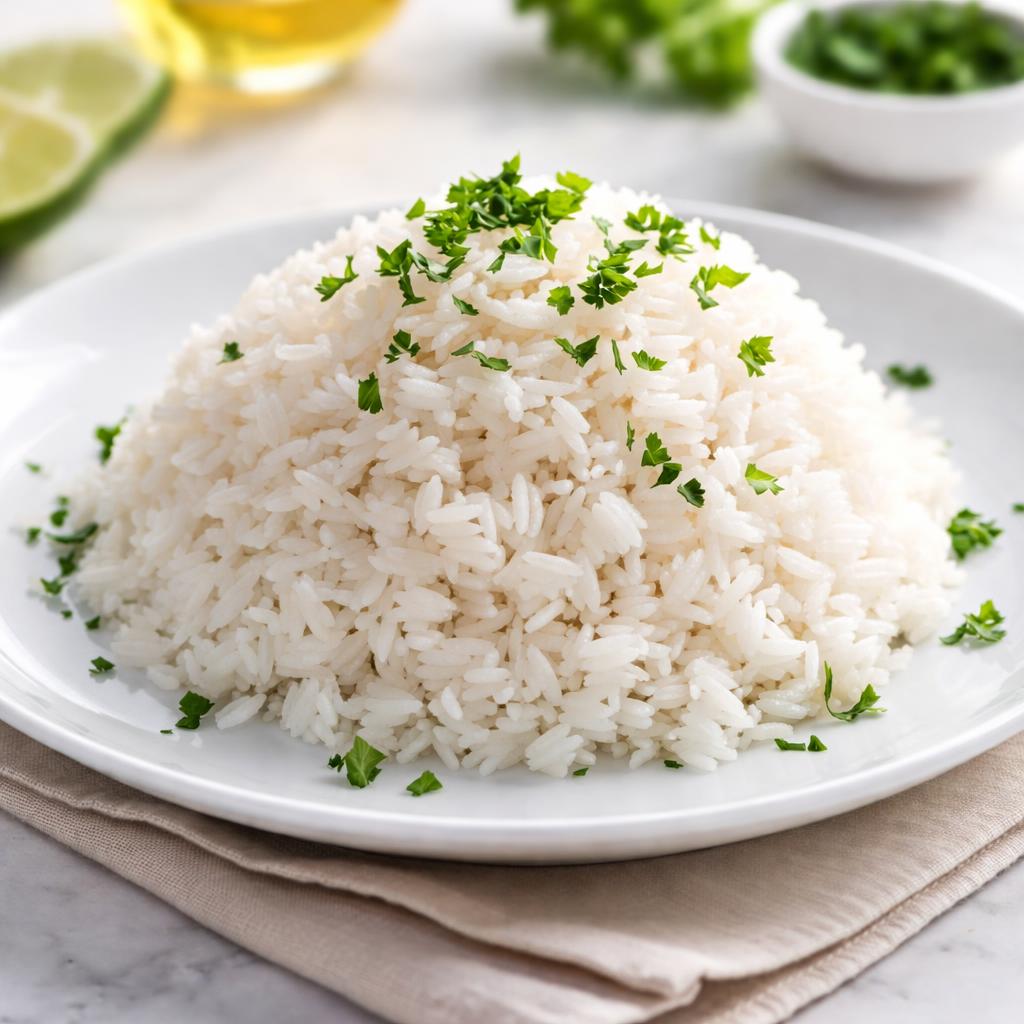
Rice
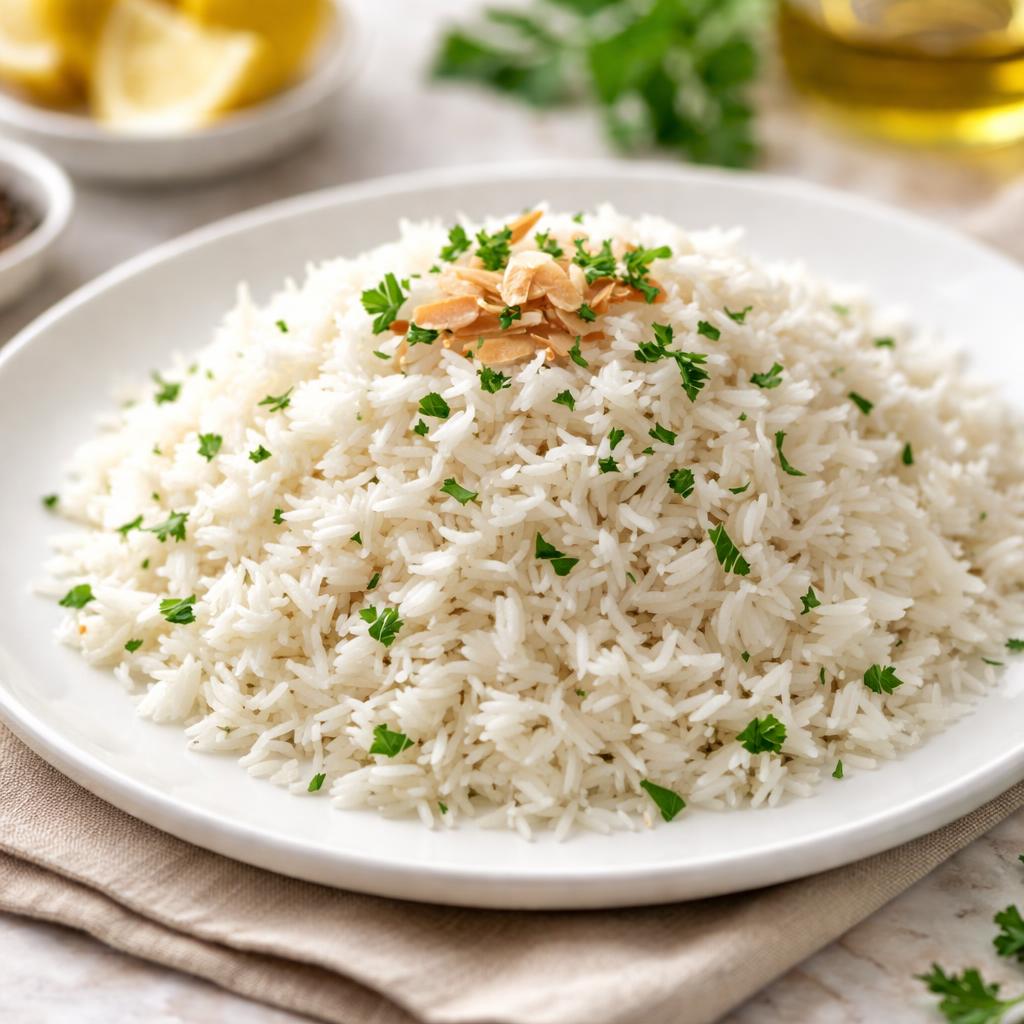
Reis
🎯 Quick Verdict
Rice and Reis (German equivalent of rice) are essentially the same food nutritionally since they refer to the same ingredient. Both provide moderate calories, low protein, and fiber, making them primarily a source of carbohydrates. Best used as a base in meals or energy-dense dishes.

Smart Nutrition Tracking with SnapCalorie

📊 Nutritional Comparison
Macronutrients
| Nutrient | Food 1 | Food 2 | Winner |
|---|---|---|---|
| Calories | 130 (per 100g cooked) | 130 (per 100g cooked) | − |
| Protein | 2.7g | 2.7g | − |
| Carbs | 28g | 28g | − |
| Fat | 0.3g | 0.3g | − |
| Fiber | 0.4g | 0.4g | − |
Vitamins & Minerals
| Nutrient | Food 1 | Food 2 | Winner |
|---|---|---|---|
| Vitamin D | 0mcg | 0mcg | − |
| Calcium | 10mg | 10mg | − |
| Iron | 0.2mg | 0.2mg | − |
🏆 Category Winners
Protein
Both foods contain the same amount of protein per serving.
Fiber
Both foods provide equal amounts of fiber (0.4g per serving).
Calories
Calorie counts are identical for rice and Reis (130 per 100g cooked).
🥗 Diet Compatibility
Keto
Food 1: Not Compatible
Food 2: Not Compatible
Both are high in carbohydrates (28g per serving).
Vegan
Food 1: Compatible
Food 2: Compatible
Rice and Reis are plant-based foods suitable for vegans.
Gluten Free
Food 1: Compatible
Food 2: Compatible
Neither contains gluten and is safe for those with celiac disease.
Paleo
Food 1: Compatible
Food 2: Compatible
Rice is typically accepted as paleo-friendly in moderation.
Low Carbohydrate
Food 1: Not Compatible
Food 2: Not Compatible
High carb content excludes it from low-carb diets.
💪 Health Benefits Comparison
Food 1 Benefits
- Provides energy due to high carbohydrate content
- Easy to digest, suitable for sensitive stomachs
- Good for weight maintenance when paired with balanced meals
Food 2 Benefits
- Acts as an energy-dense base for meals
- Low in fat, making it heart-health friendly
- Helps with dietary versatility and international cuisine
✅ The Bottom Line
Rice and Reis are nutritionally identical as they’re different terms for the same food (in English and German, respectively). Choose either for carbohydrate fueling in meals, while pairing with protein and fiber-rich sides for balance.
Choose Food 1 for: Energy-dense meals, post-workout recovery nutrition, easy digestion
Choose Food 2 for: Simple dishes, meal prep versatility, heart-healthy diets


