Rice VS Refried Beans
A detailed nutritional comparison
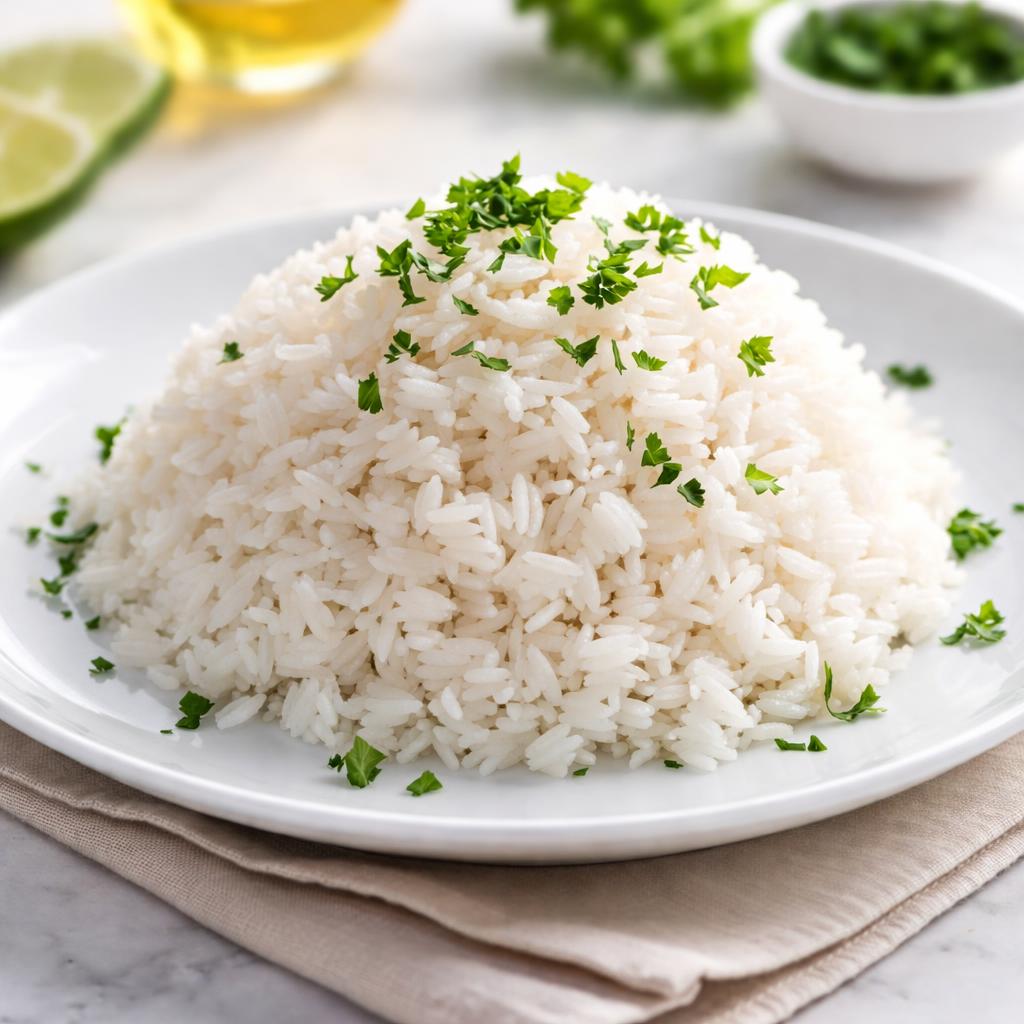
Rice
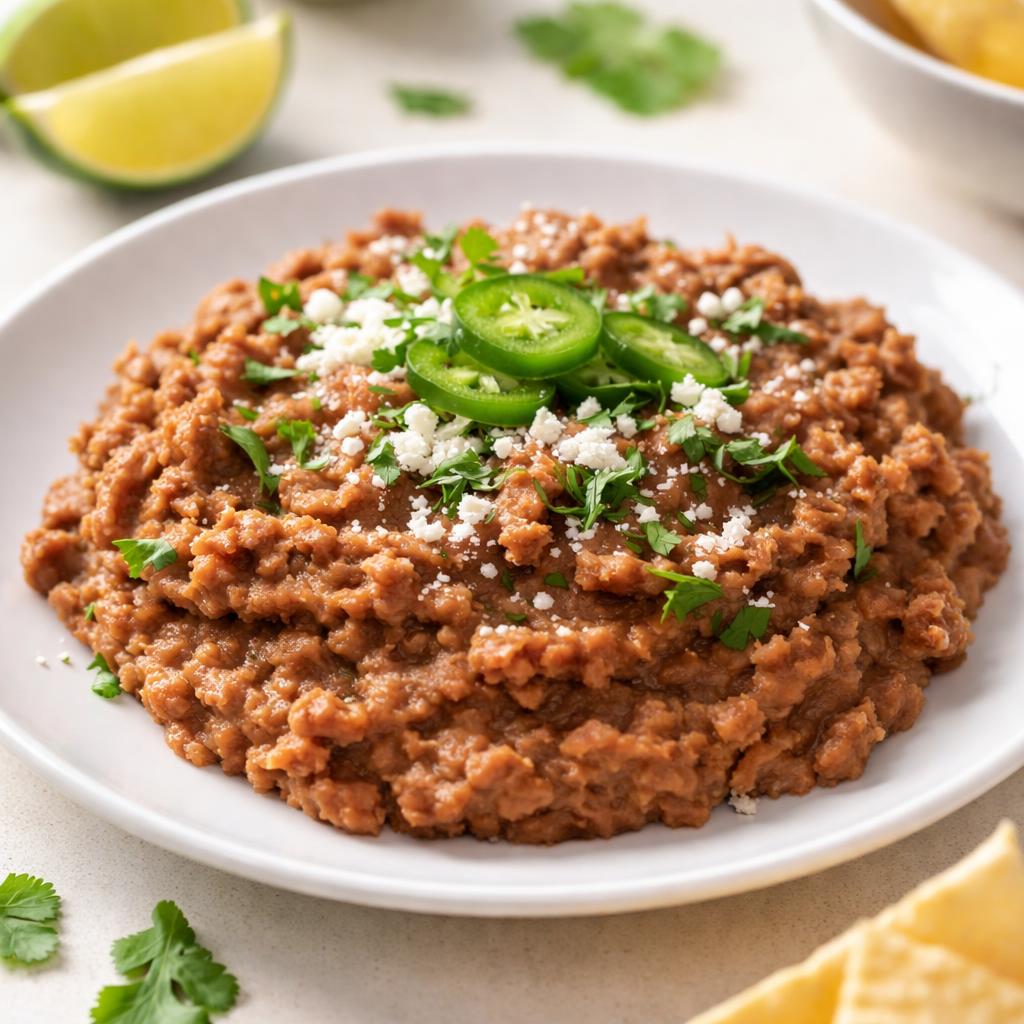
Refried Beans
🎯 Quick Verdict
Refried beans offer superior protein and fiber content compared to rice, making them a better choice for muscle maintenance and digestion support. Rice, although less nutrient-dense, is more versatile and provides quickly digestible energy, ideal for certain dietary plans or as a base ingredient in many dishes.

Smart Nutrition Tracking with SnapCalorie

📊 Nutritional Comparison
Macronutrients
| Nutrient | Food 1 | Food 2 | Winner |
|---|---|---|---|
| Calories | 215 (per cup, cooked) | 214 (per cup) | − |
| Protein | 4.2g | 12g | ✓ |
| Carbs | 45g | 24g | ✓ |
| Fat | 0.4g | 6g | ✓ |
| Fiber | 0.6g | 8g | ✓ |
Vitamins & Minerals
| Nutrient | Food 1 | Food 2 | Winner |
|---|---|---|---|
| Vitamin C | 0mg | 0.7mg | ✓ |
| Calcium | 16mg | 122mg | ✓ |
| Iron | 0.4mg | 2.5mg | ✓ |
🏆 Category Winners
Protein
Refried beans contain nearly 3x the protein of rice per serving.
Fiber
Refried beans offer significantly more dietary fiber per serving, supporting digestion.
Calories
Both rice and refried beans have similar calorie counts per serving.
Vitamins
Refried beans are richer in calcium, iron, and vitamin C compared to rice.
🥗 Diet Compatibility
Keto
Food 1: Not Compatible
Food 2: Not Compatible
Both are high-carb foods, making them unsuitable for strict keto diets.
Vegan
Food 1: Compatible
Food 2: Compatible
Both foods are plant-based and completely vegan.
Gluten Free
Food 1: Compatible
Food 2: Compatible
Neither rice nor refried beans contain gluten.
Paleo
Food 1: Compatible
Food 2: Not Compatible
Rice is accepted in some versions of paleo; refried beans are legumes and excluded in strict paleo diets.
Low Carb
Food 1: Not Compatible
Food 2: Not Compatible
Both are fairly high in carbohydrates, unsuitable for low-carb diets.
💪 Health Benefits Comparison
Food 1 Benefits
- Easily digestible source of carbs for energy
- Gluten-free and hypoallergenic
- Suitable for carb-loading before endurance exercises
- Versatile base ingredient for many meals
Food 2 Benefits
- Rich in protein for muscle repair and maintenance
- High in fiber, promoting digestive health
- Good source of iron, supporting oxygen transport in the body
- Contains calcium for strong bones and teeth
✅ The Bottom Line
Food1 (rice) is ideal for quick energy needs, carb-loading, or as a versatile meal base. Food2 (refried beans) is better for those seeking higher protein, fiber, and micronutrient content, particularly vegetarians or vegans looking to boost their nutrient intake.
Choose Food 1 for: Endurance athletes, versatile meal planning, mild digestion needs
Choose Food 2 for: Vegetarians, muscle support, balanced nutrient intake


