Rice VS Rasam
A detailed nutritional comparison
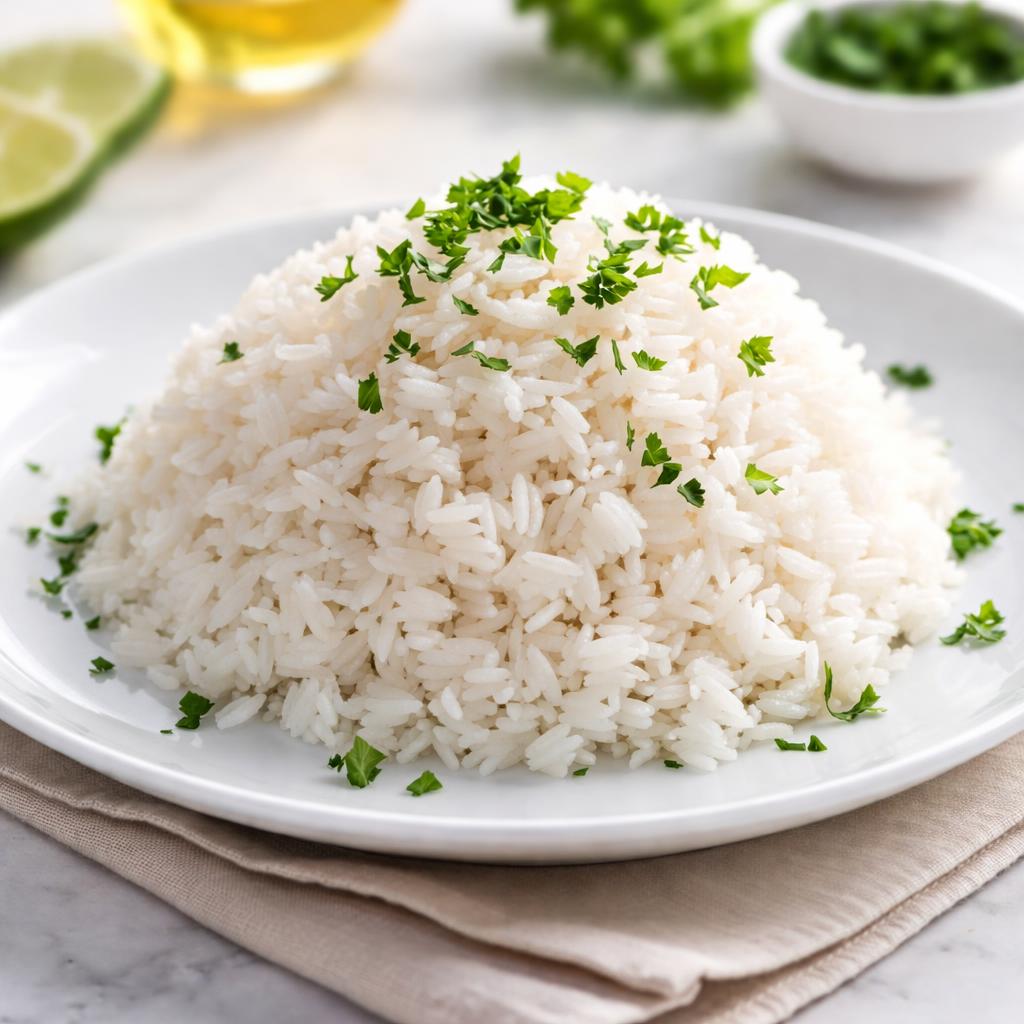
Rice
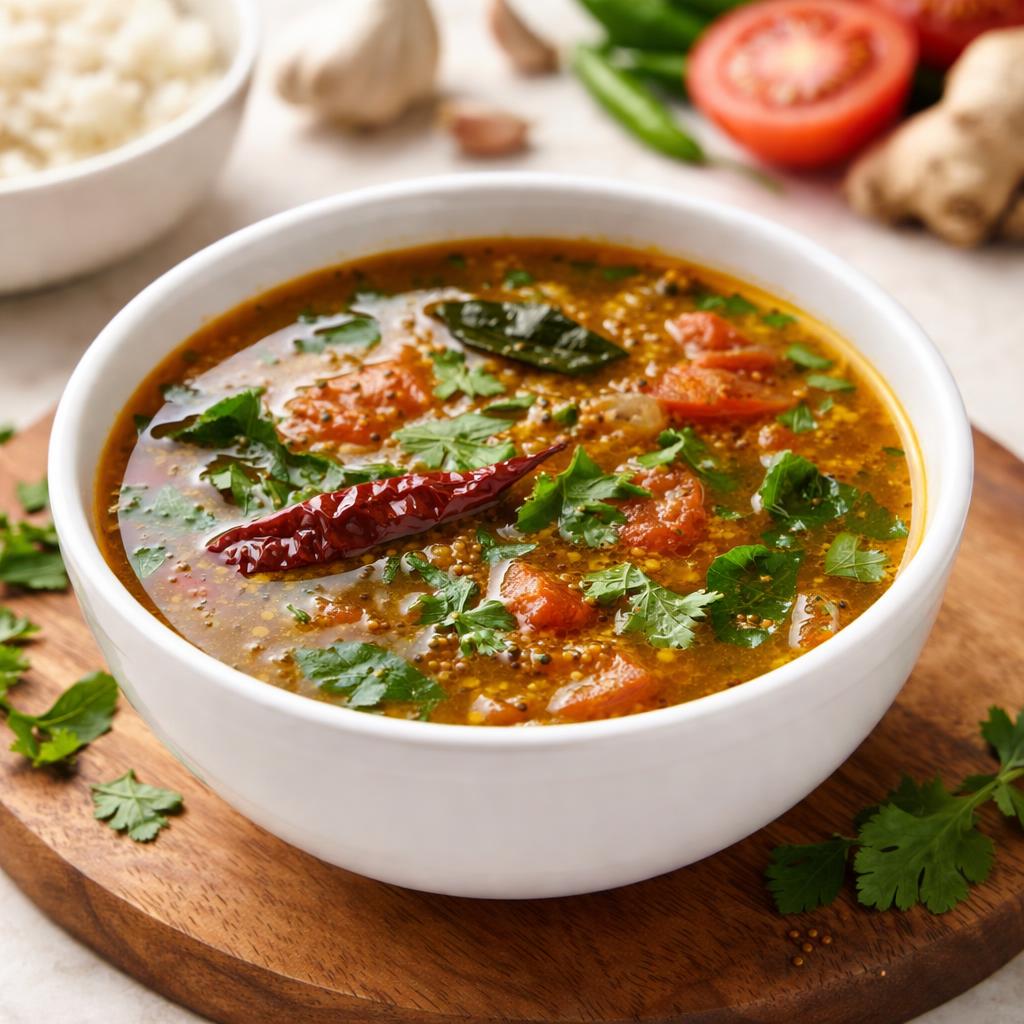
Rasam
🎯 Quick Verdict
Rasam is a lighter, nutrient-rich soup that excels in vitamins, fiber, and protein compared to plain rice. Rice is calorie-dense and provides quick energy through carbohydrates but lacks significant vitamins and nutrients. Rasam is ideal for those seeking a low-calorie, nutrient-dense option, especially for digestion support, while rice is better for individuals needing a quick carb source for energy or recovery after intense activity.

Smart Nutrition Tracking with SnapCalorie

📊 Nutritional Comparison
Macronutrients
| Nutrient | Food 1 | Food 2 | Winner |
|---|---|---|---|
| Calories | 130 (per 100g cooked) | 50 (per 1 cup serving) | ✓ |
| Protein | 2.7g | 3g | ✓ |
| Carbs | 28g | 8g | ✓ |
| Fat | 0.3g | 0.5g | ✓ |
| Fiber | 0.4g | 1.5g | ✓ |
Vitamins & Minerals
| Nutrient | Food 1 | Food 2 | Winner |
|---|---|---|---|
| Vitamin C | 0mg | 15mg | ✓ |
| Vitamin D | 0mcg | 0mcg | − |
| Calcium | 10mg | 25mg | ✓ |
| Iron | 1mg | 2mg | ✓ |
🏆 Category Winners
Protein
Rasam has slightly higher protein content per serving due to lentils and spices used in its preparation.
Fiber
Rasam contains over 3x more fiber, supporting digestive health.
Calories
Rasam is significantly lower in calories, making it ideal for weight management.
🥗 Diet Compatibility
Keto
Food 1: Not Compatible
Food 2: Compatible
Rasam is low-carb (8g per serving), but rice is high-carb (28g per serving).
Vegan
Food 1: Compatible
Food 2: Compatible
Both foods can be prepared entirely with plant-based ingredients.
Gluten Free
Food 1: Compatible
Food 2: Compatible
Neither contains gluten.
Paleo
Food 1: Compatible
Food 2: Compatible
Both align with paleo eating principles if prepared traditionally.
Low-Carb
Food 1: Not Compatible
Food 2: Compatible
Rice is carb-heavy, whereas rasam is light on carbs.
💪 Health Benefits Comparison
Food 1 Benefits
- Provides quick energy through carbohydrates
- Mild and easy to digest, suitable for sensitive stomachs
- Low in fat, making it ideal for light meals
Food 2 Benefits
- Rich in vitamin C, supports immune health
- Contains dietary fiber, aiding digestion
- Low-calorie and nutrient-dense, supports weight management
- Anti-inflammatory spices (like turmeric) promote overall health
✅ The Bottom Line
Both foods serve different purposes. Choose rice for quick energy and easy digestion, especially if you need post-workout or carb-loading options. Opt for rasam if you're managing calories, improving digestion, or seeking a nutrient-dense, light meal with vitamins and anti-inflammatory benefits.
Choose Food 1 for: Carb-loading, post-workout recovery, simple energy source
Choose Food 2 for: Weight management, digestion support, nutrient-rich light meals


