Rice VS Rabbit
A detailed nutritional comparison
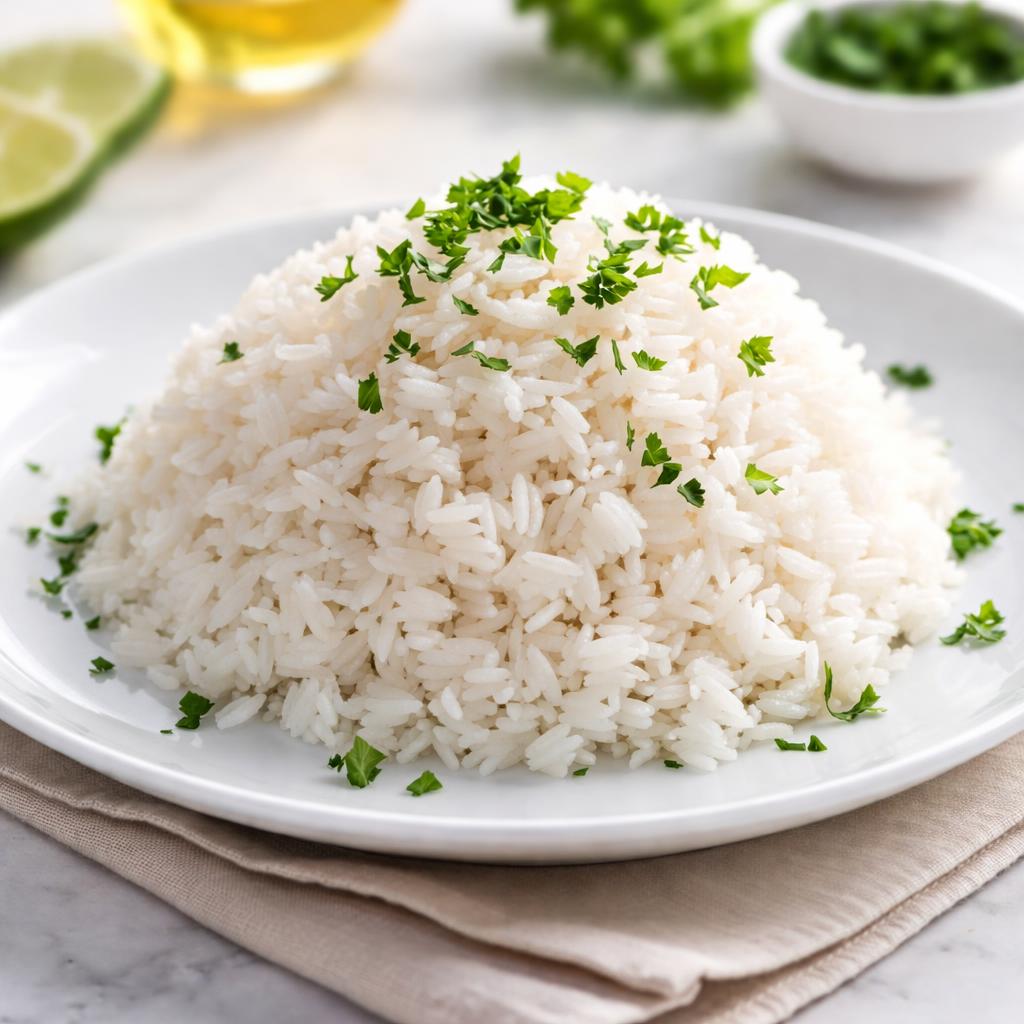
Rice
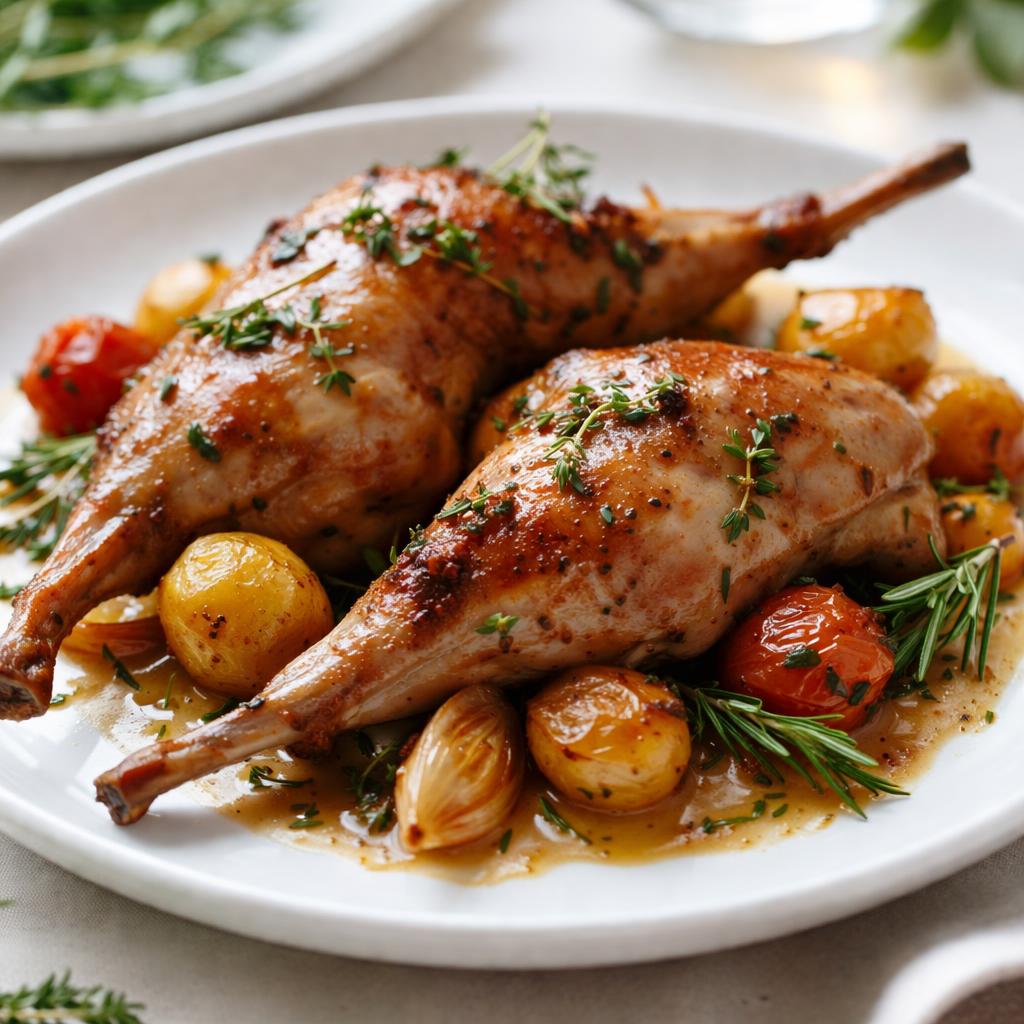
Rabbit
🎯 Quick Verdict
Rice and rabbit have vastly different nutritional profiles. Rabbit is far superior in protein, with very low carbs and fat, making it ideal for high-protein, low-carb diets. On the other hand, rice is a carbohydrate-heavy food with moderate fiber, suited for sustained energy and vegan diets. Choose based on dietary goals—energy and carbs vs protein and low-calorie options.

Smart Nutrition Tracking with SnapCalorie

📊 Nutritional Comparison
Macronutrients
| Nutrient | Food 1 | Food 2 | Winner |
|---|---|---|---|
| Calories | 130 kcal per 1 cup cooked | 206 kcal per 100g | ✓ |
| Protein | 2.7g per 1 cup cooked | 33.1g per 100g | ✓ |
| Carbs | 28g per 1 cup cooked | 0g per 100g | ✓ |
| Fat | 0.3g per 1 cup cooked | 3.5g per 100g | ✓ |
| Fiber | 0.6g per 1 cup cooked | 0g per 100g | ✓ |
Vitamins & Minerals
| Nutrient | Food 1 | Food 2 | Winner |
|---|---|---|---|
| Vitamin D | 0mcg | 0.4mcg per 100g | ✓ |
| Calcium | 10mg per 1 cup cooked | 15mg per 100g | ✓ |
| Iron | 0.2mg per 1 cup cooked | 2.3mg per 100g | ✓ |
🏆 Category Winners
Protein
Rabbit has over 12 times more protein per serving compared to rice.
Fiber
Rice provides 0.6g of fiber per serving, while rabbit has none.
Calories
Rice has fewer calories per serving.
Vitamins
Rabbit provides more Vitamin D, Calcium, and Iron per serving.
🥗 Diet Compatibility
Keto
Food 1: Not Compatible
Food 2: Compatible
Rabbit is low-carb and high-protein, suitable for keto diets.
Vegan
Food 1: Compatible
Food 2: Not Compatible
Rice is a plant-based food.
Gluten Free
Food 1: Compatible
Food 2: Compatible
Neither rice nor rabbit contains gluten.
Paleo
Food 1: Not Compatible
Food 2: Compatible
Rabbit aligns with paleo dietary principles, while rice does not.
Low-Carb
Food 1: Not Compatible
Food 2: Compatible
Rabbit has 0 carbs per serving, but rice is carbohydrate-dense.
💪 Health Benefits Comparison
Food 1 Benefits
- Provides sustained energy through complex carbohydrates
- Low in fat, supportive for low-fat diets
- Plant-based and suitable for vegan diets
Food 2 Benefits
- High in protein for muscle building and repair
- Rich in iron, which supports healthy blood and oxygen transport
- Low carb and calorie profile ideal for weight loss
✅ The Bottom Line
Choose rice for energy and plant-based meals, or rabbit for high-protein, nutrient-dense meals in low-carb or keto diets. Each food serves distinct dietary needs and complements different lifestyle goals.
Choose Food 1 for: Vegan diets, quick energy, carb-loading for endurance athletes
Choose Food 2 for: Keto diets, weight loss, muscle repair/recovery


