Rice VS Provolone
A detailed nutritional comparison
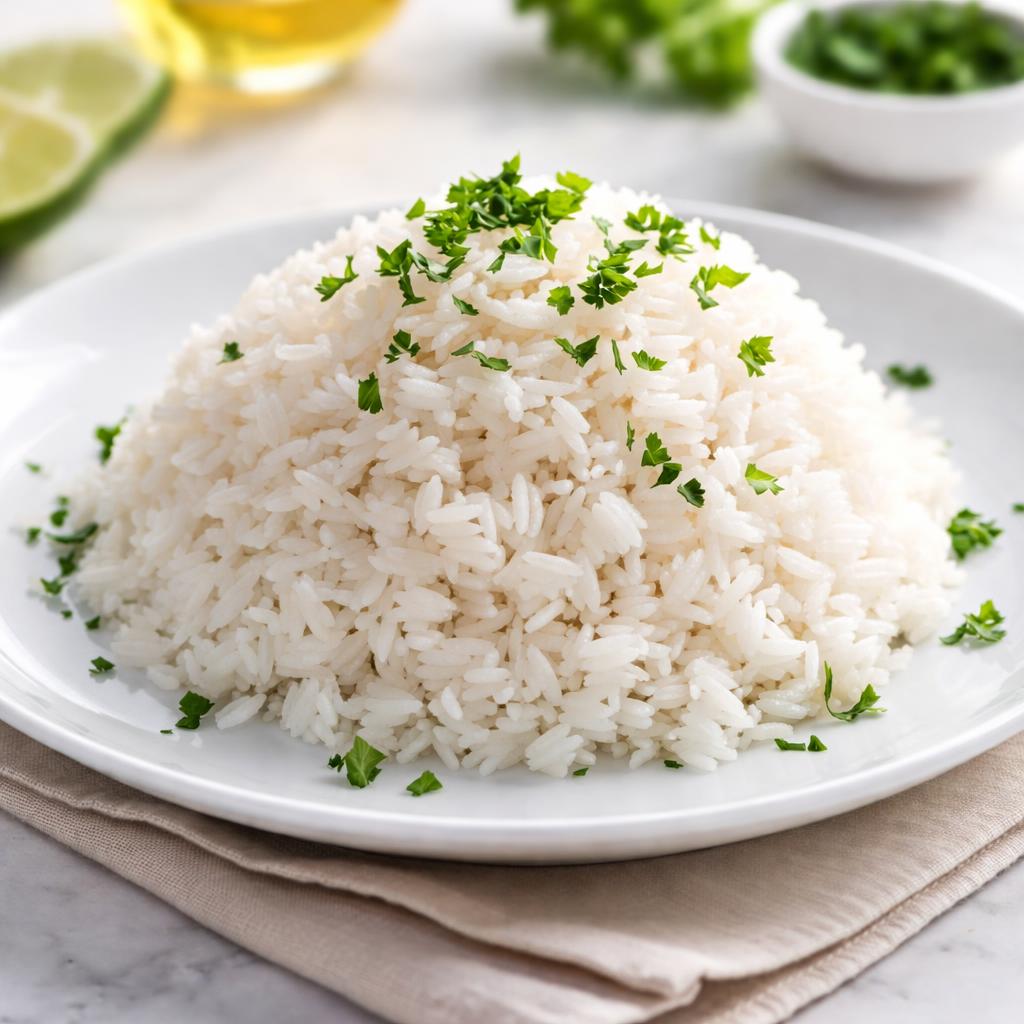
Rice
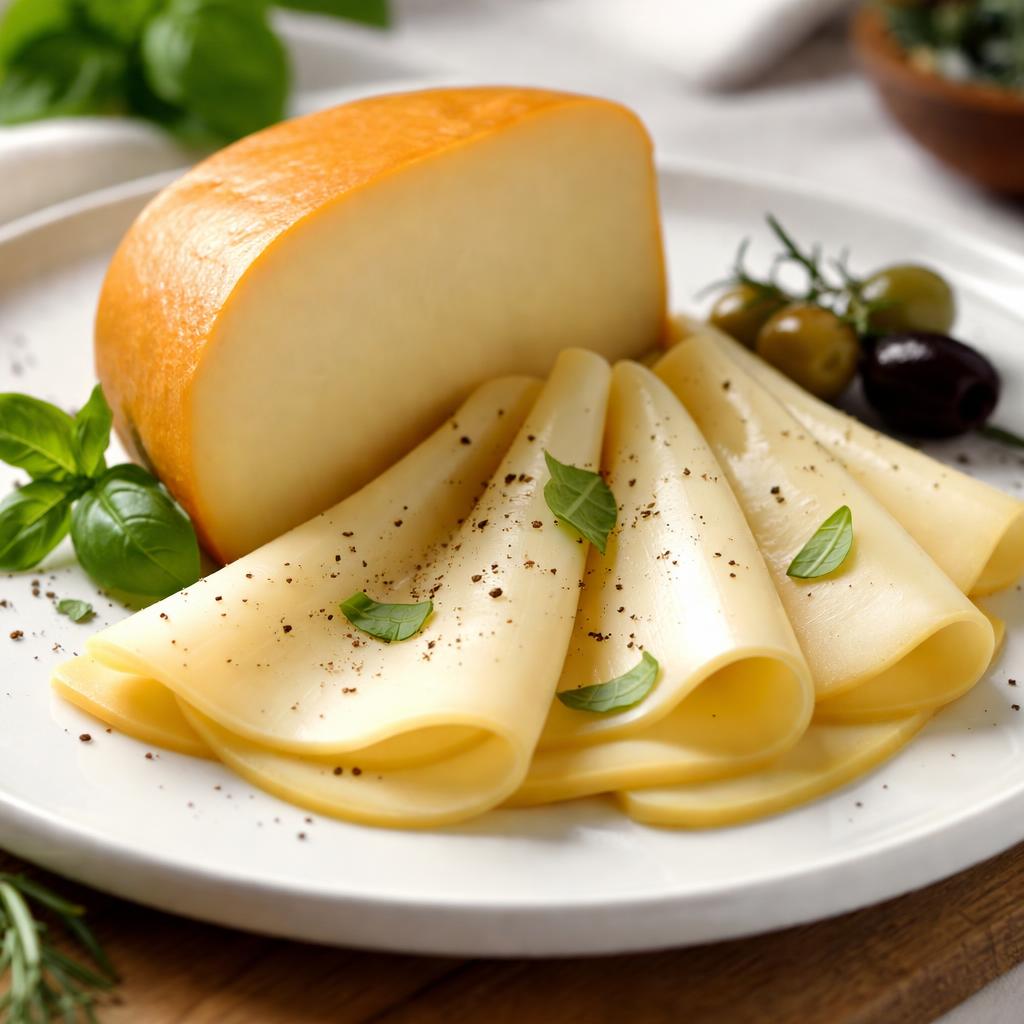
Provolone
🎯 Quick Verdict
Rice and provolone cheese differ significantly in their nutritional profiles. Provolone is rich in protein, calcium, and fats, making it ideal for building or maintaining muscle, while rice is lower in calories and fat, and provides fiber and carbohydrates, useful for energy and digestion. Choose rice for a lighter option and provolone for a protein boost or calcium intake.

Smart Nutrition Tracking with SnapCalorie

📊 Nutritional Comparison
Macronutrients
| Nutrient | Food 1 | Food 2 | Winner |
|---|---|---|---|
| Calories | 130 | 100 | ✓ |
| Protein | 2.7g | 7g | ✓ |
| Carbs | 28g | 1g | ✓ |
| Fat | 0.3g | 7g | ✓ |
| Fiber | 1g | 0g | ✓ |
Vitamins & Minerals
| Nutrient | Food 1 | Food 2 | Winner |
|---|---|---|---|
| Vitamin D | 0mcg | 0.2mcg | ✓ |
| Calcium | 10mg | 200mg | ✓ |
| Iron | 0.2mg | 0.1mg | ✓ |
🏆 Category Winners
Protein
Provolone has more than twice the protein content of rice per serving.
Fiber
Rice contains 1g of fiber, whereas provolone does not provide any fiber.
Calories
Provolone contains slightly fewer calories per serving than rice.
🥗 Diet Compatibility
Keto
Food 1: Not Compatible
Food 2: Compatible
Provolone is low-carb, while rice is high-carb.
Vegan
Food 1: Compatible
Food 2: Not Compatible
Rice is plant-based, while provolone is made from dairy.
Gluten Free
Food 1: Compatible
Food 2: Compatible
Neither food contains gluten.
Paleo
Food 1: Compatible
Food 2: Not Compatible
Rice fits the paleo diet; provolone does not due to its dairy content.
Low Carb
Food 1: Not Compatible
Food 2: Compatible
Provolone is low-carb with only 1g carbs, while rice contains 28g carbs per serving.
💪 Health Benefits Comparison
Food 1 Benefits
- Provides sustained energy due to its carbohydrate content.
- Low in fat, making it a lighter choice.
- Contains fiber for better digestion and gut health.
Food 2 Benefits
- High in protein to support muscle maintenance and growth.
- Rich in calcium, promoting bone health.
- Contains healthy fats for energy and satiety.
✅ The Bottom Line
Rice is ideal for those seeking a plant-based energy source with a lower fat content, while provolone cheese is a better choice if you need a protein boost or calcium intake in a low-carb diet. Both foods fulfill different dietary roles depending on your health and lifestyle goals.
Choose Food 1 for: Energy boost, vegan diets, digestion support
Choose Food 2 for: Protein-rich diets, keto diets, bone strength


