Rice VS Pickled Cabbage
A detailed nutritional comparison
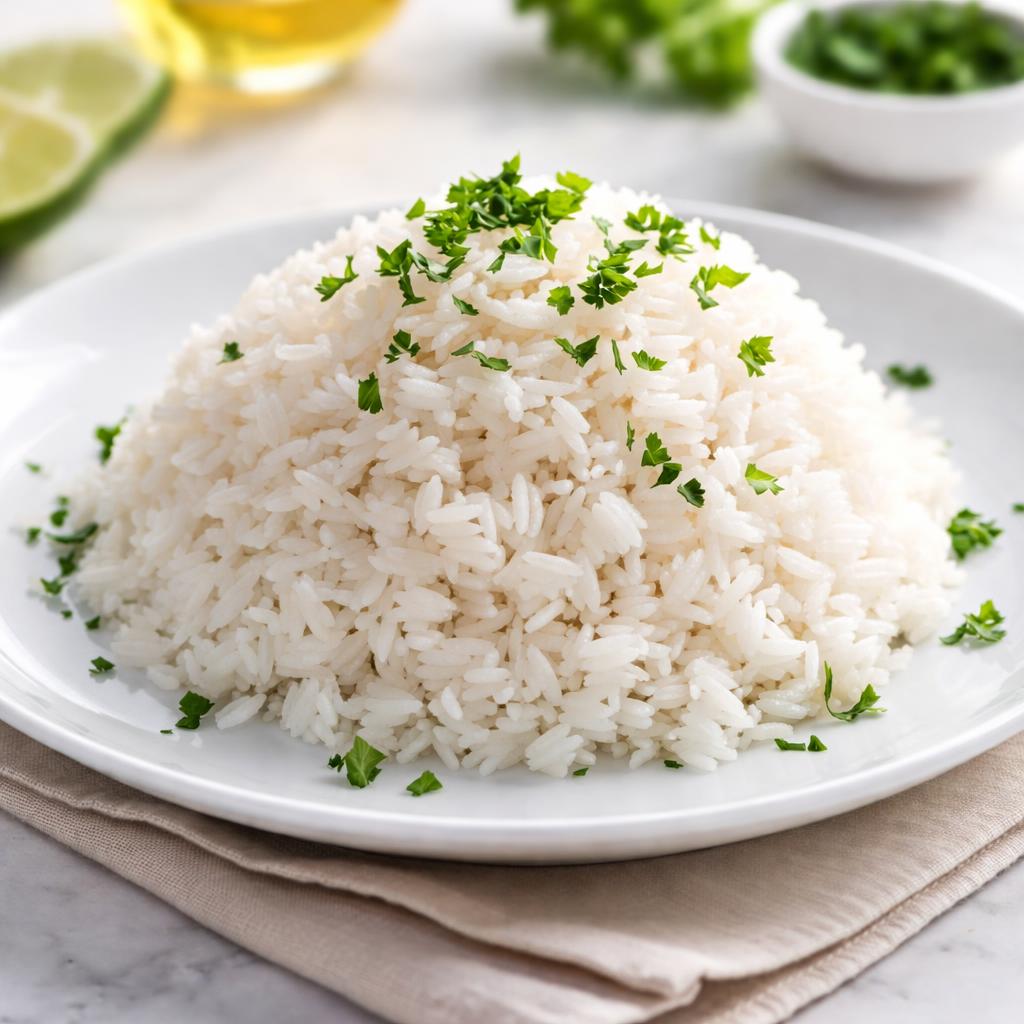
Rice
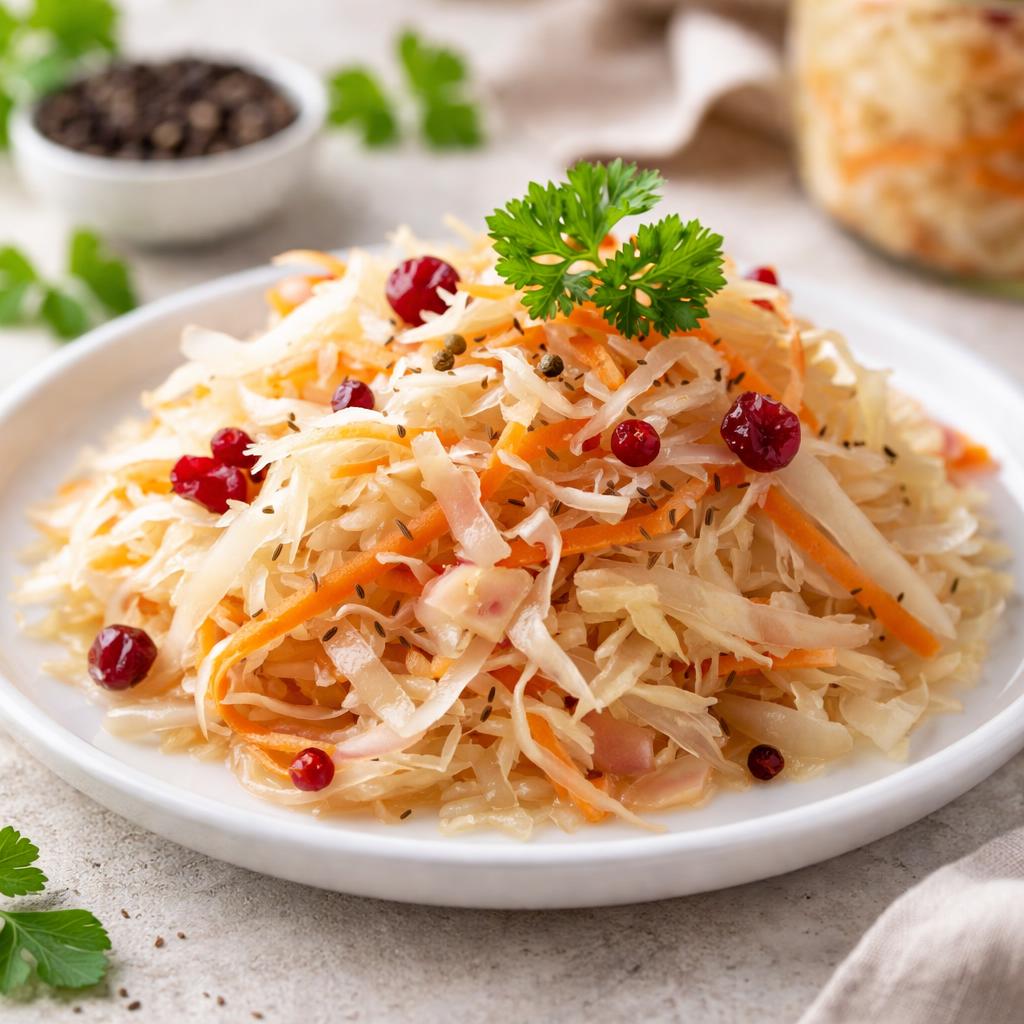
Pickled Cabbage
🎯 Quick Verdict
Rice is a high-carbohydrate staple ideal for energy and bulk in meals, while pickled cabbage is a low-calorie, high-fiber fermented food rich in probiotics. Rice suits active lifestyles requiring energy, whereas pickled cabbage is excellent for digestion and gut health. Both are versatile but serve different dietary roles.

Smart Nutrition Tracking with SnapCalorie

📊 Nutritional Comparison
Macronutrients
| Nutrient | Food 1 | Food 2 | Winner |
|---|---|---|---|
| Calories | 130 (per 1 cup cooked white rice) | 20 (per 1 cup pickled cabbage) | ✓ |
| Protein | 2.7g | 0.9g | − |
| Carbs | 28g | 5g | ✓ |
| Fat | 0.3g | 0.1g | ✓ |
| Fiber | 0.4g | 2g | ✓ |
Vitamins & Minerals
| Nutrient | Food 1 | Food 2 | Winner |
|---|---|---|---|
| Vitamin C | 0mg | 14mg (15% DV) | ✓ |
| Vitamin K | 0mcg | 130mcg (108% DV) | ✓ |
| Calcium | 10mg | 30mg | ✓ |
| Iron | 0.2mg | 0.6mg | ✓ |
🏆 Category Winners
Protein
Both foods contain minimal protein per serving.
Fiber
Pickled cabbage has 5x more fiber than rice.
Calories
Pickled cabbage is significantly lower in calories.
Vitamins
Pickled cabbage is notably rich in vitamin C and K, which rice lacks.
🥗 Diet Compatibility
Keto
Food 1: Not Compatible
Food 2: Compatible
Rice is high-carb, whereas pickled cabbage is low-carb.
Vegan
Food 1: Compatible
Food 2: Compatible
Both foods are plant-based.
Gluten Free
Food 1: Compatible
Food 2: Compatible
Neither food contains gluten.
Paleo
Food 1: Not Compatible
Food 2: Compatible
Rice is excluded from paleo diets due to being a grain.
Low Carb
Food 1: Not Compatible
Food 2: Compatible
Rice is too high in carbs for low-carb diets.
💪 Health Benefits Comparison
Food 1 Benefits
- Provides quick energy from carbohydrates
- Serves as a neutral base for diverse meals
- Easy to digest, suitable for sensitive stomachs
Food 2 Benefits
- Rich in probiotics for gut health
- High in fiber for improved digestion
- Loaded with vitamin C to support immunity
- Contains vitamin K for healthy bones and blood clotting
✅ The Bottom Line
Rice and pickled cabbage serve different dietary purposes. Rice is ideal for energy and pairing with protein-rich foods, while pickled cabbage contributes significantly to digestion and nutrient density. Choose rice for active days when energy demands are high, and pickled cabbage for improving gut health and enhancing meals with low-calorie crunch.
Choose Food 1 for: Energy, high-carbohydrate meals, post-workout recovery
Choose Food 2 for: Gut health, low-calorie diets, nutrient-dense snacks or sides


