Rice VS Pb Fit
A detailed nutritional comparison
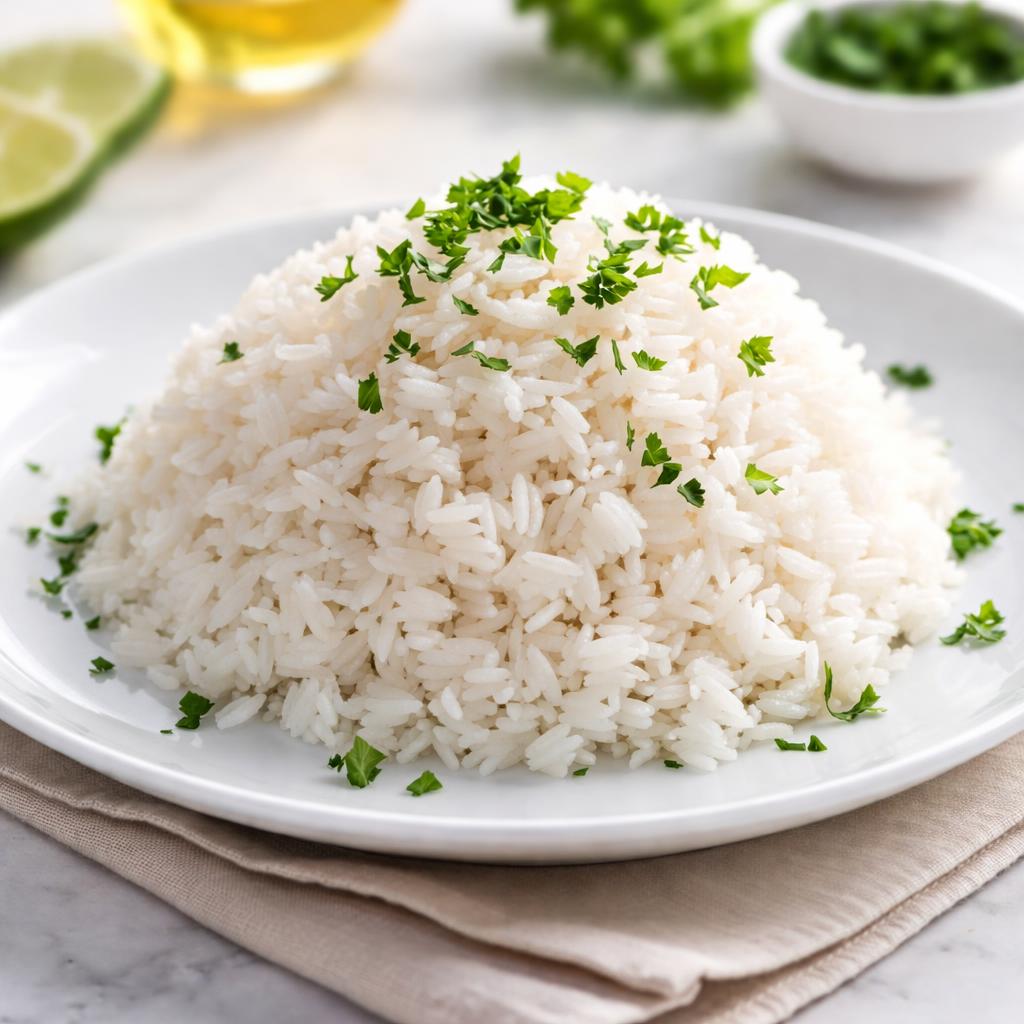
Rice
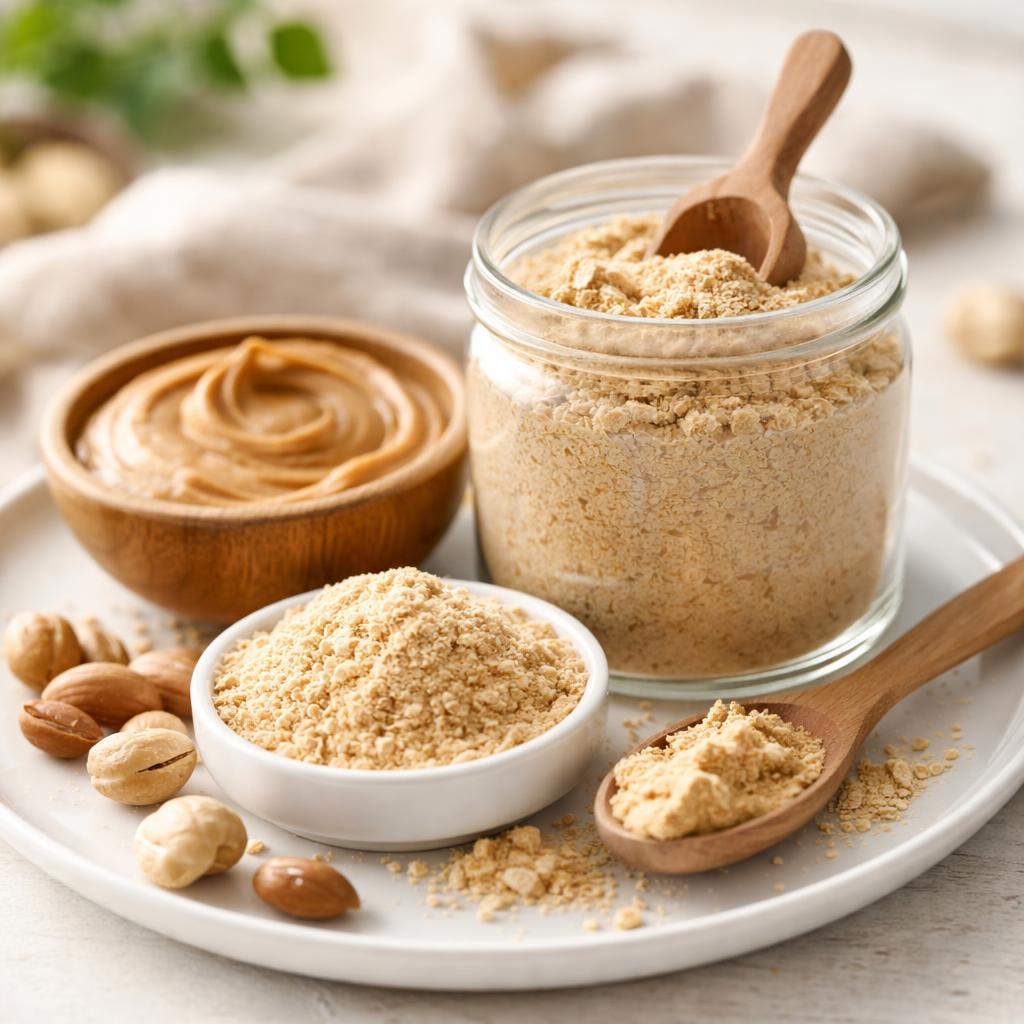
Pb Fit
🎯 Quick Verdict
PB Fit has significantly more protein and fiber, making it ideal for high-protein diets. Rice contains fewer calories and is a better energy source with a higher carbohydrate content, suitable for refueling and sustained energy needs. Each food serves distinct purposes depending on dietary goals.

Smart Nutrition Tracking with SnapCalorie

📊 Nutritional Comparison
Macronutrients
| Nutrient | Food 1 | Food 2 | Winner |
|---|---|---|---|
| Calories | 130 per 100g cooked white rice | 50 per 2 tbsp PB Fit | ✓ |
| Protein | 2.7g | 6g | ✓ |
| Carbs | 28g | 4g | ✓ |
| Fat | 0.3g | 1.5g | ✓ |
| Fiber | 0.4g | 2g | ✓ |
Vitamins & Minerals
| Nutrient | Food 1 | Food 2 | Winner |
|---|---|---|---|
| Vitamin D | 0mcg | 0mcg | − |
| Calcium | 10mg | 50mg | ✓ |
| Iron | 0.2mg | 0.4mg | ✓ |
🏆 Category Winners
Protein
PB Fit contains over twice the protein per serving compared to rice.
Fiber
PB Fit has 5x more fiber than rice, enhancing digestion.
Calories
PB Fit is lower in calories (50 per serving compared to 130 for rice).
🥗 Diet Compatibility
Keto
Food 1: Not Compatible
Food 2: Compatible
Rice is high in carbs (28g per serving), whereas PB Fit is low-carb.
Vegan
Food 1: Compatible
Food 2: Compatible
Both foods are plant-based and suitable for vegan diets.
Gluten Free
Food 1: Compatible
Food 2: Compatible
Neither contains gluten, making them safe for gluten-free diets.
Paleo
Food 1: Compatible
Food 2: Not Compatible
Rice is a whole food and acceptable in paleo diets, but PB Fit is processed.
Low-Carb
Food 1: Not Compatible
Food 2: Compatible
PB Fit is low-carb with only 4g carbs per serving, whereas rice is high in carbs.
💪 Health Benefits Comparison
Food 1 Benefits
- Provides quick energy due to its high carbohydrate content
- Low in fat, suitable for low-fat diets
- Easily digestible, ideal for sensitive stomachs
Food 2 Benefits
- High protein content supports muscle building and maintenance
- Rich in fiber, benefiting digestion and satiety
- Low in calories, perfect for weight loss strategies
✅ The Bottom Line
PB Fit is better suited for high-protein, low-carb diets or weight loss goals, while rice is ideal for energy needs, meal prepping, or as a carb source for athletes. Both foods provide unique benefits and align with different dietary purposes.
Choose Food 1 for: Refueling carbs, athletes, quick digestion
Choose Food 2 for: Weight loss, high protein diets, keto-friendly snacks


