Rice VS Parsnips
A detailed nutritional comparison
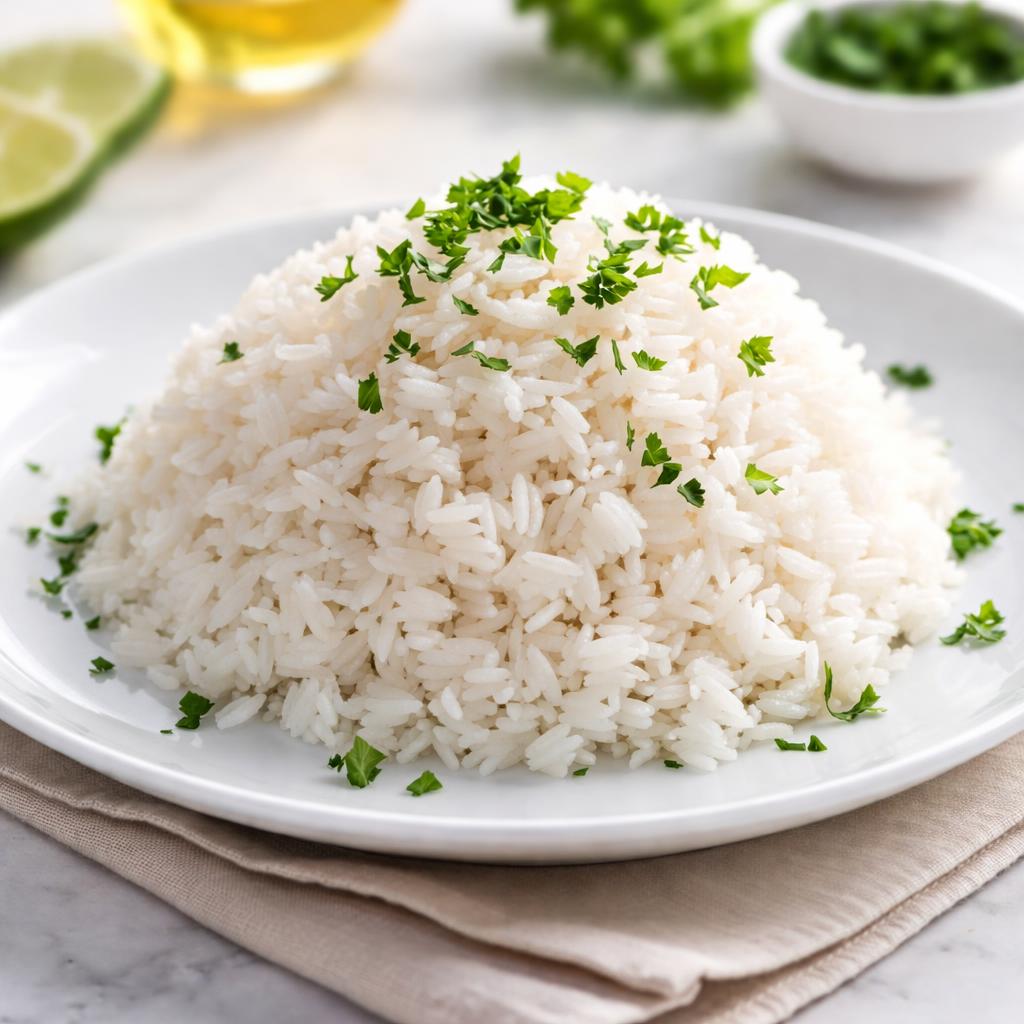
Rice
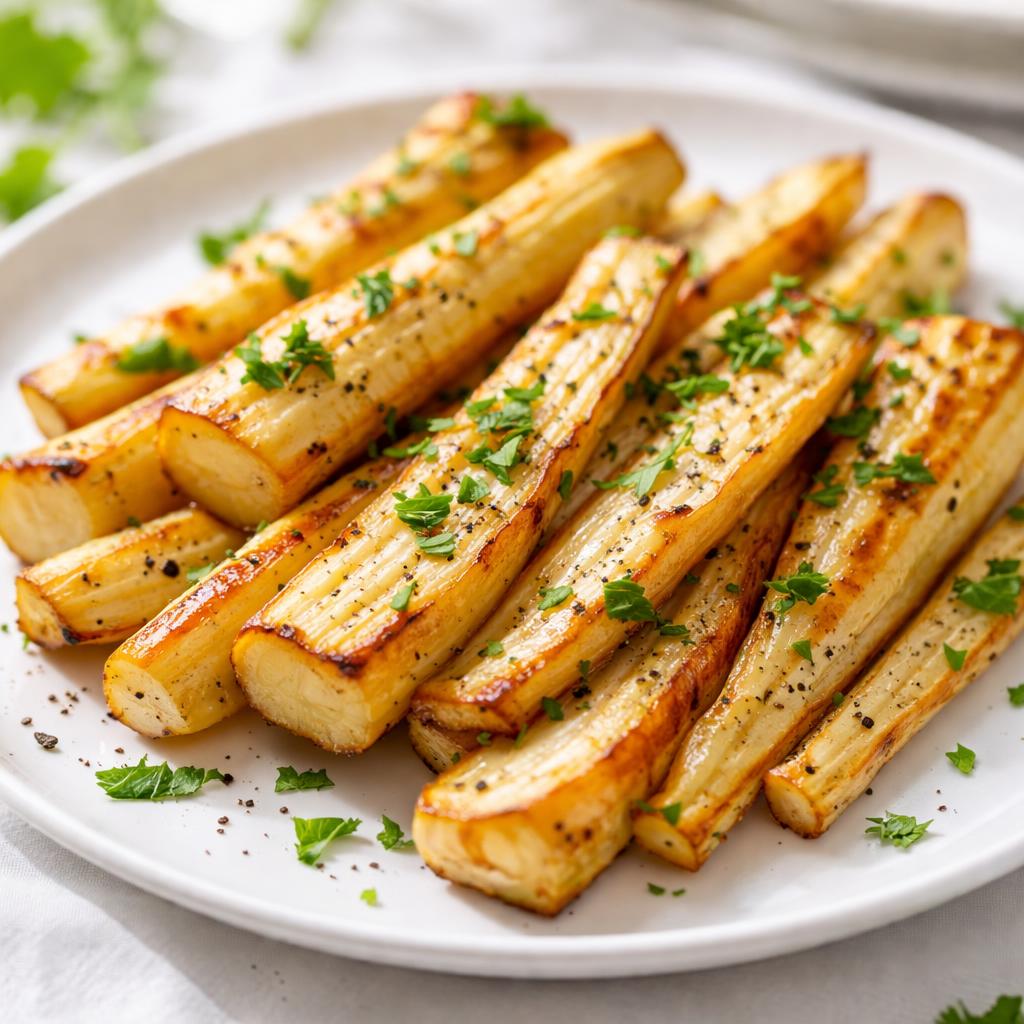
Parsnips
🎯 Quick Verdict
Rice and parsnips offer distinct nutritional profiles. Rice is more calorie-dense, has more protein, and is excellent for energy and recovery. Parsnips are higher in fiber and richer in vitamins and minerals like Vitamin C and potassium, making them ideal for digestion and nutrient density. Choose rice for workout fuel and parsnips for gut health and micronutrients.

Smart Nutrition Tracking with SnapCalorie

📊 Nutritional Comparison
Macronutrients
| Nutrient | Food 1 | Food 2 | Winner |
|---|---|---|---|
| Calories | 206 (1 cup cooked) | 100 (1 cup cooked) | ✓ |
| Protein | 4.25g (1 cup cooked) | 1.5g (1 cup cooked) | ✓ |
| Carbs | 44.5g (1 cup cooked) | 24g (1 cup cooked) | ✓ |
| Fat | 0.4g (1 cup cooked) | 0.3g (1 cup cooked) | − |
| Fiber | 0.6g (1 cup cooked) | 3.5g (1 cup cooked) | ✓ |
Vitamins & Minerals
| Nutrient | Food 1 | Food 2 | Winner |
|---|---|---|---|
| Vitamin C | 0mg | 23mg (1 cup cooked) | ✓ |
| Potassium | 55mg (1 cup cooked) | 570mg (1 cup cooked) | ✓ |
| Vitamin B6 | 0.1mg (1 cup cooked) | 0.6mg (1 cup cooked) | ✓ |
🏆 Category Winners
Protein
Rice contains nearly 3x more protein per serving compared to parsnips.
Fiber
Parsnips are significantly higher in dietary fiber, aiding digestion.
Calories
Parsnips have half the calorie count of rice, making them lower-calorie.
🥗 Diet Compatibility
Keto
Food 1: Not Compatible
Food 2: Not Compatible
Both foods are relatively high in carbohydrates.
Vegan
Food 1: Compatible
Food 2: Compatible
Both are plant-based foods.
Gluten Free
Food 1: Compatible
Food 2: Compatible
Neither contain gluten.
Paleo
Food 1: Compatible
Food 2: Compatible
Both fit well within Paleo guidelines.
Low-Carb
Food 1: Not Compatible
Food 2: Not Compatible
Both have a high carbohydrate content per serving.
💪 Health Benefits Comparison
Food 1 Benefits
- Provides quick energy due to high carbohydrate content
- Good post-workout meal to replenish glycogen stores
- Low in fat, making it suitable for low-fat diets
Food 2 Benefits
- Rich in fiber for improved digestion
- Excellent source of potassium for heart health
- Contains Vitamin C to support immunity and skin health
- Antioxidant-rich helping to reduce inflammation
✅ The Bottom Line
Choose rice for energy-dense meals, particularly after workouts or when carbohydrate replenishment is needed. Opt for parsnips to boost fiber intake, improve digestion, and increase your micronutrient consumption. Both can complement different dietary goals based on use-cases.
Choose Food 1 for: Post-workout recovery, high-energy meals, meal prepping
Choose Food 2 for: Gut health, nutrient density, lower-calorie diets


