Rice VS Pancake
A detailed nutritional comparison
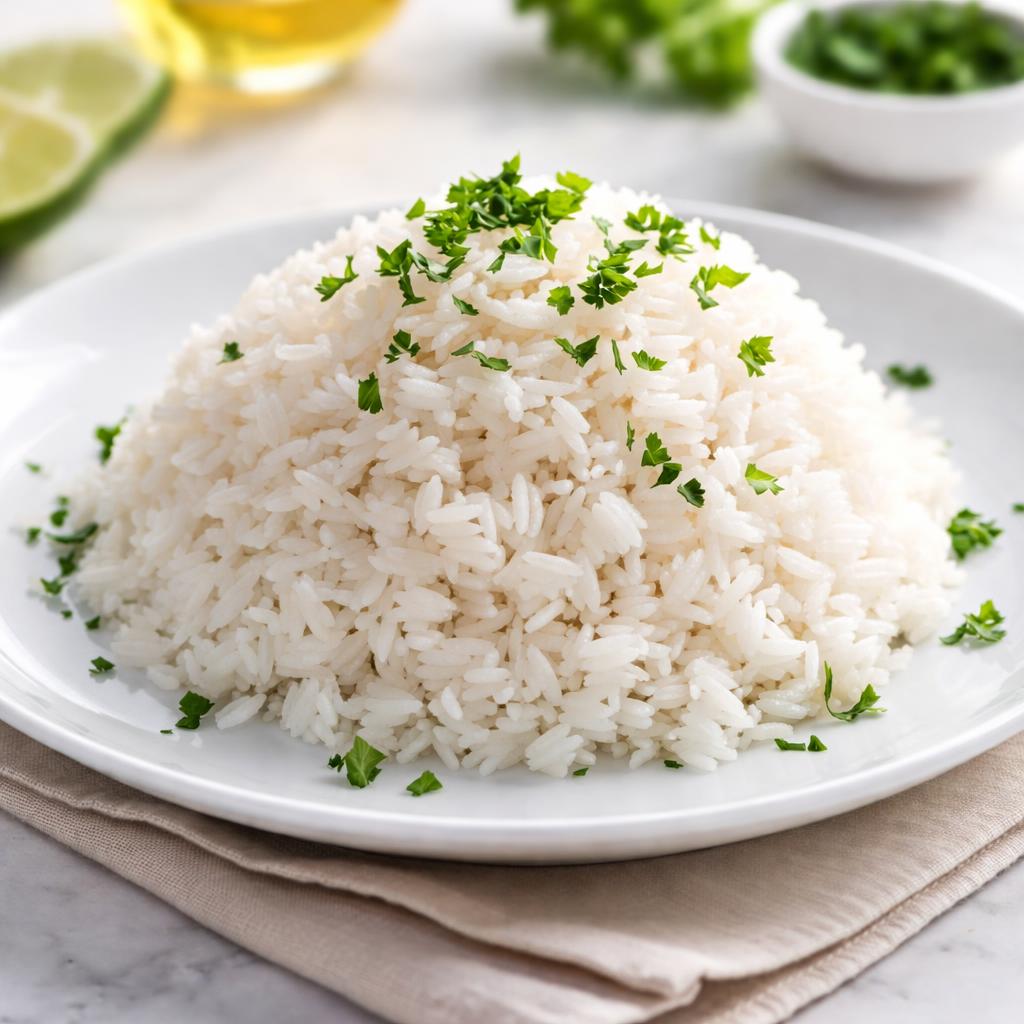
Rice
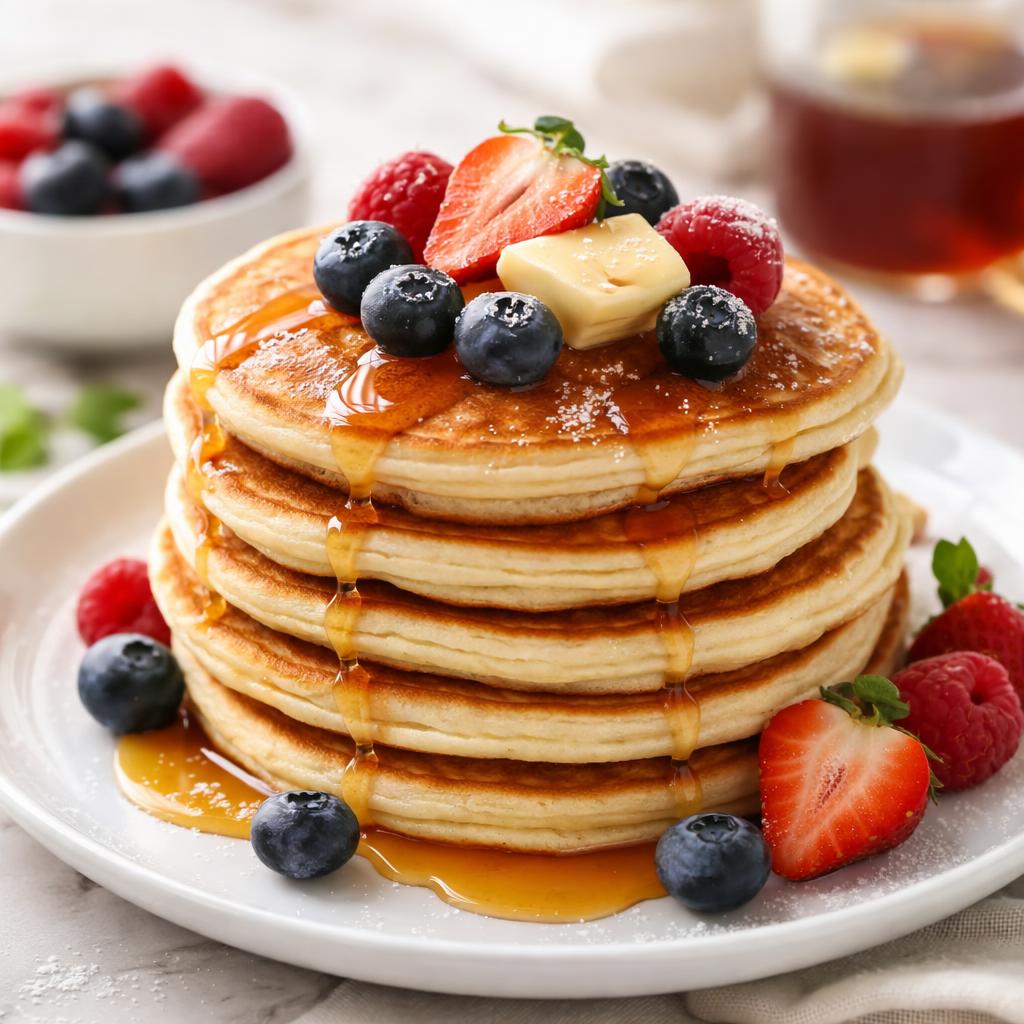
Pancake
🎯 Quick Verdict
Rice and pancakes are nutritionally distinct foods suited for different purposes. Rice is lower in calories and contains more fiber, making it ideal for lighter meals. Pancakes, however, provide more protein and are generally better for individuals looking for energy-rich and versatile foods. Both serve their roles depending on dietary goals and activities.

Smart Nutrition Tracking with SnapCalorie

📊 Nutritional Comparison
Macronutrients
| Nutrient | Food 1 | Food 2 | Winner |
|---|---|---|---|
| Calories | 130 | 210 | ✓ |
| Protein | 3g | 5g | ✓ |
| Carbs | 28g | 38g | ✓ |
| Fat | 0.3g | 8g | ✓ |
| Fiber | 0.9g | 0.4g | ✓ |
Vitamins & Minerals
| Nutrient | Food 1 | Food 2 | Winner |
|---|---|---|---|
| Vitamin D | 0mcg | 1mcg | ✓ |
| Calcium | 10mg | 52mg | ✓ |
| Iron | 0.2mg | 1.5mg | ✓ |
🏆 Category Winners
Protein
Pancakes have 66% more protein per serving.
Fiber
Rice has over double the fiber content of pancakes.
Calories
Rice contains 38% fewer calories than pancakes.
Vitamins
Pancakes provide higher amounts of Vitamin D, calcium, and iron compared to rice.
🥗 Diet Compatibility
Keto
Food 1: Not Compatible
Food 2: Not Compatible
Both foods are high in carbs.
Vegan
Food 1: Compatible
Food 2: Compatible if made without eggs or dairy
Rice is naturally vegan, and pancakes can be vegan depending on preparation.
Gluten Free
Food 1: Compatible
Food 2: Compatible if made with gluten-free flour
Rice is naturally gluten-free, while pancake compatibility depends on ingredients.
Paleo
Food 1: Compatible
Food 2: Not Compatible
Rice is permitted in strict paleo diets, but pancakes typically contain processed ingredients.
Low-Carb
Food 1: Not Compatible
Food 2: Not Compatible
Both foods are relatively high in carbohydrates.
💪 Health Benefits Comparison
Food 1 Benefits
- Low in calories, ideal for weight management
- Gluten-free and easy to digest
- Provides essential energy with moderate carbs
Food 2 Benefits
- Higher in protein to support muscle repair
- Good source of iron for oxygen transport
- Rich in calcium for strong bones
✅ The Bottom Line
Rice is a lighter, nutrient-dense option for meals focused on calorie control and fiber. Pancakes serve as a higher-protein and more versatile food, suitable for energy-dense breakfasts or snacks. Choice depends on dietary needs and activity levels.
Choose Food 1 for: Weight loss, light meals, gluten-free diets
Choose Food 2 for: High-protein needs, energy-rich breakfasts, nutrient diversity


