Rice VS Oyster
A detailed nutritional comparison
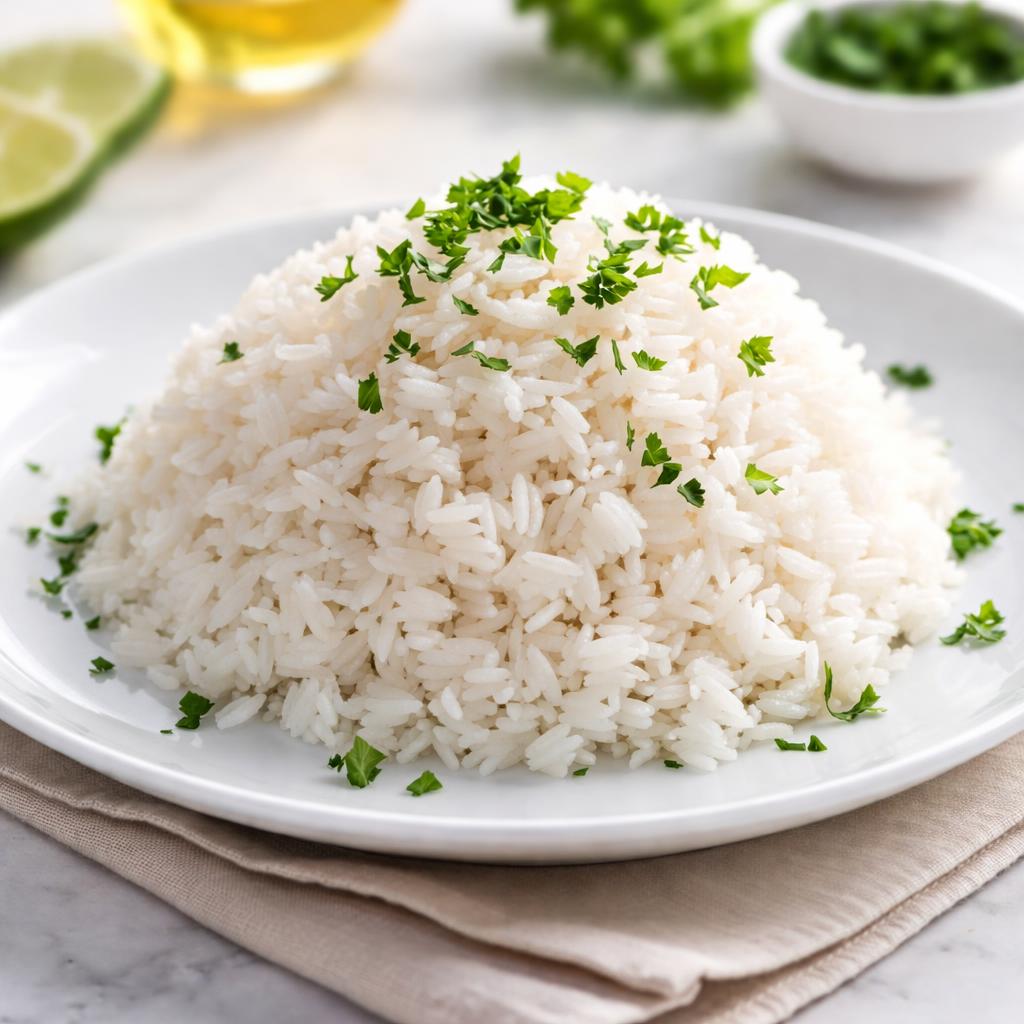
Rice
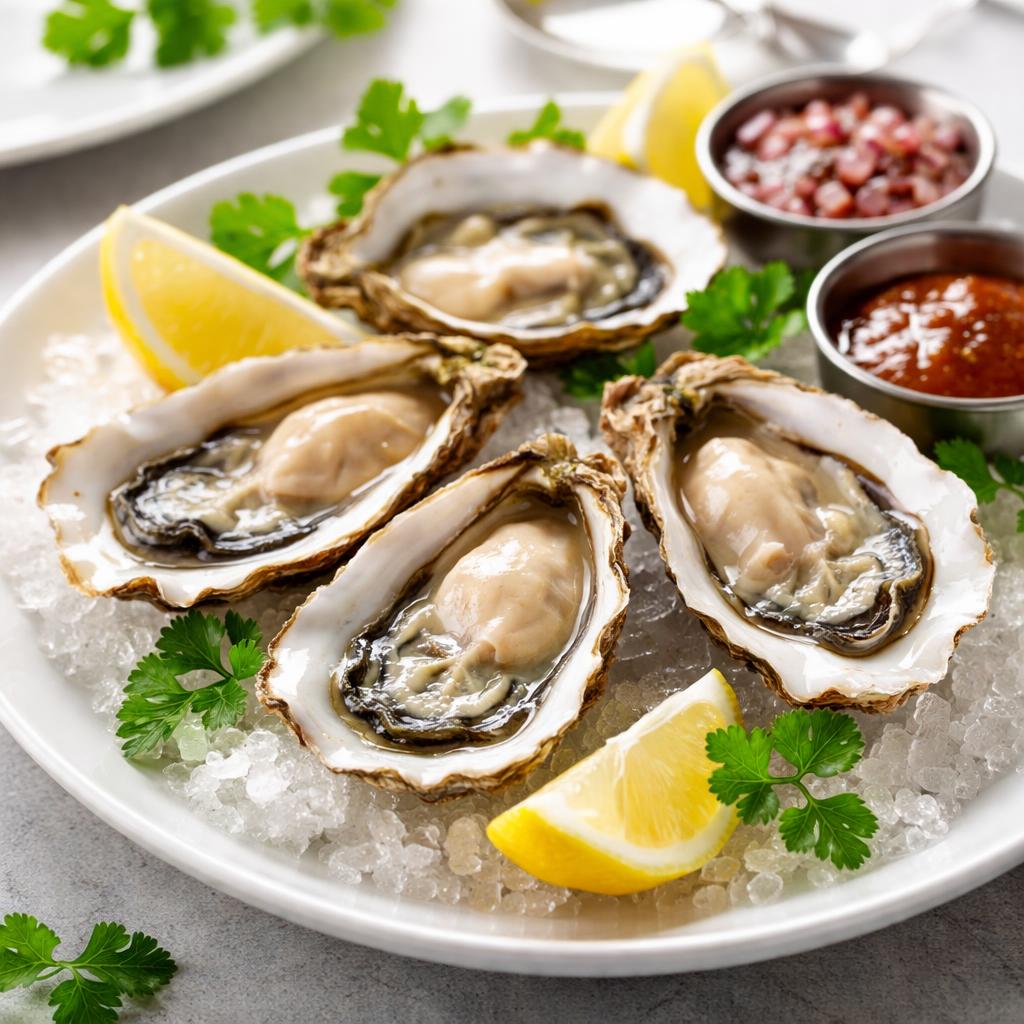
Oyster
🎯 Quick Verdict
Oysters (Food 2) are packed with protein, minerals, and have significantly fewer calories, making them a nutrient-dense choice. Rice (Food 1) is primarily a carbohydrate source, offering higher fiber content, making it better for energy and digestion. Choose oysters for lower-calorie, high-protein meals and rice for sustained energy.

Smart Nutrition Tracking with SnapCalorie

📊 Nutritional Comparison
Macronutrients
| Nutrient | Food 1 | Food 2 | Winner |
|---|---|---|---|
| Calories | 130 | 68 | ✓ |
| Protein | 2.7g | 7g | ✓ |
| Carbs | 28g | 4g | ✓ |
| Fat | 0.3g | 2g | ✓ |
| Fiber | 0.4g | 0g | ✓ |
Vitamins & Minerals
| Nutrient | Food 1 | Food 2 | Winner |
|---|---|---|---|
| Vitamin D | 0mcg | 16mcg | ✓ |
| Calcium | 10mg | 100mg | ✓ |
| Iron | 0.2mg | 5.5mg | ✓ |
🏆 Category Winners
Protein
Oysters contain more than double the protein of rice per serving.
Fiber
Rice provides 0.4g of fiber compared to no fiber in oysters.
Calories
Oysters have almost 50% fewer calories than rice.
🥗 Diet Compatibility
Keto
Food 1: Not Compatible
Food 2: Compatible
Oysters are low-carb, while rice is high in carbs.
Vegan
Food 1: Compatible
Food 2: Not Compatible
Rice is plant-based; oysters are animal-sourced.
Gluten Free
Food 1: Compatible
Food 2: Compatible
Neither contain gluten.
Paleo
Food 1: Not Compatible
Food 2: Compatible
Oysters align with paleo guidelines, while rice does not.
Low Carb
Food 1: Not Compatible
Food 2: Compatible
Rice is carbohydrate-heavy (28g per serving), while oysters are low-carb.
💪 Health Benefits Comparison
Food 1 Benefits
- Provides energy due to high carbohydrate content
- Contains small amounts of fiber to aid digestion
- Easy to digest, suitable for sensitive stomachs
Food 2 Benefits
- Rich source of protein to support muscle growth and repair
- High in iron for preventing anemia
- Good source of vitamin D for bone health and immune support
- Low-calorie option suitable for weight management
✅ The Bottom Line
Rice is ideal for a quick carbohydrate energy source, especially when paired with high-protein foods, while oysters offer a nutrient-dense option, perfect for those focusing on protein, essential minerals, and low calories. Choose rice for sustained energy or plant-based diets and oysters for nutrient density in a lower-calorie meal.
Choose Food 1 for: Energy source, vegan diets, pairing with other proteins
Choose Food 2 for: Weight loss, high-protein diets, mineral supplementation


