Rice VS Organic Blueberries
A detailed nutritional comparison
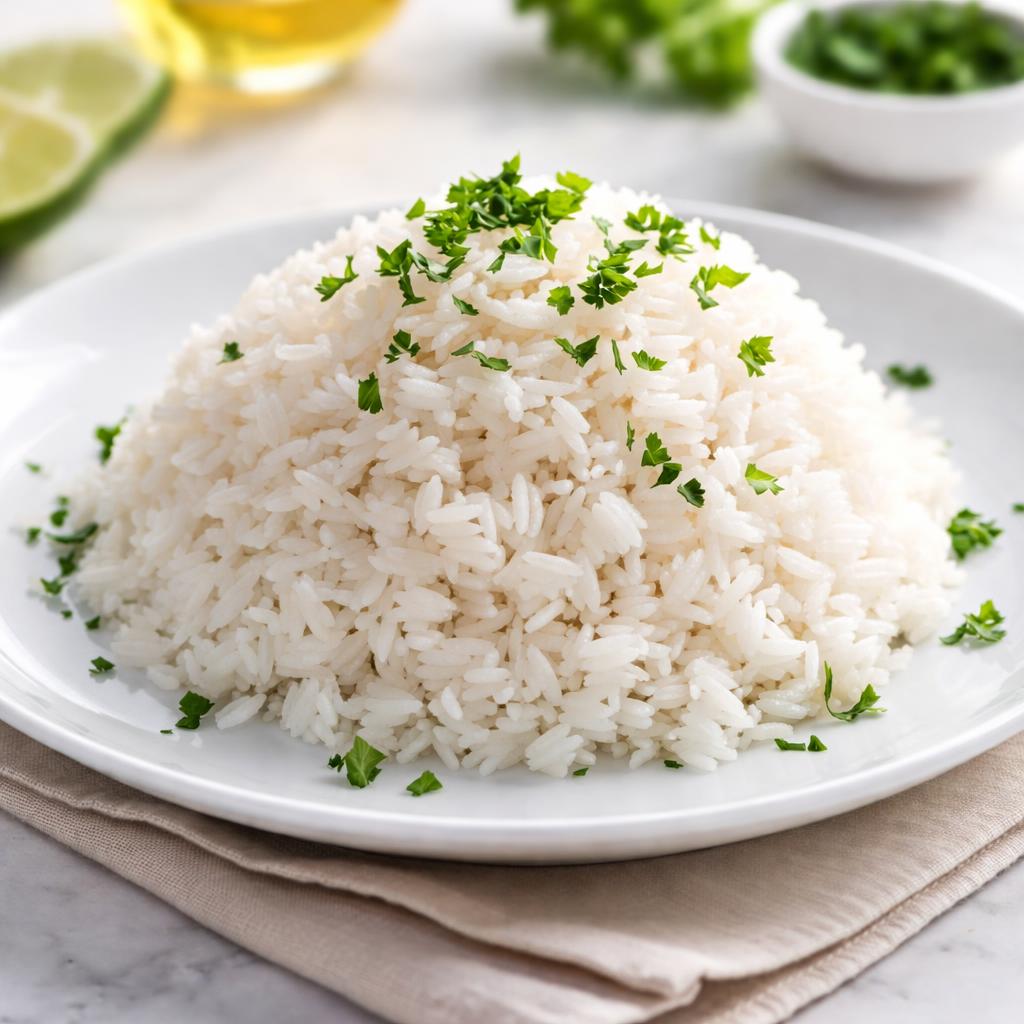
Rice
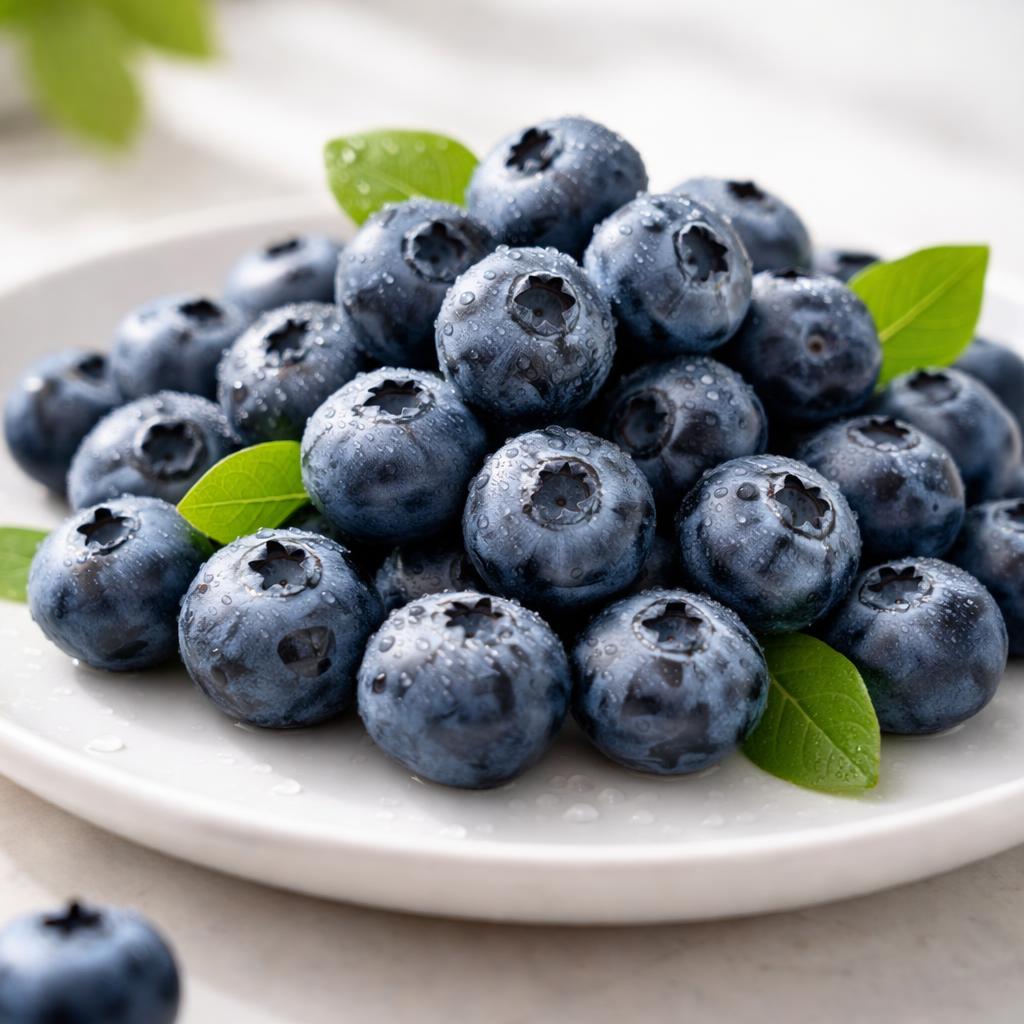
Organic Blueberries
🎯 Quick Verdict
Rice and organic blueberries differ significantly in their nutritional profiles. Rice is a higher-carbohydrate food with more protein, suitable for energy and meal bases. Organic blueberries stand out in fiber, lower calories, and antioxidants, making them ideal for snacking and overall health. Both are great, depending on dietary goals.

Smart Nutrition Tracking with SnapCalorie

📊 Nutritional Comparison
Macronutrients
| Nutrient | Food 1 | Food 2 | Winner |
|---|---|---|---|
| Calories | 130 per 1/2 cup cooked | 42 per 1/2 cup | ✓ |
| Protein | 2.7g per 1/2 cup cooked | 0.5g per 1/2 cup | ✓ |
| Carbs | 28g per 1/2 cup cooked | 10.5g per 1/2 cup | ✓ |
| Fat | 0.3g per 1/2 cup cooked | 0.2g per 1/2 cup | − |
| Fiber | 0.4g per 1/2 cup cooked | 1.8g per 1/2 cup | ✓ |
Vitamins & Minerals
| Nutrient | Food 1 | Food 2 | Winner |
|---|---|---|---|
| Vitamin C | 0mg | 9.7mg per 1/2 cup | ✓ |
| Vitamin K | 0.1mcg | 14mcg per 1/2 cup | ✓ |
| Potassium | 35mg | 71mg per 1/2 cup | ✓ |
| Iron | 1.2mg | 0.2mg per 1/2 cup | ✓ |
🏆 Category Winners
Protein
Rice provides more protein per serving, though the amount is modest.
Fiber
Blueberries provide over 4 times the fiber of rice per serving.
Calories
Blueberries are a lower-calorie option, ideal for weight loss.
Vitamins
Blueberries excel in Vitamin C, K, and antioxidants, making them nutrient-dense.
🥗 Diet Compatibility
Keto
Food 1: Not Compatible
Food 2: Compatible
Blueberries are lower in net carbs.
Vegan
Food 1: Compatible
Food 2: Compatible
Both foods are plant-based.
Gluten Free
Food 1: Compatible
Food 2: Compatible
Neither contains gluten.
Paleo
Food 1: Not Compatible
Food 2: Compatible
Blueberries align better with paleo principles.
Low Carb
Food 1: Not Compatible
Food 2: Compatible
Rice is high in carbohydrates, while blueberries remain low-carb.
💪 Health Benefits Comparison
Food 1 Benefits
- Provides sustained energy due to high carbohydrate content
- Contains iron for oxygen transport in the blood
- Easy to digest, making it gentle on the stomach
Food 2 Benefits
- Rich in antioxidants for cellular protection
- High in fiber to support digestive health
- Contains Vitamin C to boost immunity and skin health
- Low calorie snack for weight management
✅ The Bottom Line
Choose rice if you need energy-dense carbohydrates or a protein boost as part of a main meal. Opt for organic blueberries for snacking, antioxidants, and a fiber-rich addition to a healthy diet. Their pairing can complement each other depending on your dietary goals.
Choose Food 1 for: Meal bases, energy, moderate protein needs
Choose Food 2 for: Antioxidant boost, low-calorie snacks, digestive health


