Rice VS Oreo
A detailed nutritional comparison
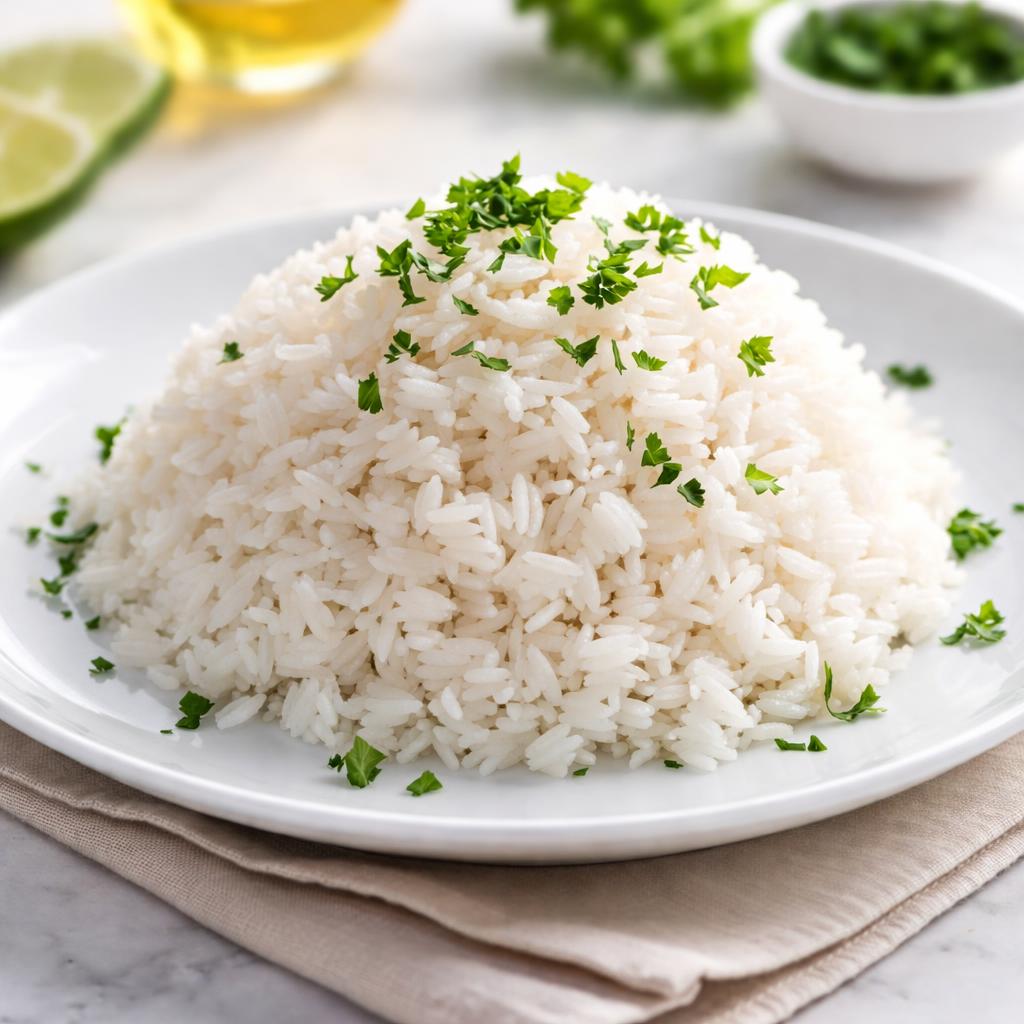
Rice

Oreo
🎯 Quick Verdict
Rice is a more balanced and nutritious carbohydrate source compared to Oreos. It is lower in calories, higher in protein, and provides more fiber and vitamins. Oreos, while tasty, are high in sugars and fats, making them better suited as a treat rather than a staple food item for most diets.

Smart Nutrition Tracking with SnapCalorie

📊 Nutritional Comparison
Macronutrients
| Nutrient | Food 1 | Food 2 | Winner |
|---|---|---|---|
| Calories | 130 per 100g | 480 per 100g | ✓ |
| Protein | 2.7g per 100g | 0.6g per 100g | ✓ |
| Carbs | 28g per 100g | 73g per 100g | ✓ |
| Fat | 0.3g per 100g | 21g per 100g | ✓ |
| Fiber | 0.4g per 100g | 1.5g per 100g | ✓ |
Vitamins & Minerals
| Nutrient | Food 1 | Food 2 | Winner |
|---|---|---|---|
| Vitamin D | 0mcg | 0mcg | − |
| Calcium | 10mg | 51mg | ✓ |
| Iron | 1mg | 3.6mg | ✓ |
🏆 Category Winners
Protein
Rice contains 350% more protein per serving than Oreos.
Fiber
Oreos have more fiber due to added ingredients.
Calories
Rice has 73% fewer calories than Oreos per 100g.
Vitamins
Oreos have slightly more calcium and iron due to fortified ingredients.
🥗 Diet Compatibility
Keto
Food 1: Not Compatible
Food 2: Not Compatible
Both are high in carbohydrates.
Vegan
Food 1: Compatible
Food 2: Compatible
Both are plant-based or can meet vegan requirements.
Gluten Free
Food 1: Compatible if using gluten-free rice
Food 2: Not Compatible
Oreos contain wheat flour which is not gluten-free.
Paleo
Food 1: Compatible
Food 2: Not Compatible
Rice is paleo-friendly, while Oreos contain processed ingredients and sugars.
Low-Carb
Food 1: Not Compatible
Food 2: Not Compatible
Both have significant amounts of carbs, exceeding low-carb diet guidelines.
💪 Health Benefits Comparison
Food 1 Benefits
- Low in fat and calories, making it suitable for weight management.
- Source of quick energy from complex carbohydrates.
- Good for digestion as it is easy on the stomach.
Food 2 Benefits
- Provides short-term energy boost due to high sugar content.
- Moderate levels of calcium and iron (when fortified).
- Convenient and enjoyable as an occasional treat.
✅ The Bottom Line
Rice is the better choice for everyday nutrition, especially for those looking to maintain a balanced diet, manage weight, or fuel workouts. Oreos, while enjoyable, are better suited as an occasional dessert or snack due to their high sugar and fat content.
Choose Food 1 for: Daily meals, energy without excessive calories, versatile cooking ingredient.
Choose Food 2 for: Indulgent treats, quick energy boosts, satisfying sweets cravings.


