Rice VS Onion Ring
A detailed nutritional comparison
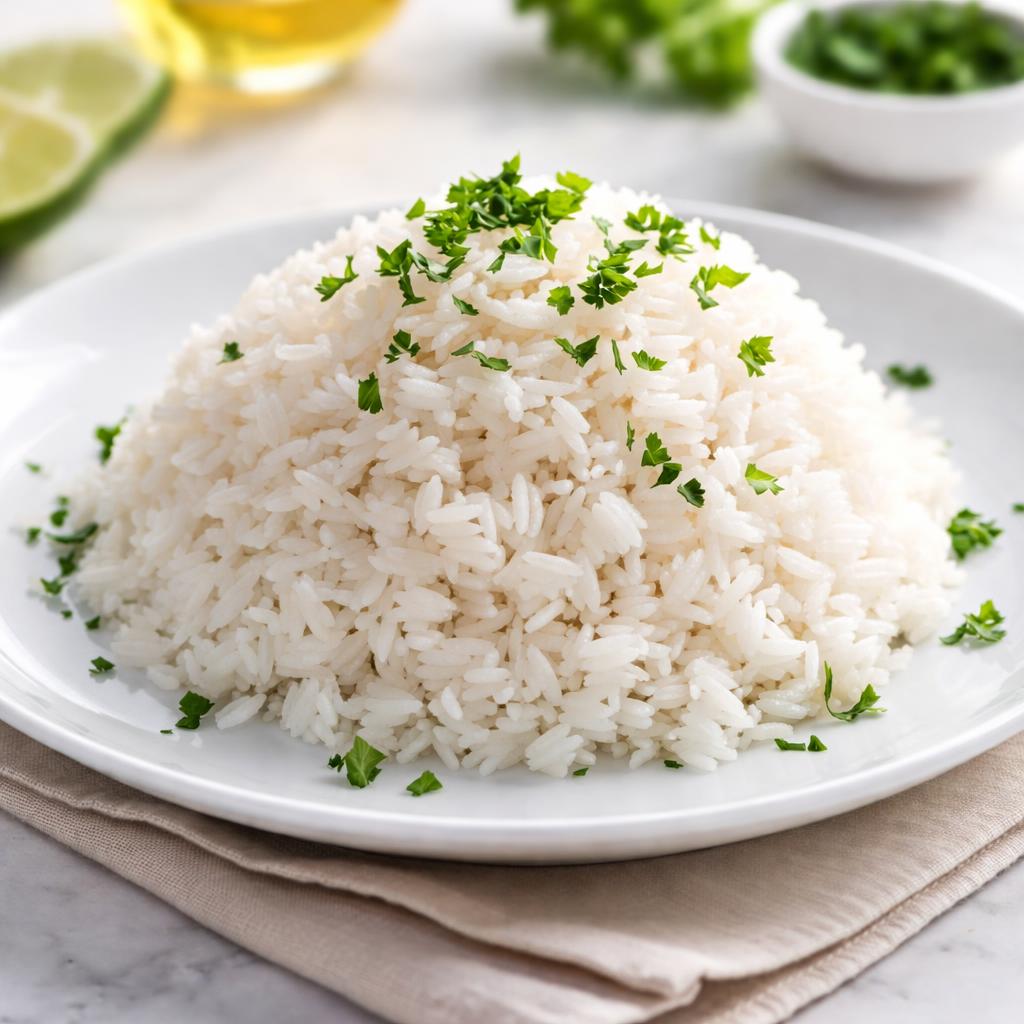
Rice
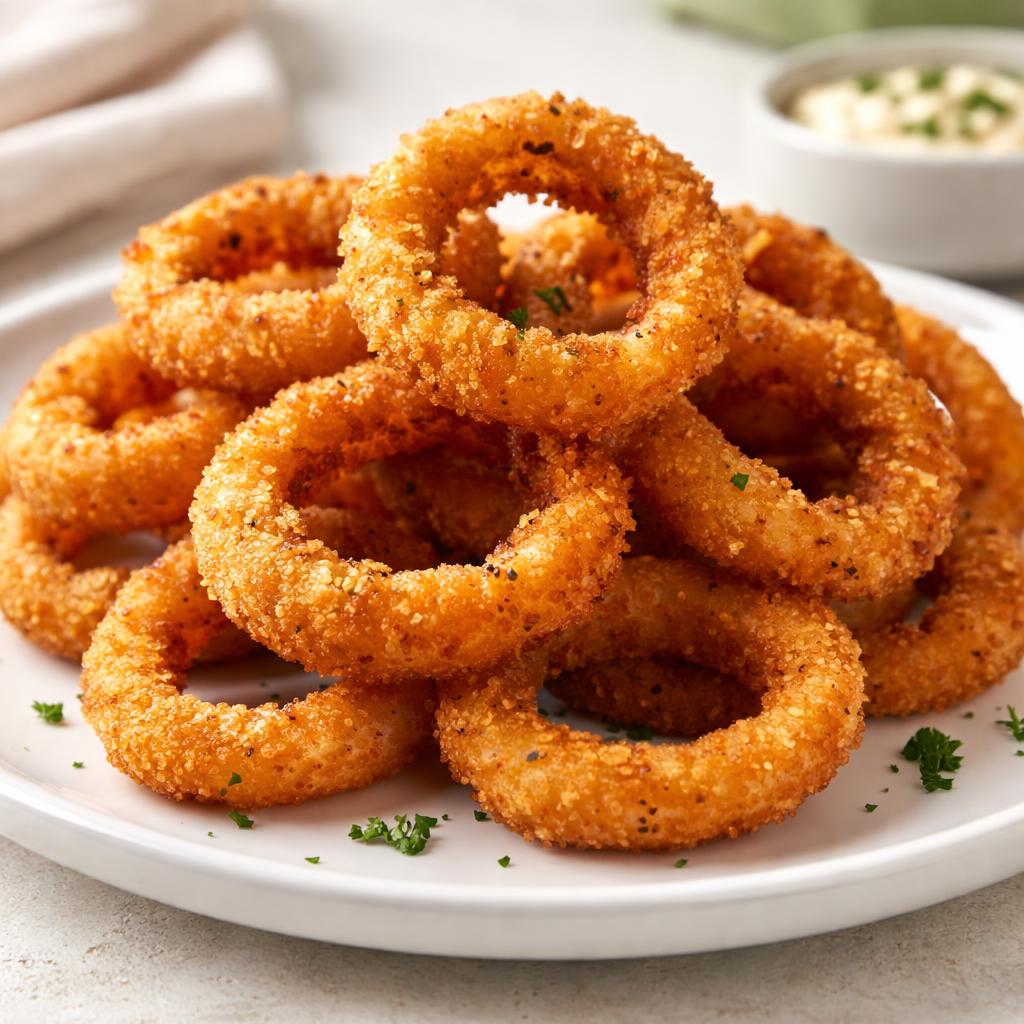
Onion Ring
🎯 Quick Verdict
Rice, as a staple grain, is lower in calories, fat, and has consistent carbohydrates for energy, making it better suited for everyday nutrition. Onion rings, as a fried food, are higher in fat and calories with slightly more fiber, but generally less nutritionally beneficial unless a treat or indulgence is desired. Both foods serve very different dietary purposes.

Smart Nutrition Tracking with SnapCalorie

📊 Nutritional Comparison
Macronutrients
| Nutrient | Food 1 | Food 2 | Winner |
|---|---|---|---|
| Calories | 150 (per 1 cup cooked) | 400 (per 10 onion rings) | ✓ |
| Protein | 4g | 4g | − |
| Carbs | 33g | 50g | ✓ |
| Fat | 0.5g | 22g | ✓ |
| Fiber | 1g | 2g | ✓ |
Vitamins & Minerals
| Nutrient | Food 1 | Food 2 | Winner |
|---|---|---|---|
| Vitamin A | 0mcg | 70mcg | ✓ |
| Vitamin C | 0mg | 2mg | ✓ |
| Calcium | 10mg | 30mg | ✓ |
| Iron | 0.5mg | 1mg | ✓ |
🏆 Category Winners
Protein
Both foods contain approximately 4g of protein per serving.
Fiber
Onion rings provide double the fiber (2g vs 1g per serving).
Calories
Rice has significantly fewer calories (150 vs 400 per serving).
🥗 Diet Compatibility
Keto
Food 1: Not Compatible
Food 2: Not Compatible
Both foods are high in carbohydrates.
Vegan
Food 1: Compatible
Food 2: Not Compatible
Rice is plant-based, whereas onion rings often contain eggs or dairy in their batter.
Gluten Free
Food 1: Compatible
Food 2: Not Compatible
Rice is naturally gluten-free, but onion rings are typically breaded with wheat flour.
Paleo
Food 1: Compatible
Food 2: Not Compatible
Rice, though controversial in strict paleo circles, is passable, while onion rings contain processed ingredients.
Low-Carb
Food 1: Not Compatible
Food 2: Not Compatible
Both foods are carbohydrate-heavy options.
💪 Health Benefits Comparison
Food 1 Benefits
- Provides sustained energy from complex carbohydrates.
- Low in fat and ideal for heart health.
- Easy to digest and gentle on the stomach.
Food 2 Benefits
- Higher fiber content can support digestion.
- Contains some vitamin C for immunity.
- Provides antioxidants from onions.
✅ The Bottom Line
Rice is a versatile and nutritious staple ideal for balanced meals, while onion rings are a higher-calorie treat best enjoyed sparingly due to their fried nature. Choose rice for health-conscious, energy-sustaining meals and onion rings for indulgent cravings or social gatherings.
Choose Food 1 for: Balanced meals, energy sustenance, gentle digestion
Choose Food 2 for: Occasional indulgence, fiber boost, social gatherings


