Rice VS Onigiri
A detailed nutritional comparison
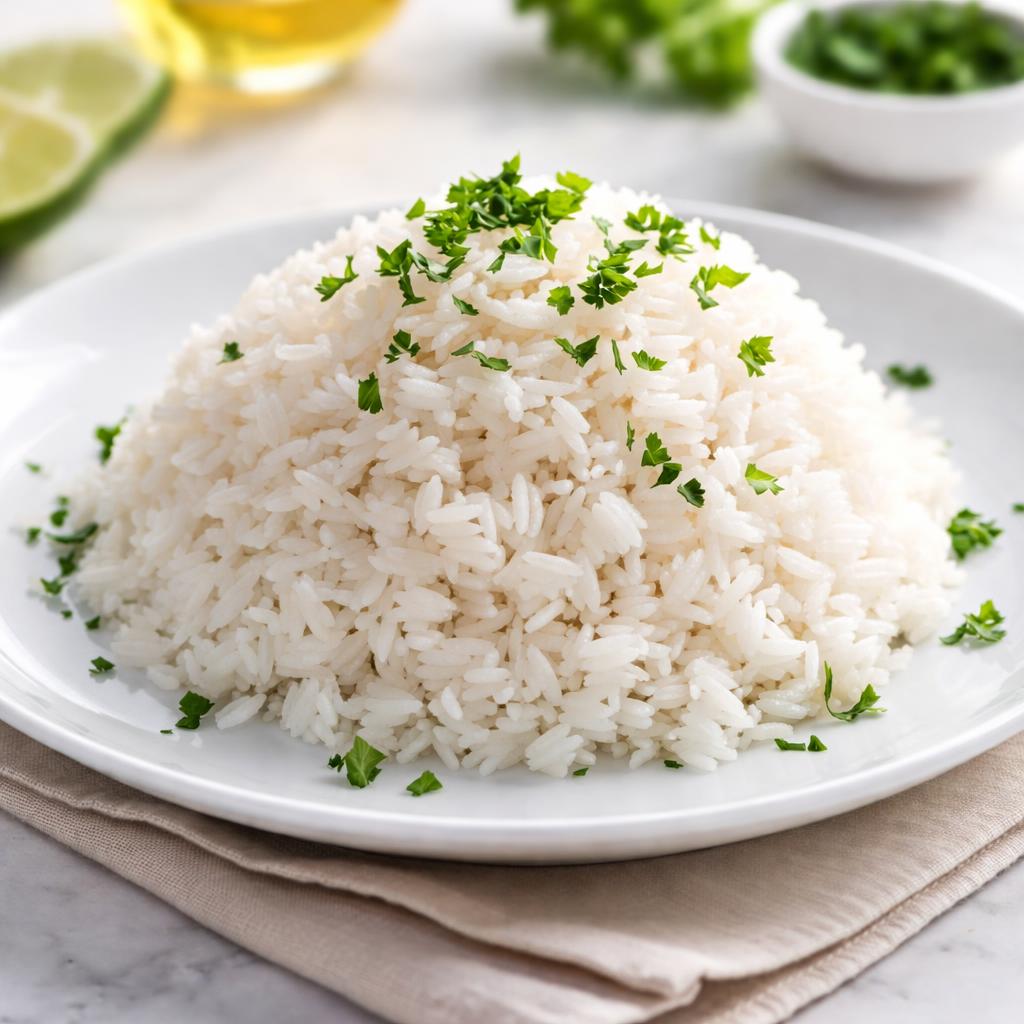
Rice
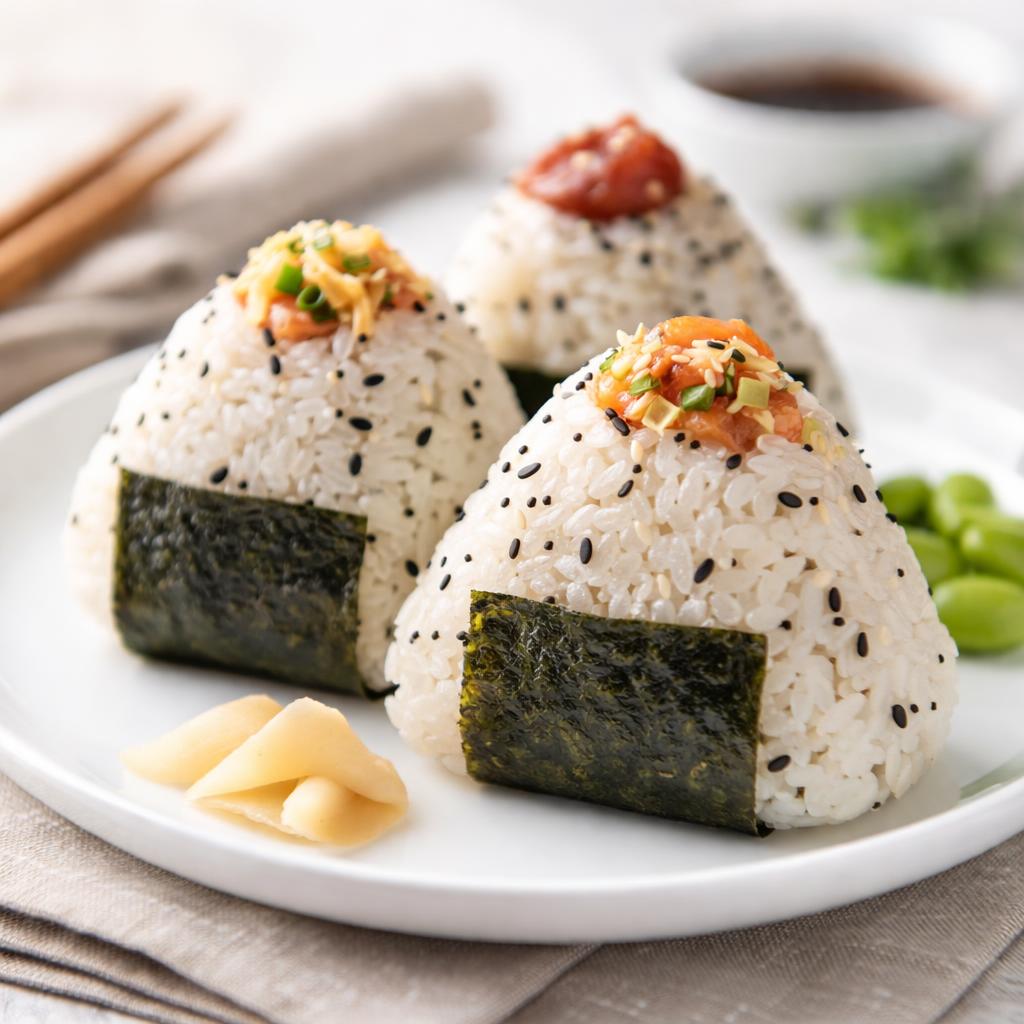
Onigiri
🎯 Quick Verdict
Onigiri, a Japanese rice-based snack, provides slightly more protein, fiber, and nutrient variety due to added ingredients like fish, seaweed, or vegetables, compared to plain rice. While plain rice is a low-calorie, versatile base, onigiri offers a more nutrient-dense and portable option, especially suitable for quick meals or snacks.

Smart Nutrition Tracking with SnapCalorie

📊 Nutritional Comparison
Macronutrients
| Nutrient | Food 1 | Food 2 | Winner |
|---|---|---|---|
| Calories | 240 kcal per cup (cooked) | 220 kcal per piece (average) | − |
| Protein | 4g | 6g | ✓ |
| Carbs | 53g | 45g | ✓ |
| Fat | 0.5g | 5g | ✓ |
| Fiber | 1g | 2g | ✓ |
Vitamins & Minerals
| Nutrient | Food 1 | Food 2 | Winner |
|---|---|---|---|
| Vitamin D | 0mcg | 1mcg (if fish-based) | ✓ |
| Calcium | 10mg | 25mg | ✓ |
| Iron | 0.4mg | 1mg | ✓ |
🏆 Category Winners
Protein
Onigiri contains additional protein from fillings like fish or tofu.
Fiber
Onigiri includes more fiber due to seaweed and potential vegetable fillings.
Calories
Both foods are comparable in calorie density depending on serving size and ingredients.
🥗 Diet Compatibility
Keto
Food 1: Not Compatible
Food 2: Not Compatible
Both are high in carbohydrates.
Vegan
Food 1: Compatible
Food 2: Depends on fillings
Onigiri is only vegan when using plant-based fillings.
Gluten Free
Food 1: Compatible
Food 2: Compatible
Neither rice nor traditional onigiri contains gluten unless soy sauce is added.
Paleo
Food 1: Not Compatible
Food 2: Depends on fillings
Both are generally incompatible unless onigiri fillings meet paleo requirements.
Low Carb
Food 1: Not Compatible
Food 2: Not Compatible
Both are high-carb foods.
💪 Health Benefits Comparison
Food 1 Benefits
- Rich in carbohydrates for quick energy
- Low in fat, ideal for low-fat diets
- Easy to digest, useful for sensitive stomachs
Food 2 Benefits
- Higher in protein for muscle recovery
- Provides micronutrients such as iodine from seaweed
- Portable and convenient for meals on-the-go
✅ The Bottom Line
Food2 (onigiri) is a superior choice due to its higher protein, fiber, and nutrient content, making it a balanced option for a meal or snack. However, food1 (plain rice) is an excellent base for most meals and works well for energy-focused diets or sensitive stomachs.
Choose Food 1 for: Low-fat diets, meal preparation, energy-heavy meals
Choose Food 2 for: Complete snacks, balanced portable meals, moderate calorie options


