Rice VS Old Fashioned
A detailed nutritional comparison
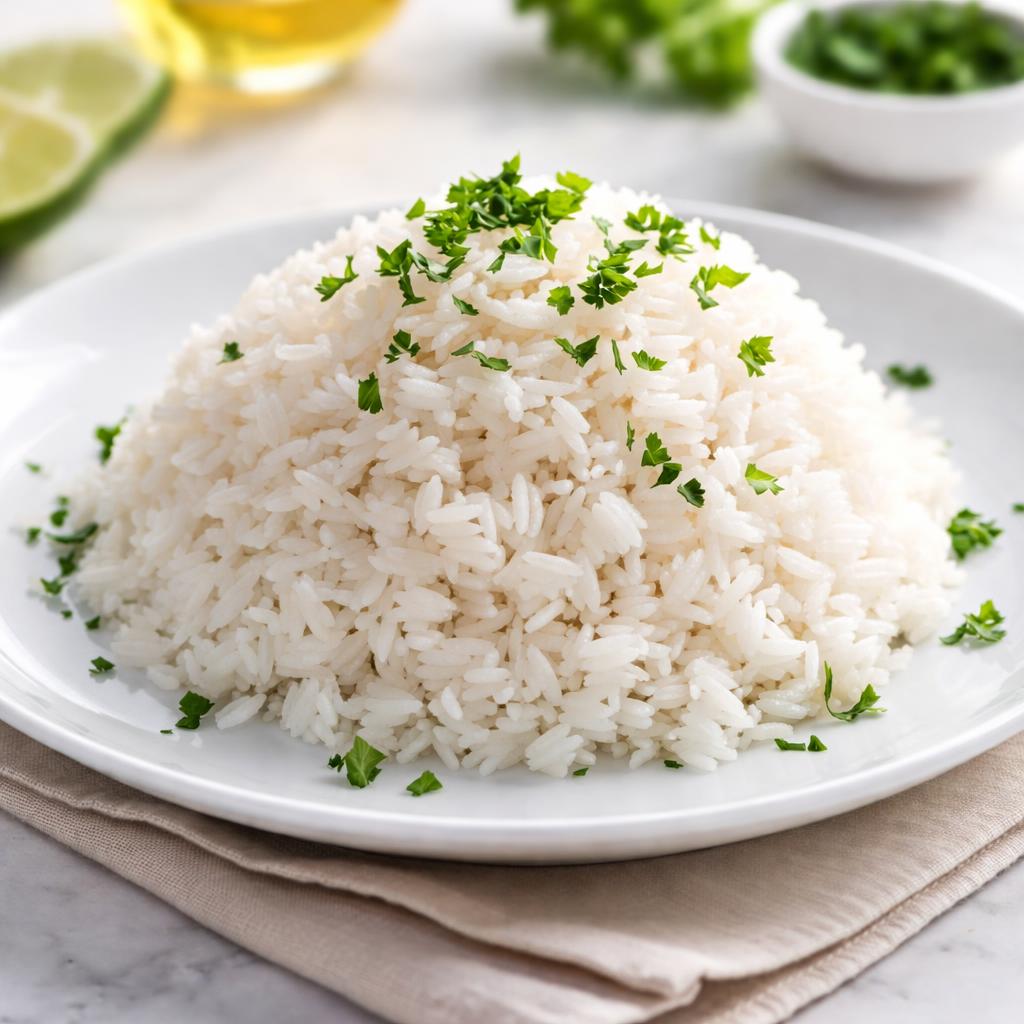
Rice
Old Fashioned
🎯 Quick Verdict
Food 2 (Old Fashioned Oats) is more nutrient-dense when compared to Food 1 (Rice) due to higher protein and fiber content. Rice has fewer calories, making it a better option for those on calorie-restricted diets, while oats offer sustained energy and are particularly beneficial for heart and digestive health.

Smart Nutrition Tracking with SnapCalorie

📊 Nutritional Comparison
Macronutrients
| Nutrient | Food 1 | Food 2 | Winner |
|---|---|---|---|
| Calories | 130 (white rice, cooked, 1 cup) | 150 (rolled oats, cooked, 1 cup) | ✓ |
| Protein | 2.7g | 5.5g | ✓ |
| Carbs | 28g | 27g | ✓ |
| Fat | 0.3g | 2.2g | ✓ |
| Fiber | 0.4g | 4g | ✓ |
Vitamins & Minerals
| Nutrient | Food 1 | Food 2 | Winner |
|---|---|---|---|
| Vitamin B1 (Thiamin) | 0.02mg | 0.23mg | ✓ |
| Magnesium | 13mg | 63mg | ✓ |
| Iron | 0.2mg | 1.7mg | ✓ |
🏆 Category Winners
Protein
Food2 (oats) contains over twice the protein content of Food1.
Fiber
Food2 has 10x more fiber, aiding in digestion and satiety.
Calories
Food1 is lower in calories, which is beneficial for weight management.
🥗 Diet Compatibility
Keto
Food 1: Not Compatible
Food 2: Not Compatible
Both are high-carb foods.
Vegan
Food 1: Compatible
Food 2: Compatible
Both foods are plant-based and suitable for vegan diets.
Gluten Free
Food 1: Compatible
Food 2: Compatible
Both foods are naturally gluten-free.
Paleo
Food 1: Not Compatible
Food 2: Not Compatible
Neither food aligns with strict paleo guidelines.
Low Carb
Food 1: Not Compatible
Food 2: Not Compatible
Both foods have high carbohydrate contents.
💪 Health Benefits Comparison
Food 1 Benefits
- Low in calories, making it a good option for weight management
- Easy to digest and suitable for sensitive stomachs
- Provides quick energy from carbohydrates
Food 2 Benefits
- Rich in dietary fiber, promoting digestive health
- Contains beta-glucan, which helps reduce cholesterol levels
- High in protein, supporting muscle maintenance and growth
- Provides essential minerals like magnesium and iron
✅ The Bottom Line
Food1 is a good choice for lower-calorie diets and situations requiring quick energy, while Food2 is more nutrient-dense, offering higher protein and fiber for sustained energy and digestive health. Choose Food1 for lighter meals and Food2 for hearty breakfasts or health-focused eating plans.
Choose Food 1 for: Low-calorie meals, sensitive stomachs, quick energy sources
Choose Food 2 for: Heart health, sustained energy, nutrient-packed meals


