Rice VS Oil
A detailed nutritional comparison
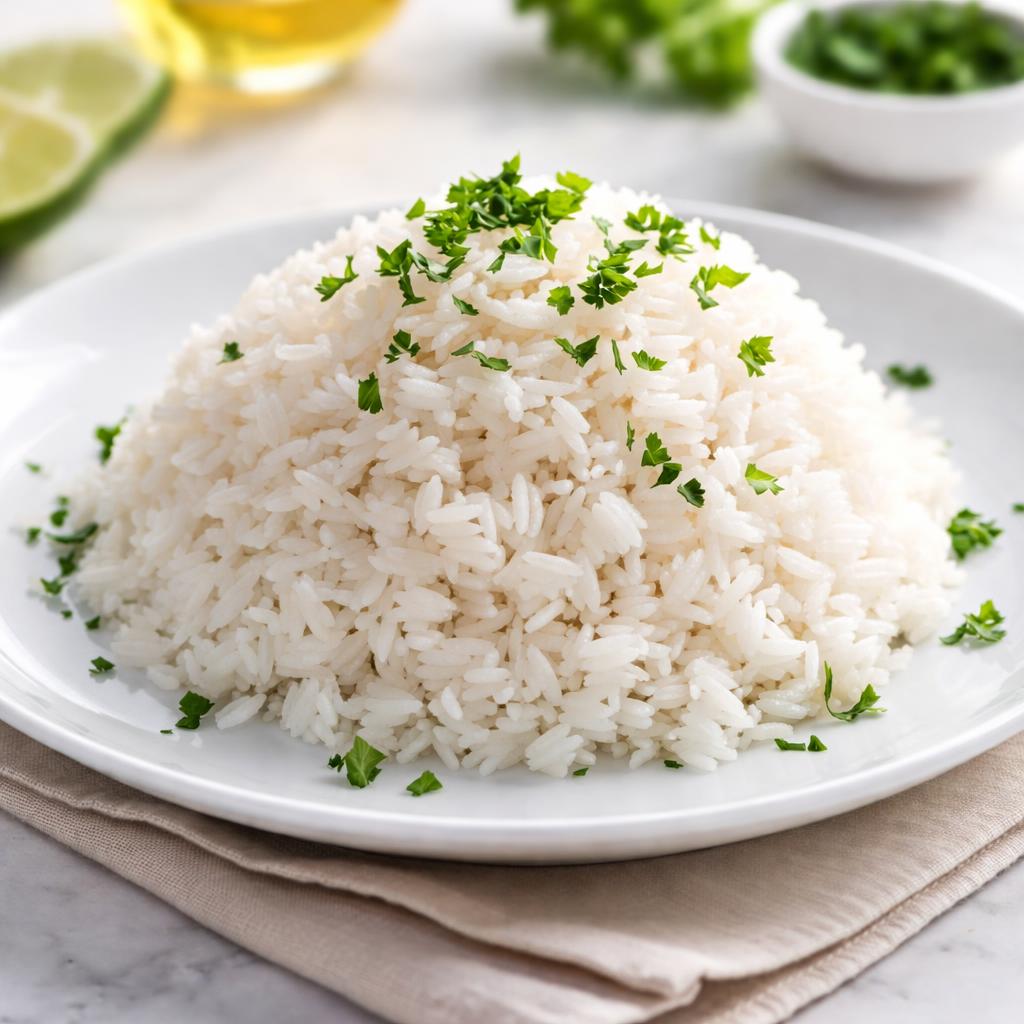
Rice
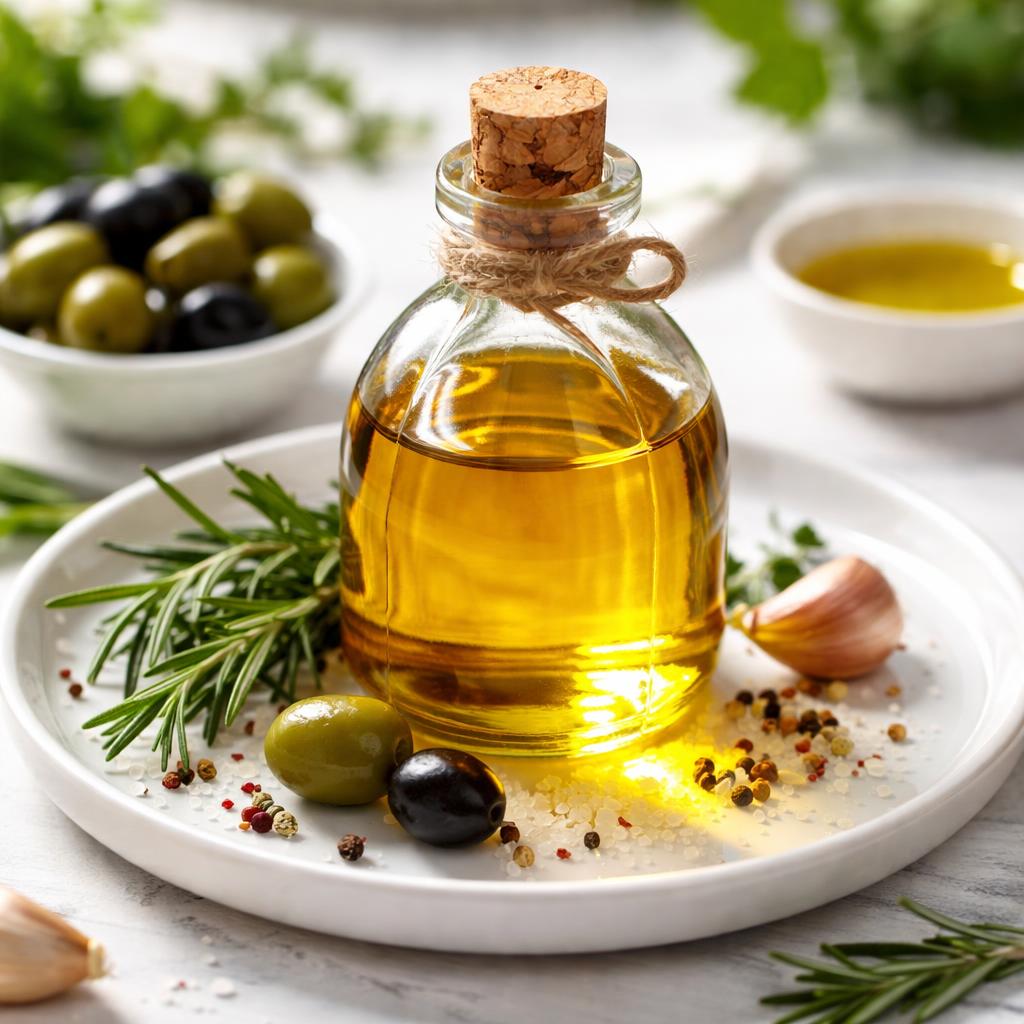
Oil
🎯 Quick Verdict
Food1 (rice) is primarily a carbohydrate-rich staple, providing moderate amounts of protein and fiber, whereas Food2 (oil) is a high-fat, calorie-dense food lacking protein and fiber. Rice is ideal for sustained energy levels, while oil is better suited for cooking and adding healthy fats to meals.

Smart Nutrition Tracking with SnapCalorie

📊 Nutritional Comparison
Macronutrients
| Nutrient | Food 1 | Food 2 | Winner |
|---|---|---|---|
| Calories | 130 (per 100g cooked) | 884 (per 100g) | ✓ |
| Protein | 2.7g | 0g | ✓ |
| Carbs | 28g | 0g | ✓ |
| Fat | 0.3g | 100g | ✓ |
| Fiber | 0.4g | 0g | ✓ |
Vitamins & Minerals
| Nutrient | Food 1 | Food 2 | Winner |
|---|---|---|---|
| Vitamin E | 0mg | 26mg | ✓ |
| Vitamin K | 0mcg | 60mcg | ✓ |
| Calcium | 10mg | 1mg | ✓ |
| Iron | 0.2mg | 0.1mg | ✓ |
🏆 Category Winners
Protein
Rice provides 2.7g protein per serving, while oil has none.
Fiber
Rice contains a small amount of fiber (0.4g), unavailable in oil.
Calories
Rice is much lower in calories with 130 calories vs 884 calories for oil.
Vitamins
Oil offers Vitamin E (26mg) and Vitamin K (60mcg) essential for skin and blood health.
🥗 Diet Compatibility
Keto
Food 1: Not Compatible
Food 2: Compatible
Oil is carbohydrate-free, while rice is high-carb.
Vegan
Food 1: Compatible
Food 2: Compatible
Both are plant-based.
Gluten Free
Food 1: Compatible
Food 2: Compatible
Neither rice nor oil contains gluten.
Paleo
Food 1: Compatible
Food 2: Compatible
Both are paleo-friendly based on natural origins.
Low-Carb
Food 1: Not Compatible
Food 2: Compatible
Rice is high in carbohydrates, while oil has none.
💪 Health Benefits Comparison
Food 1 Benefits
- Provides fast and sustained energy due to high carbohydrate content
- Naturally gluten-free for accommodating sensitive diets
- Moderate protein content supports muscle repair
Food 2 Benefits
- Rich in heart-healthy monounsaturated and polyunsaturated fats
- Contains antioxidant Vitamin E, which benefits skin and cellular health
- High in Vitamin K for blood clotting and bone support
✅ The Bottom Line
Rice and oil serve very different purposes in a diet. Rice is better suited for energy replenishment and low-fat meals, while oil plays an essential role in cooking and as a source of healthy fats. Choose rice for post-workout recovery or sustained energy. Use oil to enhance dishes and support healthy fat intake such as in ketogenic diets.
Choose Food 1 for: Energy-rich meals, post-workout recovery, gluten-free diets
Choose Food 2 for: Ketogenic or low-carb diets, heart health, antioxidant-rich cooking


