Rice VS Oatmilk
A detailed nutritional comparison
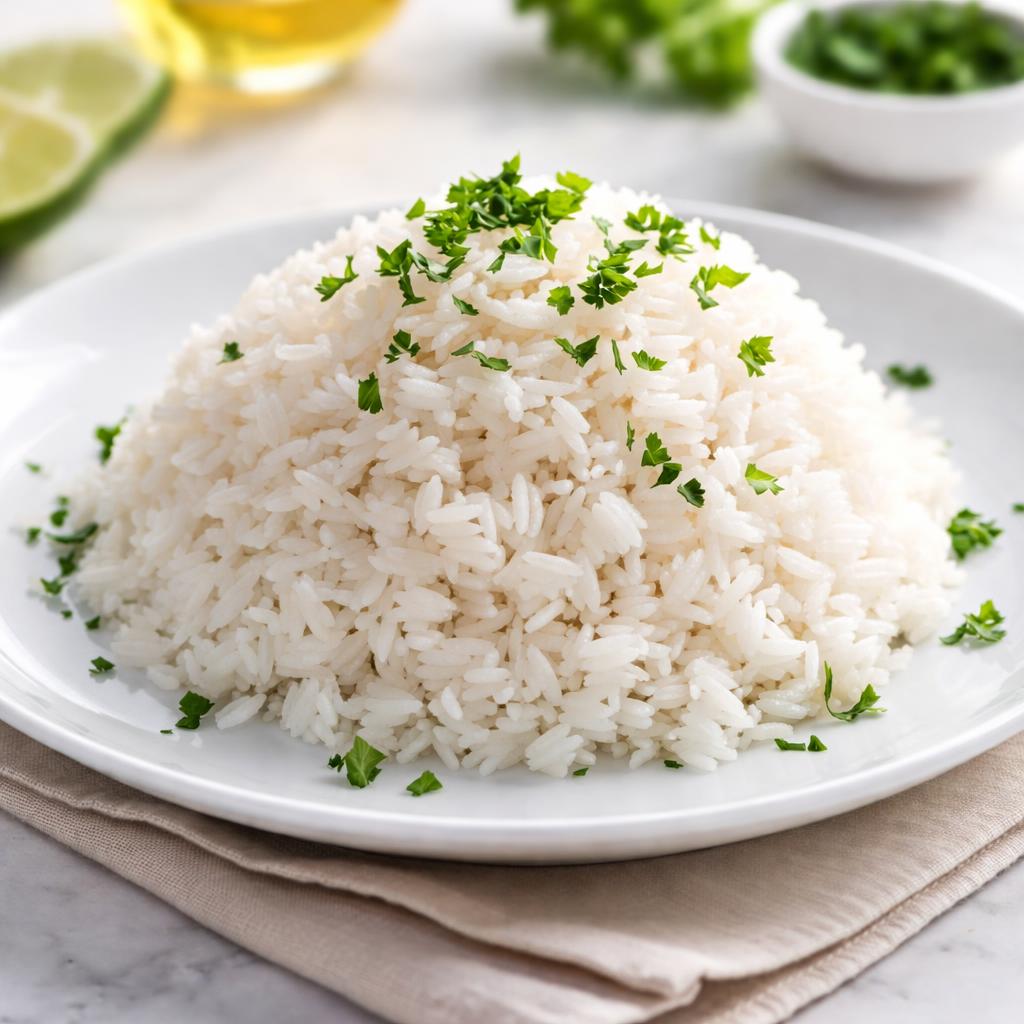
Rice
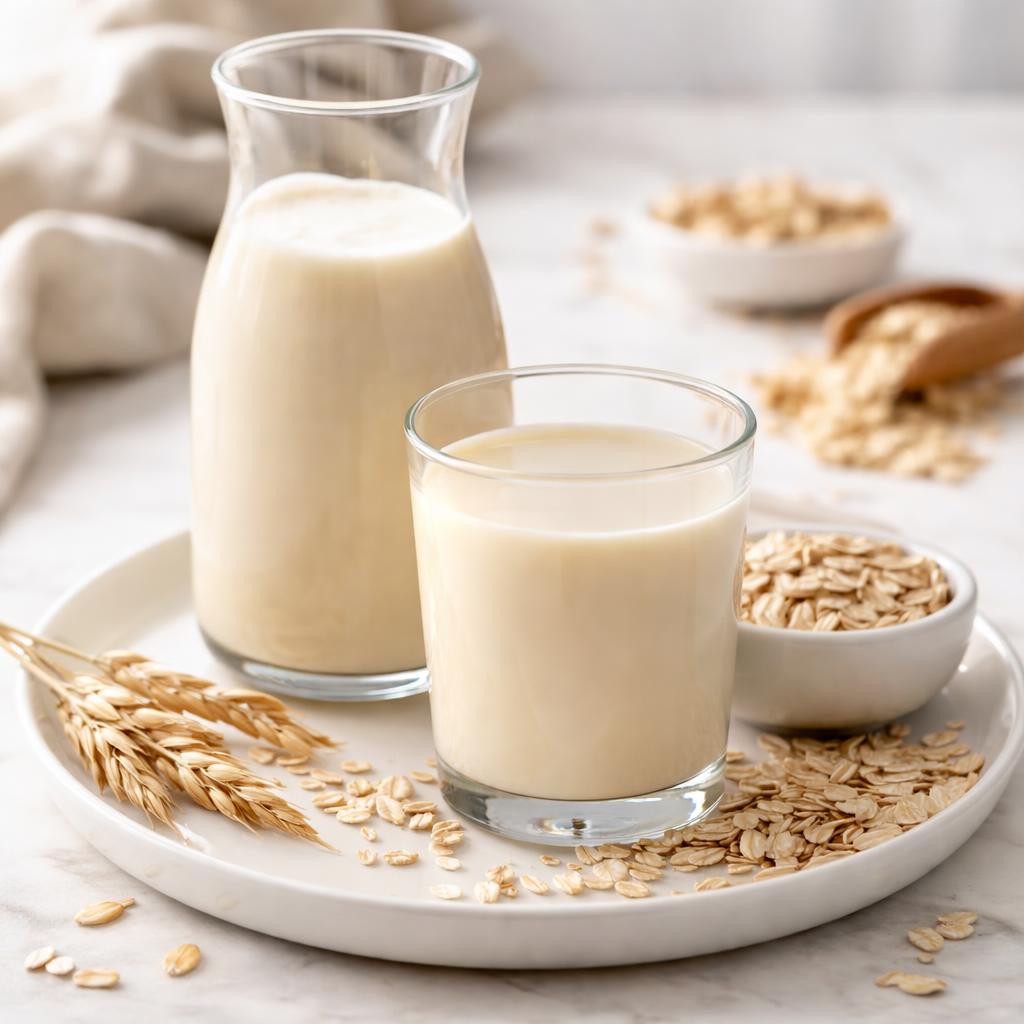
Oatmilk
🎯 Quick Verdict
Rice is a calorie-dense food, primarily providing energy from carbohydrates with minimal protein and fiber. On the other hand, oatmilk is lower in calories and has more protein and fiber per serving, making it better suited for balanced diets or those prioritizing nutrient density. Rice is ideal for energy and high-carb diets, while oatmilk fits well into plant-based or protein-focused routines.

Smart Nutrition Tracking with SnapCalorie

📊 Nutritional Comparison
Macronutrients
| Nutrient | Food 1 | Food 2 | Winner |
|---|---|---|---|
| Calories | 205 (per 1 cup cooked) | 120 (per 1 cup) | ✓ |
| Protein | 4.3g | 3g | ✓ |
| Carbs | 44.5g | 16g | ✓ |
| Fat | 0.5g | 5g | ✓ |
| Fiber | 0.6g | 2g | ✓ |
Vitamins & Minerals
| Nutrient | Food 1 | Food 2 | Winner |
|---|---|---|---|
| Calcium | 20mg | 350mg | ✓ |
| Iron | 0.2mg | 0.6mg | ✓ |
| Vitamin D | 0mcg | 2mcg | ✓ |
| Vitamin B12 | 0mcg | 1mcg (fortified) | ✓ |
🏆 Category Winners
Protein
Rice edges out slightly in protein with 4.3g vs 3g per serving.
Fiber
Oatmilk provides 3 times more fiber per serving.
Calories
Oatmilk has 40% fewer calories per serving.
Vitamins
Oatmilk is fortified with more vitamins like calcium, vitamin D, and B12.
🥗 Diet Compatibility
Keto
Food 1: Not Compatible
Food 2: Not Compatible
Both are too high in carbs for keto diets.
Vegan
Food 1: Compatible
Food 2: Compatible
Both rice and oatmilk are plant-based foods.
Gluten Free
Food 1: Compatible
Food 2: Compatible
Rice and oatmilk are naturally gluten-free.
Paleo
Food 1: Compatible
Food 2: Not Compatible
Rice is allowed in some paleo variations, but oatmilk is considered processed.
Low Carb
Food 1: Not Compatible
Food 2: Not Compatible
Both contain significant carbohydrates per serving.
💪 Health Benefits Comparison
Food 1 Benefits
- Provides sustained energy from complex carbohydrates
- Naturally gluten-free and easy to digest
- Supports high-calorie diets for active individuals
Food 2 Benefits
- Rich source of calcium for bone health
- Provides vitamin D for improved immunity
- Contains beta-glucans which support heart health
✅ The Bottom Line
Rice and oatmilk serve different dietary purposes. Rice is ideal for meals requiring energy-dense carbohydrates, such as sports nutrition or traditional dishes. Oatmilk is a nutrient-dense beverage, better suited for plant-based diets and individuals looking for a milk alternative with added benefits like calcium and vitamin D. Consider rice for carb-heavy recipes and oatmilk for snacks or breakfast enhancements.
Choose Food 1 for: High-carb meals, energy needs, side dishes
Choose Food 2 for: Plant-based diets, nutrient-dense beverages, lactose intolerance


