Rice VS Noodle Salad
A detailed nutritional comparison
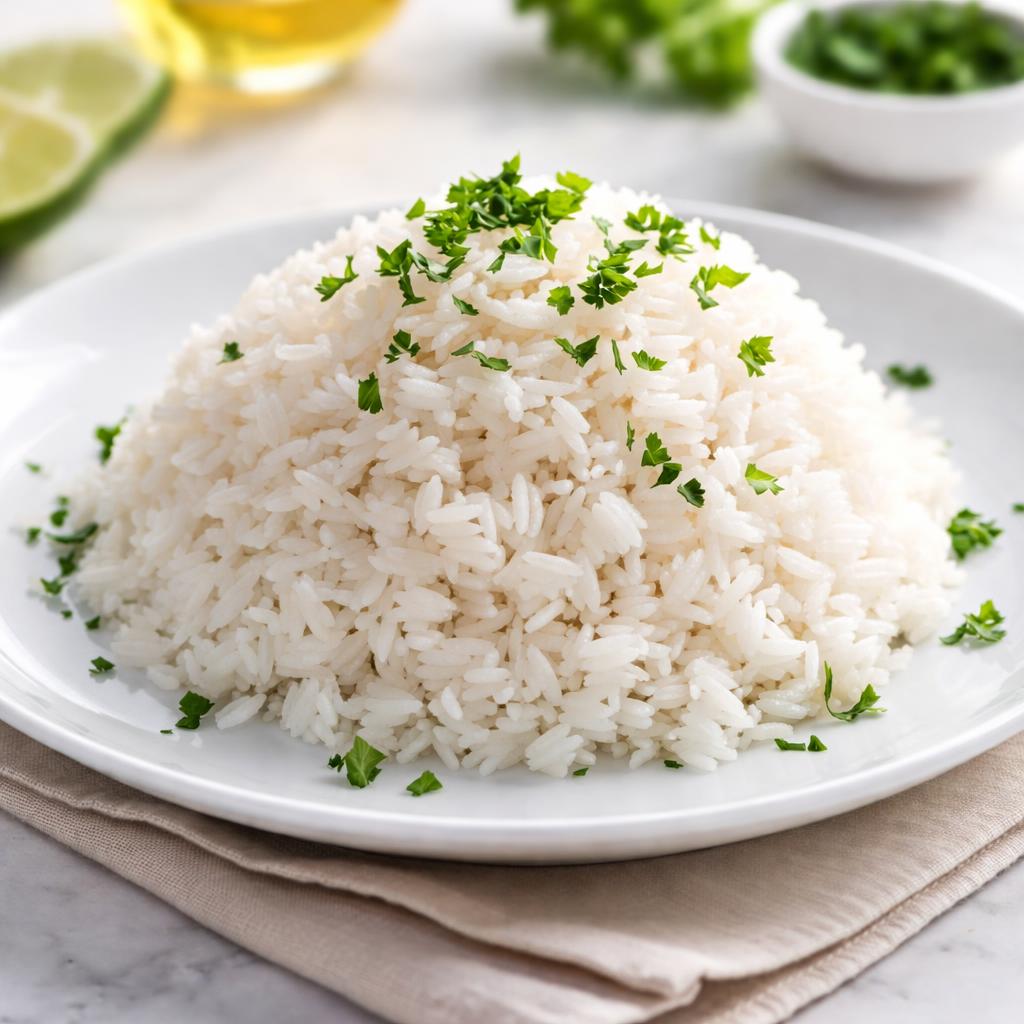
Rice
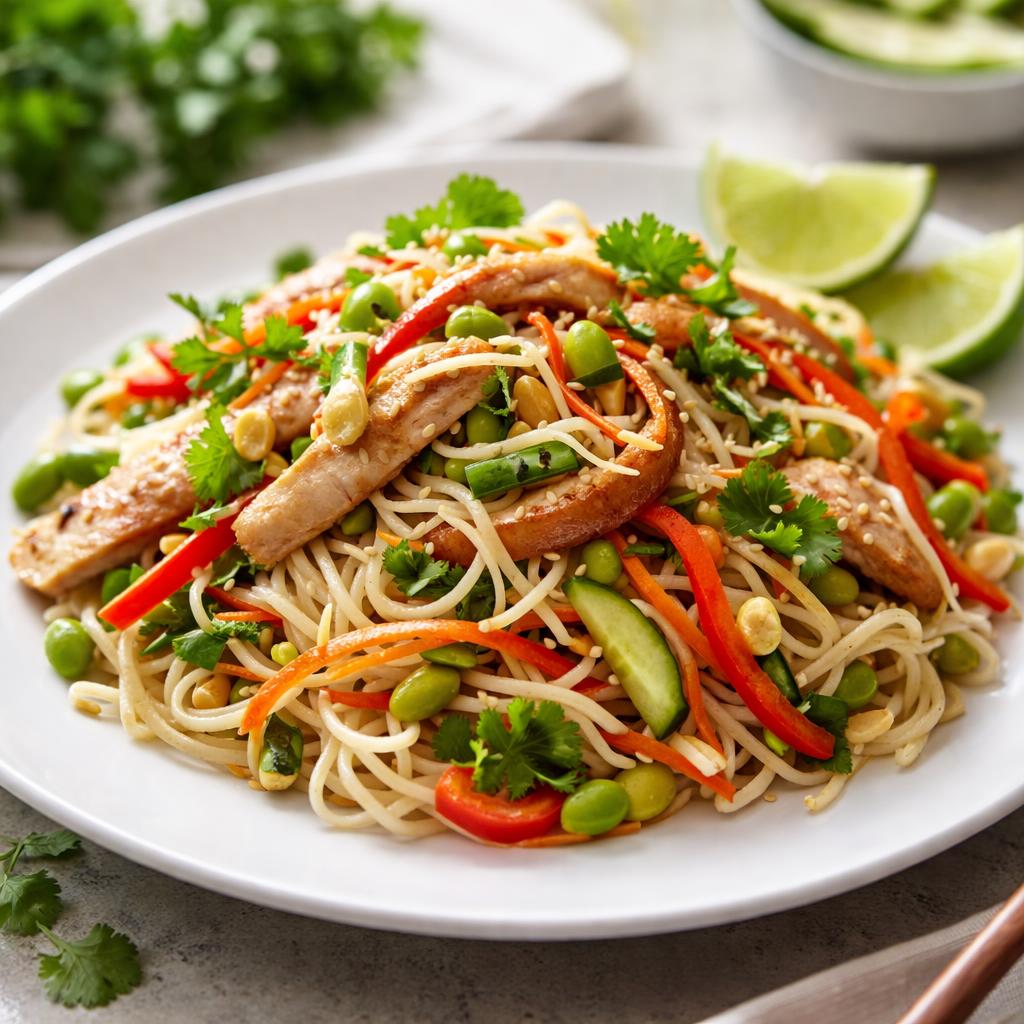
Noodle Salad
🎯 Quick Verdict
Rice is a lower-calorie option and provides straightforward carbohydrates for energy. Noodle salad, typically made with mixed vegetables and protein sources like tofu or chicken, is higher in fiber and protein, offering more nutrient variety. Both foods can be tailored to specific dietary preferences, but rice is ideal for simplicity while noodle salad is better for balanced nutrition.

Smart Nutrition Tracking with SnapCalorie

📊 Nutritional Comparison
Macronutrients
| Nutrient | Food 1 | Food 2 | Winner |
|---|---|---|---|
| Calories | 206 (1 cup cooked) | 250 (1 cup mixed salad) | ✓ |
| Protein | 4g | 10g | ✓ |
| Carbs | 45g | 30g | ✓ |
| Fat | 0.5g | 8g | ✓ |
| Fiber | 0.6g | 5g | ✓ |
Vitamins & Minerals
| Nutrient | Food 1 | Food 2 | Winner |
|---|---|---|---|
| Vitamin A | 0 IU | 500 IU (from veggies) | ✓ |
| Vitamin C | 0mg | 10mg | ✓ |
| Calcium | 6mg | 15mg | ✓ |
| Iron | 1mg | 2mg | ✓ |
🏆 Category Winners
Protein
Noodle salad contains more protein, often sourced from added ingredients like tofu or chicken.
Fiber
Fiber from vegetables in noodle salad exceeds the minimal amount in plain rice.
Calories
Rice has fewer calories per serving compared to a mixed noodle salad.
Vitamins
Noodle salad offers more vitamins due to its inclusion of vegetables.
🥗 Diet Compatibility
Keto
Food 1: Not Compatible
Food 2: Not Compatible
Both foods are high in carbohydrates.
Vegan
Food 1: Compatible
Food 2: Compatible (assuming plant-based dressing and protein sources)
Both foods can be made suitable for a vegan diet.
Gluten Free
Food 1: Compatible
Food 2: Not Compatible (unless gluten-free noodles are used)
Rice is naturally gluten-free while noodle salad depends on the type of noodles.
Paleo
Food 1: Compatible
Food 2: Not Compatible
Rice can fit into certain interpretations of paleo, but noodles typically do not.
Low Carb
Food 1: Not Compatible
Food 2: Not Compatible
Both foods are carbohydrate-rich.
💪 Health Benefits Comparison
Food 1 Benefits
- Low-fat carbohydrate source for quick energy
- Gluten-free and universally digestible
- Pairs well with a variety of dishes for balanced meals
Food 2 Benefits
- Rich in fiber for digestion and gut health
- Provides protein for muscle repair
- Contains antioxidants and vitamins from vegetables
✅ The Bottom Line
Choose rice for a simple, low-calorie carbohydrate source that pairs well with sides and proteins. Opt for noodle salad when you want a more balanced, nutrient-dense dish that includes fiber, protein, and vitamins.
Choose Food 1 for: Low-calorie meals, gluten-free diets, quick energy sources
Choose Food 2 for: Balanced nutrition, fiber intake, protein-rich meals


