Rice VS Mushroom
A detailed nutritional comparison
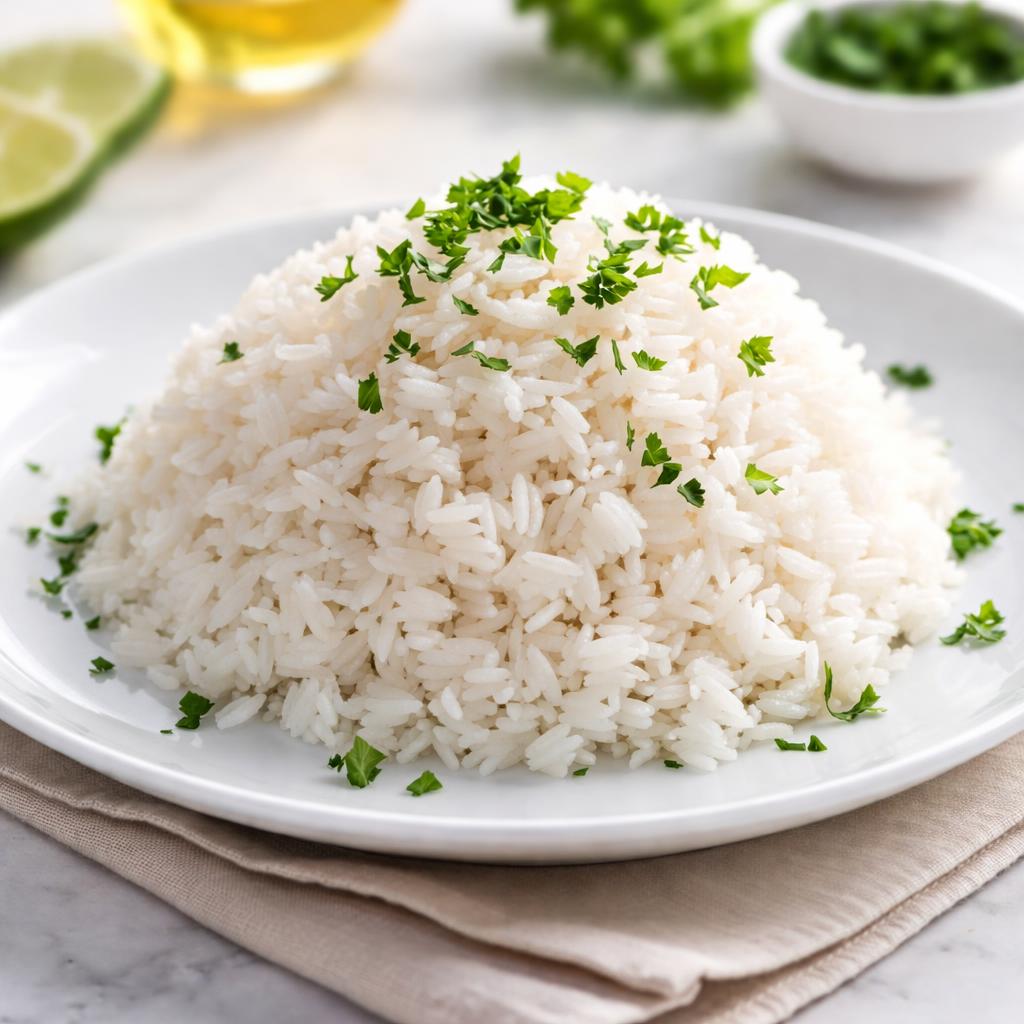
Rice
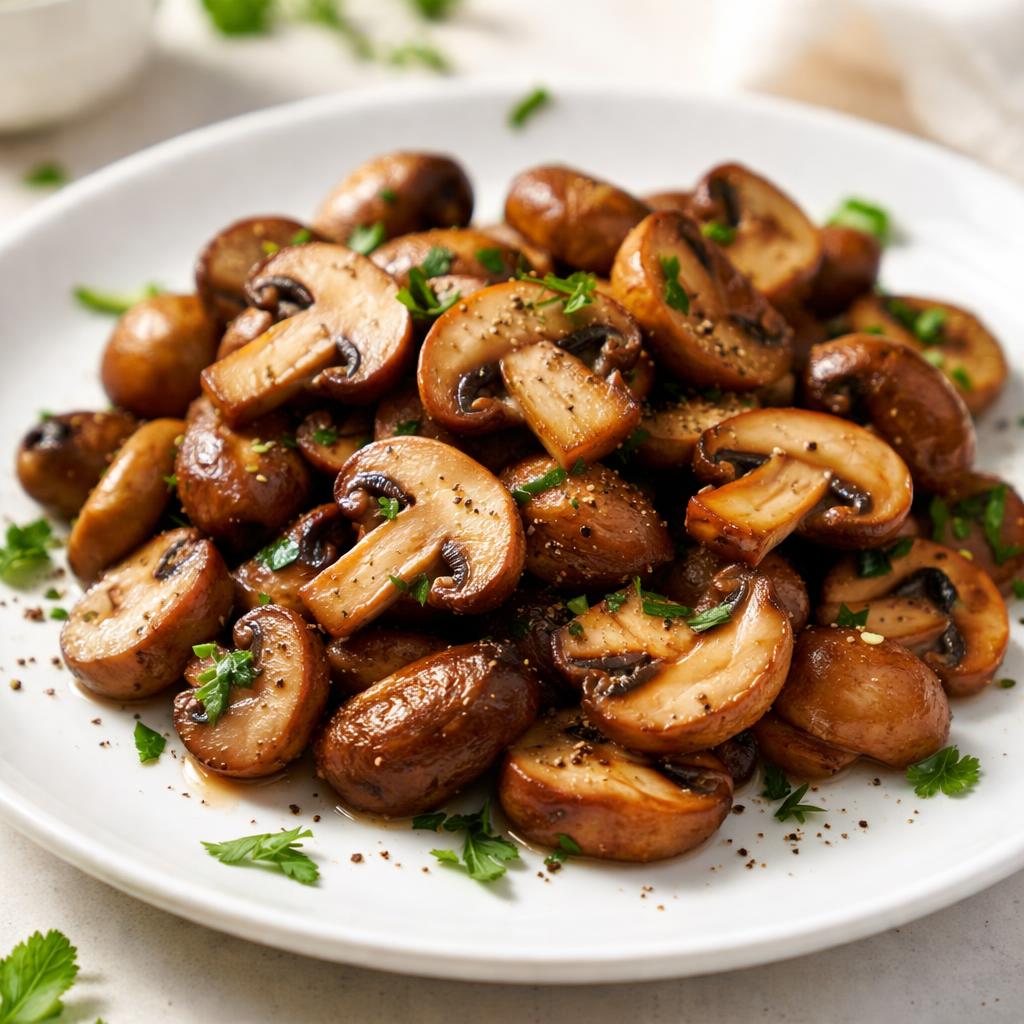
Mushroom
🎯 Quick Verdict
Rice and mushrooms have distinct nutrient profiles. Rice is a staple carbohydrate source providing more calories and energy, while mushrooms pack fewer calories with higher protein and fiber content. Rice is ideal for energy-heavy meals, whereas mushrooms are perfect for low-calorie diets or nutrient diversity.

Smart Nutrition Tracking with SnapCalorie

📊 Nutritional Comparison
Macronutrients
| Nutrient | Food 1 | Food 2 | Winner |
|---|---|---|---|
| Calories | 206 | 22 | ✓ |
| Protein | 4.3g | 3.1g | ✓ |
| Carbs | 44.5g | 3.3g | ✓ |
| Fat | 0.4g | 0.3g | − |
| Fiber | 0.6g | 1g | ✓ |
Vitamins & Minerals
| Nutrient | Food 1 | Food 2 | Winner |
|---|---|---|---|
| Vitamin D | 0mcg | 7mcg | ✓ |
| Calcium | 14mg | 2mg | ✓ |
| Iron | 1.9mg | 0.5mg | ✓ |
🏆 Category Winners
Protein
Rice slightly edges out mushrooms in protein content per serving.
Fiber
Mushrooms contain nearly double the fiber of rice per serving.
Calories
Mushrooms have far fewer calories, making them ideal for low-calorie diets.
Vitamins
Mushrooms are a rare plant-based source of vitamin D, a vital nutrient.
🥗 Diet Compatibility
Keto
Food 1: Not Compatible
Food 2: Compatible
Food2 is low-carb, while rice is high-carb and unsuitable for keto diets.
Vegan
Food 1: Compatible
Food 2: Compatible
Both are plant-based, making them vegan-friendly.
Gluten Free
Food 1: Compatible
Food 2: Compatible
Neither rice nor mushrooms contain gluten.
Paleo
Food 1: Compatible
Food 2: Compatible
Both fit within a paleo diet as natural and unprocessed foods.
Low-Carb
Food 1: Not Compatible
Food 2: Compatible
Rice is high-carb, while mushrooms are a low-carb option suitable for low-carb diets.
💪 Health Benefits Comparison
Food 1 Benefits
- Provides sustained energy due to high carbohydrate content
- Gluten-free staple for those with gluten intolerance
- Source of iron, supporting oxygen transport in the body
Food 2 Benefits
- Rich in vitamin D, crucial for bone health
- Low-calorie and nutrient-dense for weight management
- Contains antioxidants that support immune function
✅ The Bottom Line
Rice is best suited for meals that require a source of energy and carbohydrates, such as post-workout or high-activity days. Mushrooms are ideal for nutrient-dense, low-calorie dishes or keto and low-carb diets. Choose rice for energy demands and mushrooms for nutrient diversity.
Choose Food 1 for: High-energy meals, post-workout meals, gluten-free carb source
Choose Food 2 for: Low-calorie diets, nutrient diversity, keto and low-carb diets


