Rice VS Murukku
A detailed nutritional comparison
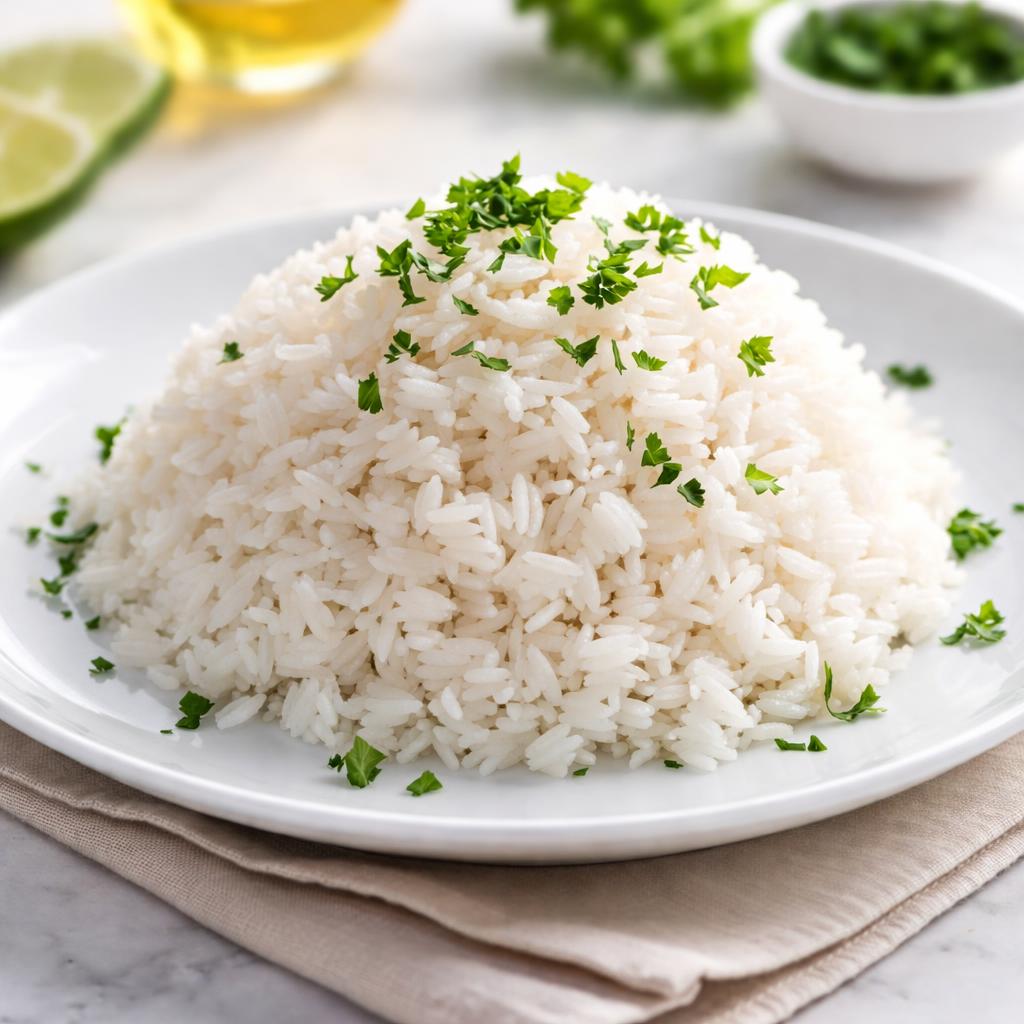
Rice
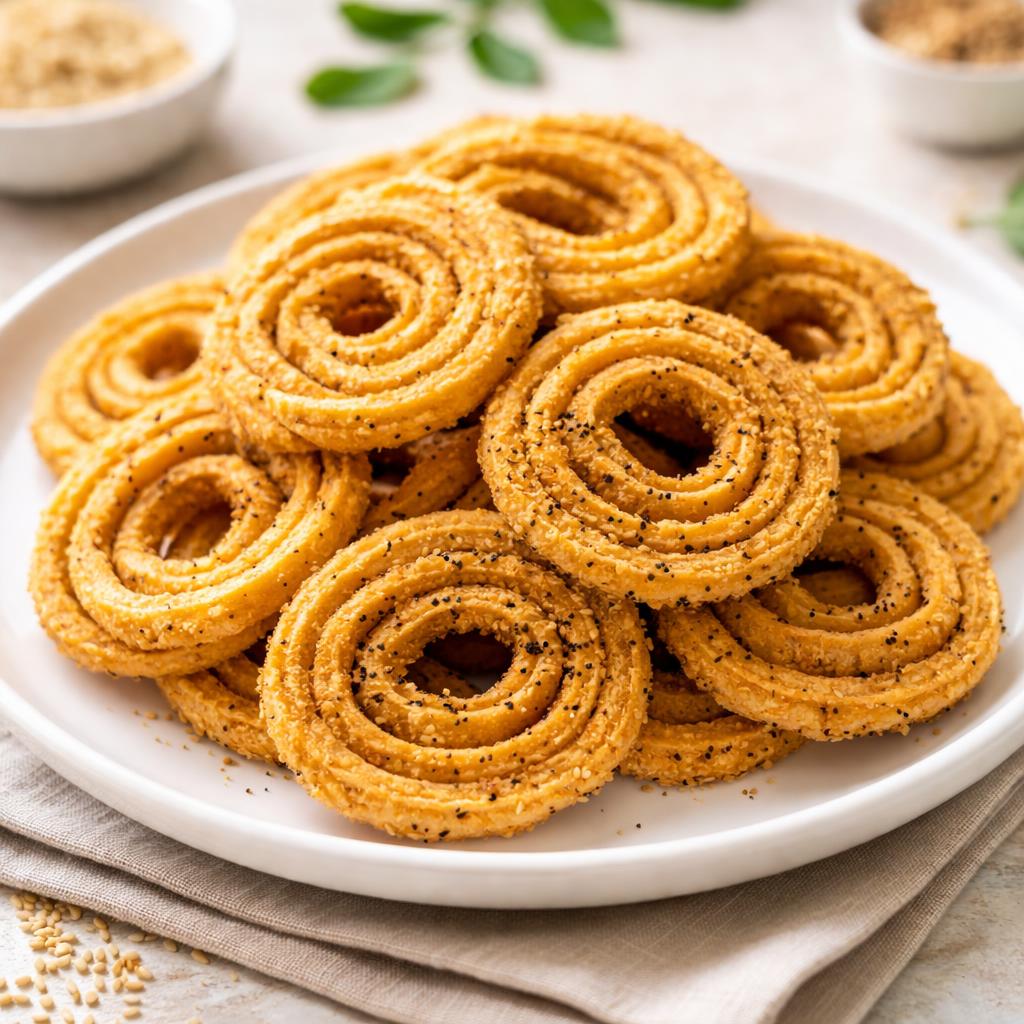
Murukku
🎯 Quick Verdict
Plain rice provides a simple, low-calorie carbohydrate source, perfect for weight management and meal customization. Murukku, a deep-fried snack, is higher in protein and fiber but also significantly higher in fat and calories, making it more suitable as an occasional treat or energy-dense snack option.

Smart Nutrition Tracking with SnapCalorie

📊 Nutritional Comparison
Macronutrients
| Nutrient | Food 1 | Food 2 | Winner |
|---|---|---|---|
| Calories | 130 | 450 | ✓ |
| Protein | 3g | 6g | ✓ |
| Carbs | 28g | 35g | ✓ |
| Fat | 0g | 15g | ✓ |
| Fiber | 0.4g | 2g | ✓ |
Vitamins & Minerals
| Nutrient | Food 1 | Food 2 | Winner |
|---|---|---|---|
| Vitamin D | 0mcg | 0mcg | − |
| Calcium | 10mg | 40mg | ✓ |
| Iron | 0.2mg | 2mg | ✓ |
🏆 Category Winners
Protein
Murukku contains double the protein of rice.
Fiber
Murukku offers more fiber at 2g compared to rice's minimal amount.
Calories
Rice is significantly lower in calories compared to murukku.
Vitamins
Murukku has higher levels of calcium and iron than rice.
🥗 Diet Compatibility
Keto
Food 1: Not Compatible
Food 2: Not Compatible
Both foods are high-carb and not typical for a keto diet.
Vegan
Food 1: Compatible
Food 2: Compatible
Both are plant-based and suitable for vegans.
Gluten Free
Food 1: Compatible
Food 2: Not Compatible
Rice is naturally gluten-free, whereas murukku often contains wheat flour.
Paleo
Food 1: Compatible
Food 2: Not Compatible
Rice can fit a modified paleo diet, but murukku's processed ingredients disqualify it.
Low Carb
Food 1: Not Compatible
Food 2: Not Compatible
Neither food is low in carbohydrates.
💪 Health Benefits Comparison
Food 1 Benefits
- Provides energy through complex carbohydrates
- Low-calorie option for weight management
- Easy to digest and suitable for sensitive stomachs
Food 2 Benefits
- Higher protein content supports muscle repair
- Contains fiber for better digestion
- Provides calcium and iron for bone health and oxygen transport
✅ The Bottom Line
Rice is a better option for those seeking a lean, low-fat, and easy-to-digest carbohydrate source, making it ideal for weight loss diets or meal bases. Murukku, although richer in protein and fiber, is calorie-dense with high fat content, better suited as an occasional indulgence or energy-boosting snack.
Choose Food 1 for: Weight management, meal bases, low-fat diets
Choose Food 2 for: Snack lovers, energy boost, high-calorie replenishment


