Rice VS Miso
A detailed nutritional comparison
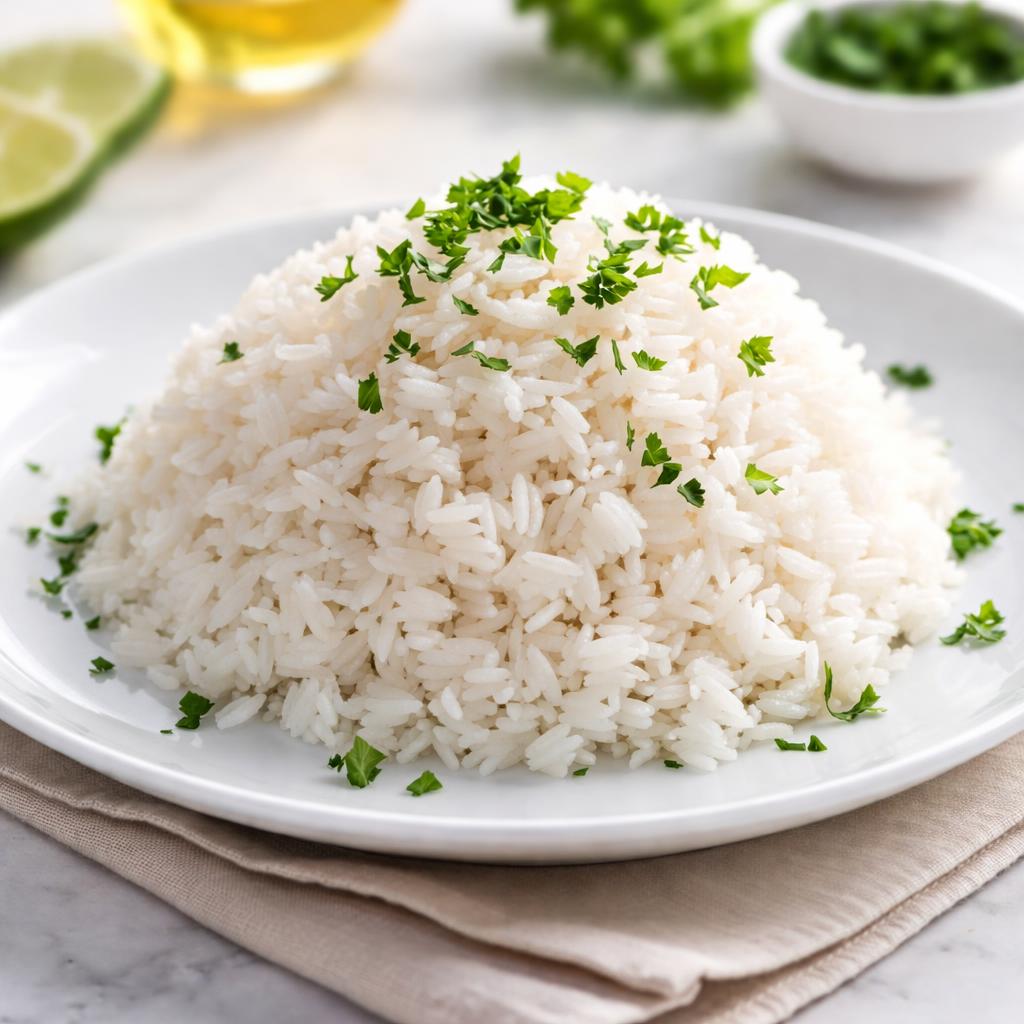
Rice
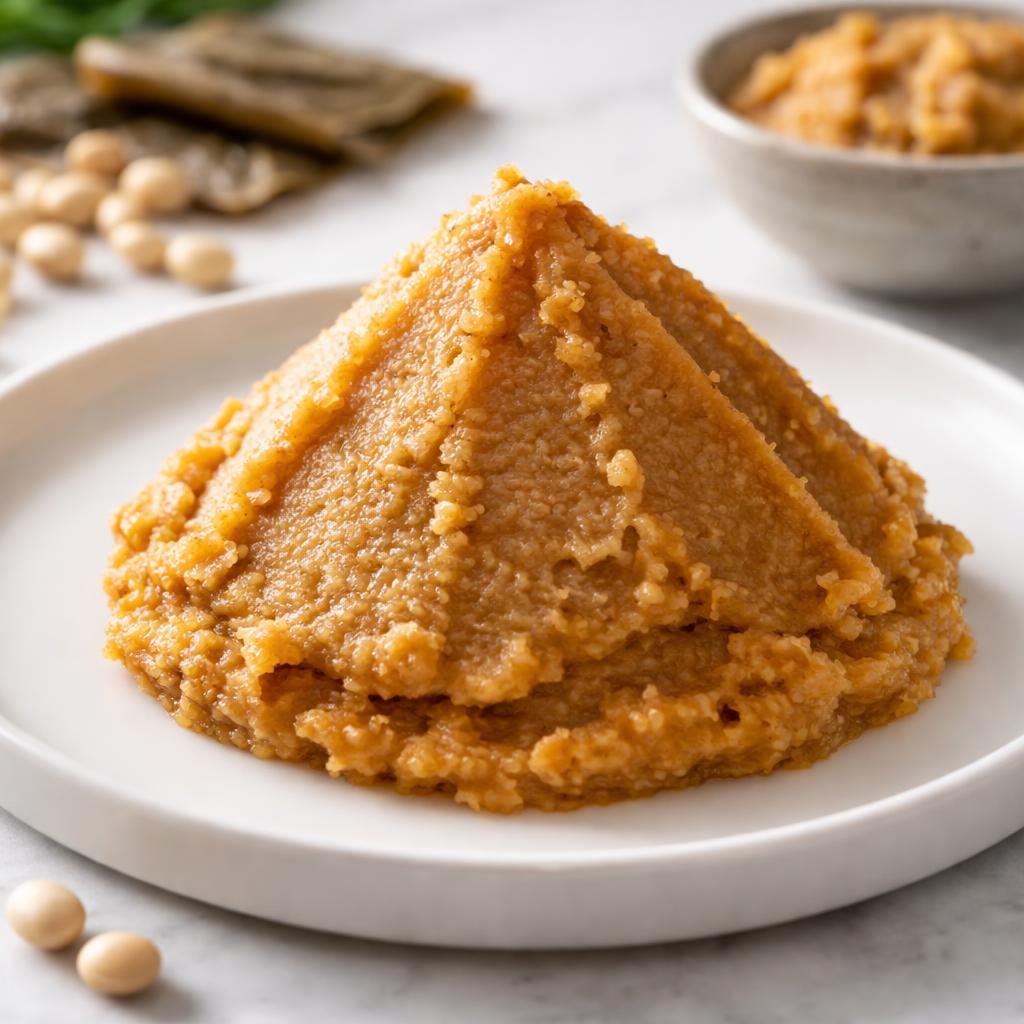
Miso
🎯 Quick Verdict
Rice and miso are nutritionally distinct. Rice is lower in calories and provides more carbohydrates, making it a great energy source. Miso excels in protein, fiber, and micronutrients, making it better for those seeking nutrient density. Rice is versatile as a base, while miso works well in small amounts for flavor and health benefits.

Smart Nutrition Tracking with SnapCalorie

📊 Nutritional Comparison
Macronutrients
| Nutrient | Food 1 | Food 2 | Winner |
|---|---|---|---|
| Calories | 130 (per 100g, cooked) | 66 (per 100g) | ✓ |
| Protein | 2.7g | 3.3g | ✓ |
| Carbs | 28g | 7.2g | ✓ |
| Fat | 0.3g | 2g | ✓ |
| Fiber | 0.4g | 1.2g | ✓ |
Vitamins & Minerals
| Nutrient | Food 1 | Food 2 | Winner |
|---|---|---|---|
| Vitamin D | 0mcg | 0.2mcg | ✓ |
| Calcium | 10mg | 25mg | ✓ |
| Iron | 0.2mg | 0.9mg | ✓ |
| Sodium | 1mg | 3720mg | ✓ |
🏆 Category Winners
Protein
Miso has slightly more protein per serving, making it a better choice for a protein boost.
Fiber
Miso contains three times the fiber content of rice.
Calories
Rice has nearly half the calories compared to miso per equivalent serving size.
Vitamins
Miso provides more calcium, iron, and trace vitamins like vitamin D.
🥗 Diet Compatibility
Keto
Food 1: Not Compatible
Food 2: Compatible
Miso is low in carbohydrates, whereas rice is predominantly carbohydrate-based.
Vegan
Food 1: Compatible
Food 2: Compatible
Both rice and miso are plant-based.
Gluten Free
Food 1: Compatible
Food 2: Not Compatible
Rice is inherently gluten-free, but miso may contain wheat depending on production.
Paleo
Food 1: Not Compatible
Food 2: Not Compatible
Neither rice nor miso fits strict Paleo guidelines.
Low Carb
Food 1: Not Compatible
Food 2: Compatible
Rice is high-carb, while miso is lower-carb in small portions.
💪 Health Benefits Comparison
Food 1 Benefits
- Provides a quick source of energy from carbohydrates
- Easy to digest and gentle on the stomach
- Low in fat, making it suitable for light meals
Food 2 Benefits
- Rich in probiotics for gut health
- Contains essential minerals like calcium and iron
- Offers moderate amounts of protein for muscle repair
✅ The Bottom Line
Choose rice for energy and carbohydrate-focused meals, ideal for sports or recovery. Opt for miso when prioritizing nutrient density, gut health, and flavor enhancement in dishes. Both can complement each other in many recipes.
Choose Food 1 for: Energy-focused meals, carb replenishment, simple dishes
Choose Food 2 for: Gut health, savory flavor, nutrient-dense additions


