Rice VS Meat Stick
A detailed nutritional comparison
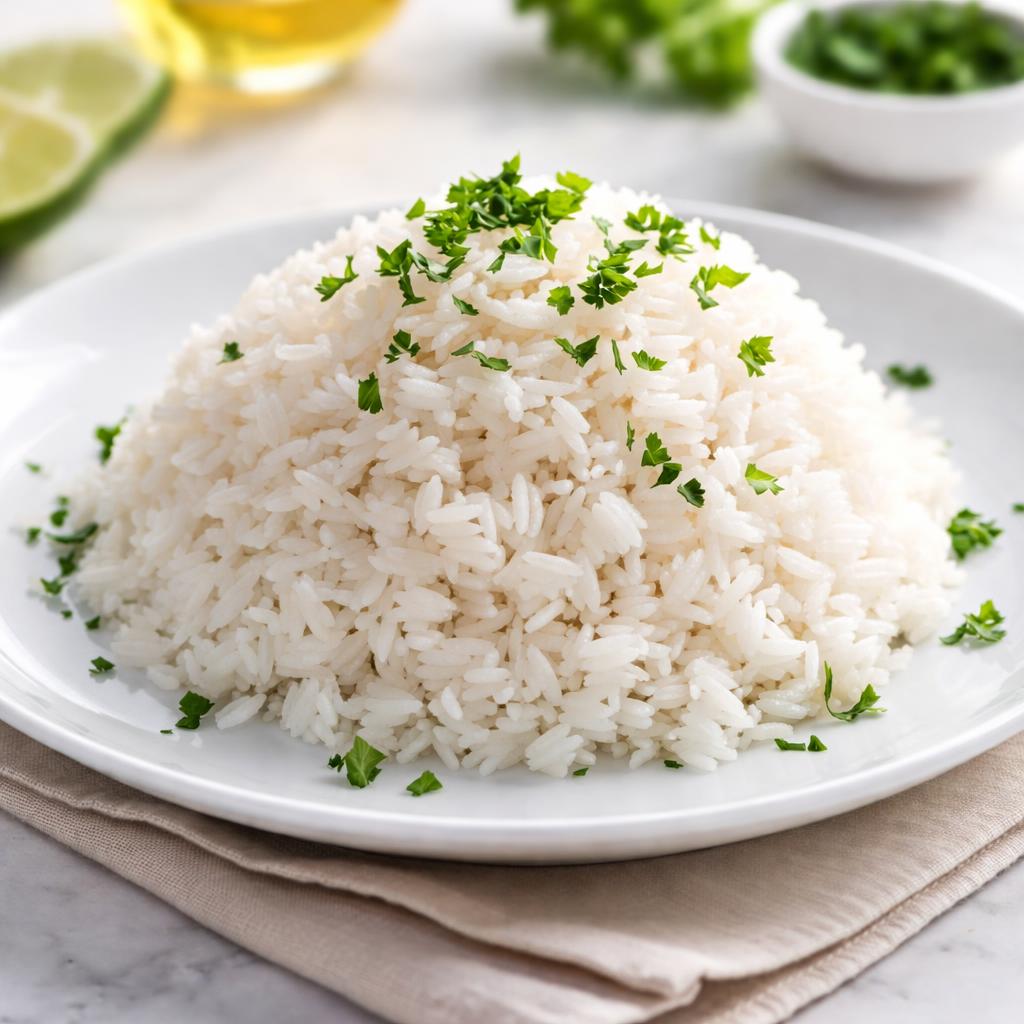
Rice
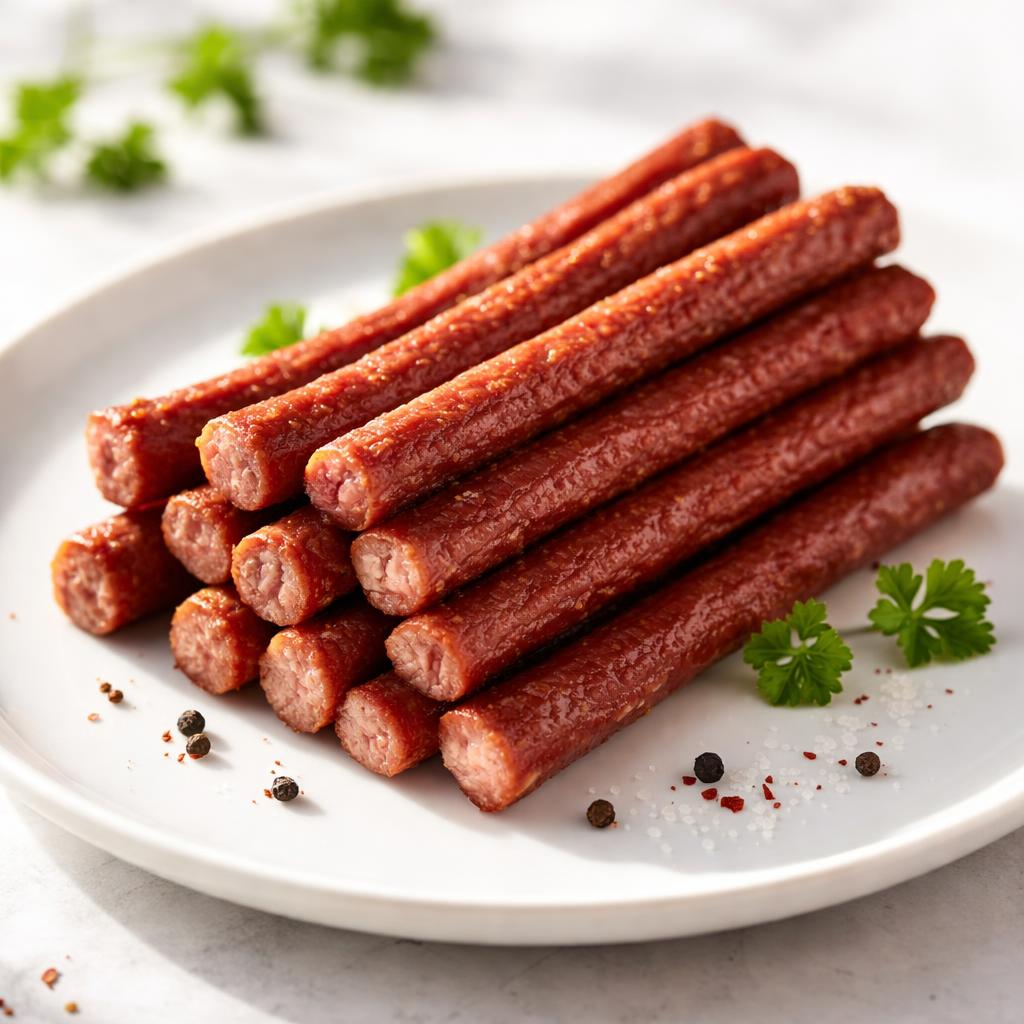
Meat Stick
🎯 Quick Verdict
Rice is a carbohydrate-rich food with higher fiber content, making it a good choice for energy and digestion. Meat sticks, on the other hand, offer significantly more protein and fat, making them ideal for muscle building and satiety. Both foods serve distinct dietary needs depending on goals like energy vs protein intake.

Smart Nutrition Tracking with SnapCalorie

📊 Nutritional Comparison
Macronutrients
| Nutrient | Food 1 | Food 2 | Winner |
|---|---|---|---|
| Calories | 130 | 150 | ✓ |
| Protein | 2g | 8g | ✓ |
| Carbs | 28g | 2g | ✓ |
| Fat | 0.5g | 10g | ✓ |
| Fiber | 1g | 0g | ✓ |
Vitamins & Minerals
| Nutrient | Food 1 | Food 2 | Winner |
|---|---|---|---|
| Vitamin D | 0mcg | 1.5mcg | ✓ |
| Calcium | 10mg | 20mg | ✓ |
| Iron | 0.2mg | 1mg | ✓ |
🏆 Category Winners
Protein
Food2 (meat stick) has 4x more protein per serving than food1 (rice).
Fiber
Food1 (rice) contains 1g of fiber, while food2 (meat stick) has none.
Calories
Food1 has 13% fewer calories than food2.
🥗 Diet Compatibility
Keto
Food 1: Not Compatible
Food 2: Compatible
Food2 is low-carb while food1 is high-carb.
Vegan
Food 1: Compatible
Food 2: Not Compatible
Food1 (rice) is plant-based, while food2 (meat stick) is animal-based.
Gluten Free
Food 1: Compatible
Food 2: Compatible
Neither food contains gluten.
Paleo
Food 1: Not Compatible
Food 2: Compatible
Rice is a grain, which is excluded in the paleo diet, but meat sticks fit paleo principles.
Low-Carb
Food 1: Not Compatible
Food 2: Compatible
Food1 is high-carb (~28g), while food2 is suitable for low-carb diets (~2g carbs).
💪 Health Benefits Comparison
Food 1 Benefits
- Provides sustained energy from complex carbohydrates
- Supports digestive health with fiber content
- Lower in calories, beneficial for weight management
Food 2 Benefits
- High in protein for muscle building and repair
- Rich in healthy fats for satiety and energy
- Contains essential minerals like iron and calcium
✅ The Bottom Line
Choose rice for sustained energy and a fiber-rich addition to meals, ideal for plant-based diets or high-energy activities. Opt for meat sticks when looking for a high-protein, low-carb snack that supports muscle building and satiety.
Choose Food 1 for: Energy-driven activities, vegan diets, weight management
Choose Food 2 for: Low-carb diets, muscle building, on-the-go protein snack


