Rice VS Meat Sauce
A detailed nutritional comparison
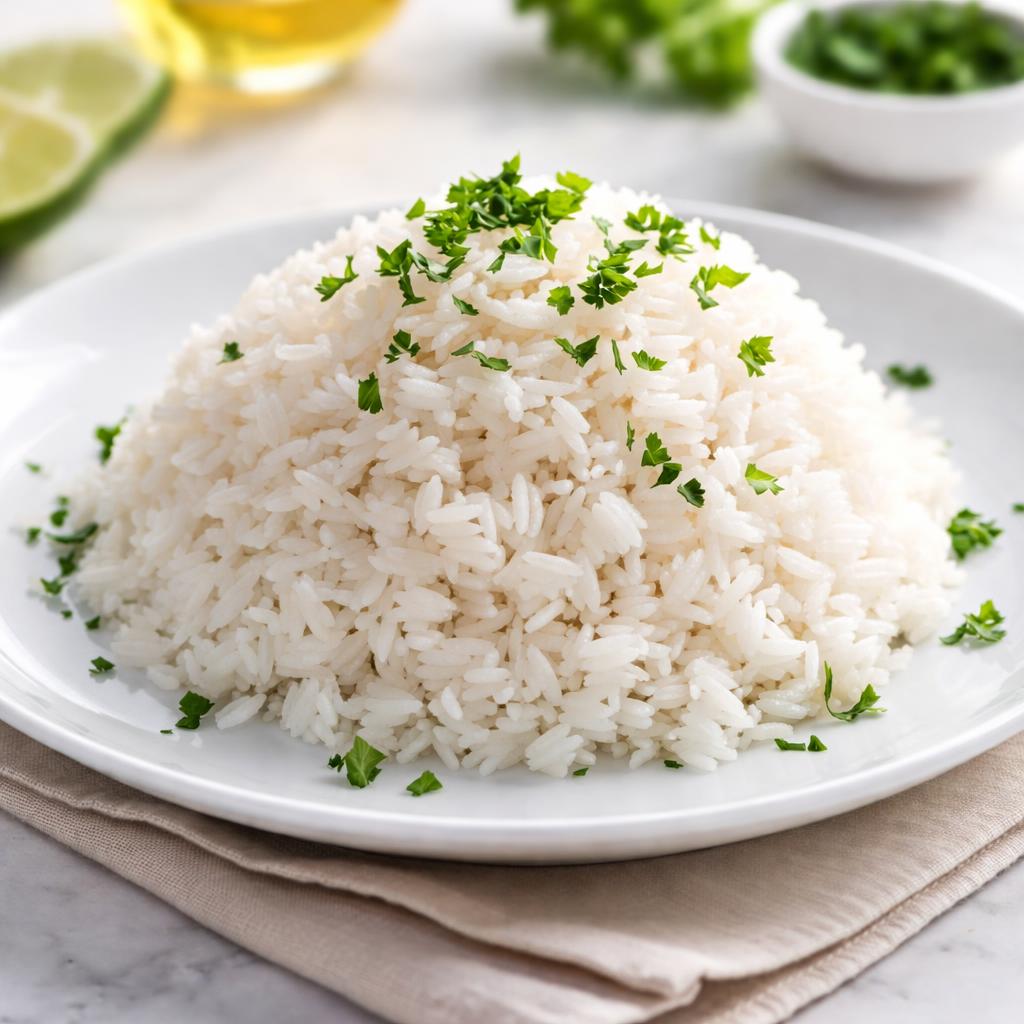
Rice
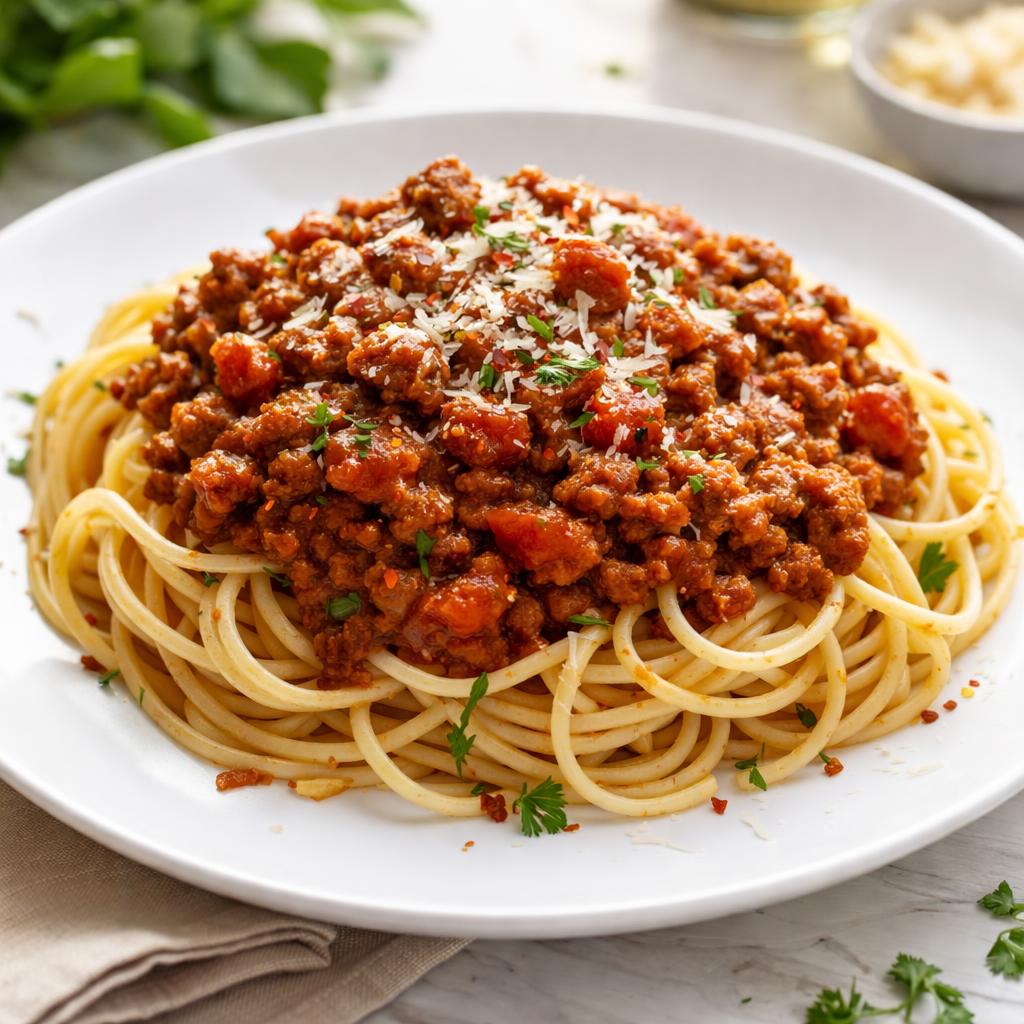
Meat Sauce
🎯 Quick Verdict
Rice is a lower-calorie, high-carbohydrate option that provides modest fiber. On the other hand, meat sauce offers significantly higher protein and fat content, making it more suitable for muscle building or satiation. Rice works well for energy-focused meals, while meat sauce is ideal for protein-rich diets and flavor enhancement.

Smart Nutrition Tracking with SnapCalorie

📊 Nutritional Comparison
Macronutrients
| Nutrient | Food 1 | Food 2 | Winner |
|---|---|---|---|
| Calories | 130 (per 100g) | 197 (per 100g) | ✓ |
| Protein | 2.7g | 14g | ✓ |
| Carbs | 28g | 6g | ✓ |
| Fat | 0.3g | 10g | ✓ |
| Fiber | 0.4g | 0.2g | ✓ |
Vitamins & Minerals
| Nutrient | Food 1 | Food 2 | Winner |
|---|---|---|---|
| Vitamin D | 0mcg | 0.5mcg | ✓ |
| Calcium | 10mg | 35mg | ✓ |
| Iron | 0.2mg | 1mg | ✓ |
🏆 Category Winners
Protein
Meat sauce contains over 400% more protein than rice.
Fiber
Rice has double the fiber content compared to meat sauce.
Calories
Rice has fewer calories, making it a lighter option.
Vitamins
Meat sauce provides more Vitamin D, calcium, and iron.
🥗 Diet Compatibility
Keto
Food 1: Not Compatible
Food 2: Compatible
Rice is high in carbs, while meat sauce is low-carb.
Vegan
Food 1: Compatible
Food 2: Not Compatible
Rice is plant-based, while meat sauce contains animal products.
Gluten Free
Food 1: Compatible
Food 2: Check ingredients
Rice is naturally gluten-free, but meat sauce may contain gluten-based thickeners.
Paleo
Food 1: Not Compatible
Food 2: Mostly Compatible
Rice is excluded from paleo diets, while meat sauce may fit paleo guidelines if properly prepared.
Low Carb
Food 1: Not Compatible
Food 2: Compatible
Rice has high carbs, while meat sauce is low in carbohydrates, suitable for low-carb diets.
💪 Health Benefits Comparison
Food 1 Benefits
- Provides quick energy due to high carbohydrate content
- Low in fat, suitable for low-fat diets
- Easy to digest for sensitive stomachs
Food 2 Benefits
- Rich in protein for muscle building and repair
- Contains healthy fats for long-lasting energy
- Provides key micronutrients like iron and calcium for bone health
✅ The Bottom Line
Choose rice for quick energy, low-calorie meals, or as a carbohydrate base for dishes. Pick meat sauce for high-protein diets, keto/low-carb compatibilities, or as a savory addition for flavor and nutrition. Both have unique uses depending on dietary priorities.
Choose Food 1 for: Energy-focused meals, light carb-based diets, vegan options
Choose Food 2 for: Protein-rich diets, keto/low-carb plans, flavorful dishes


