Rice VS Mango Salad
A detailed nutritional comparison
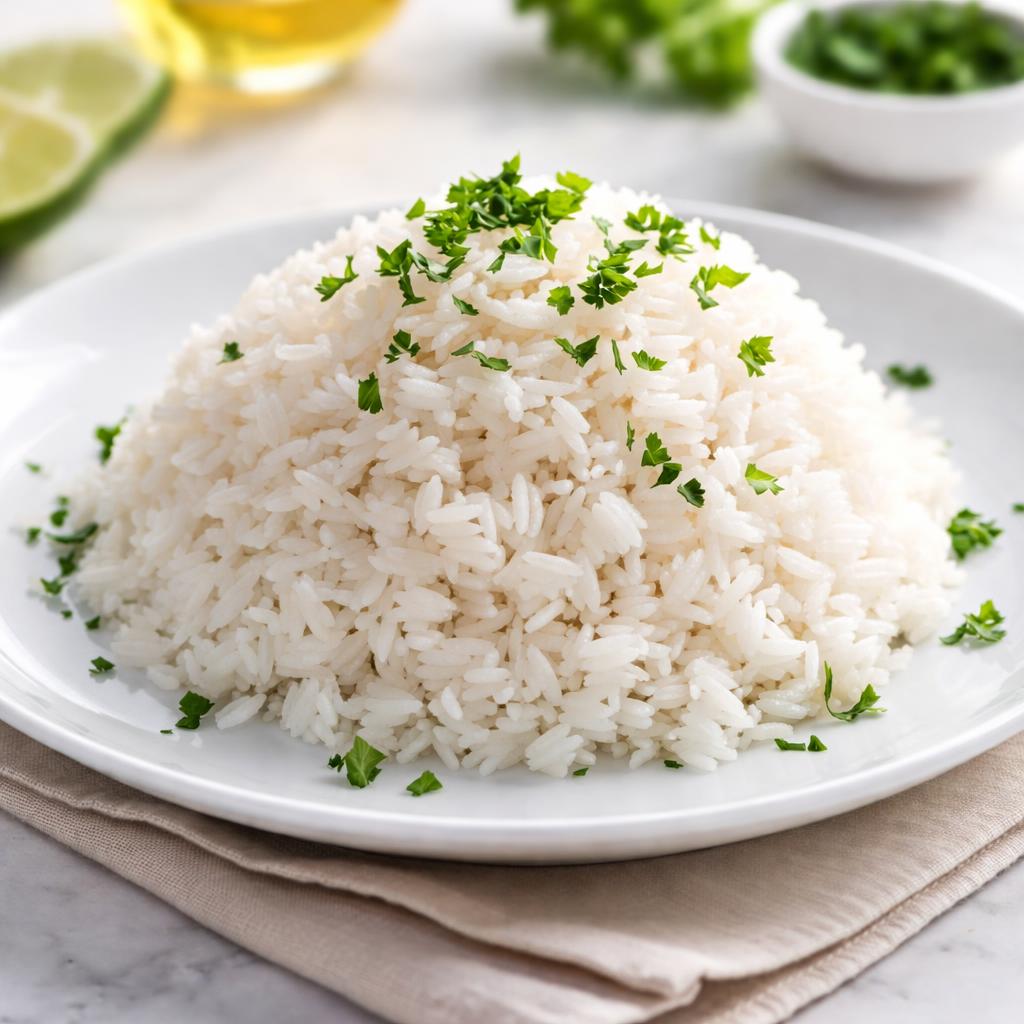
Rice
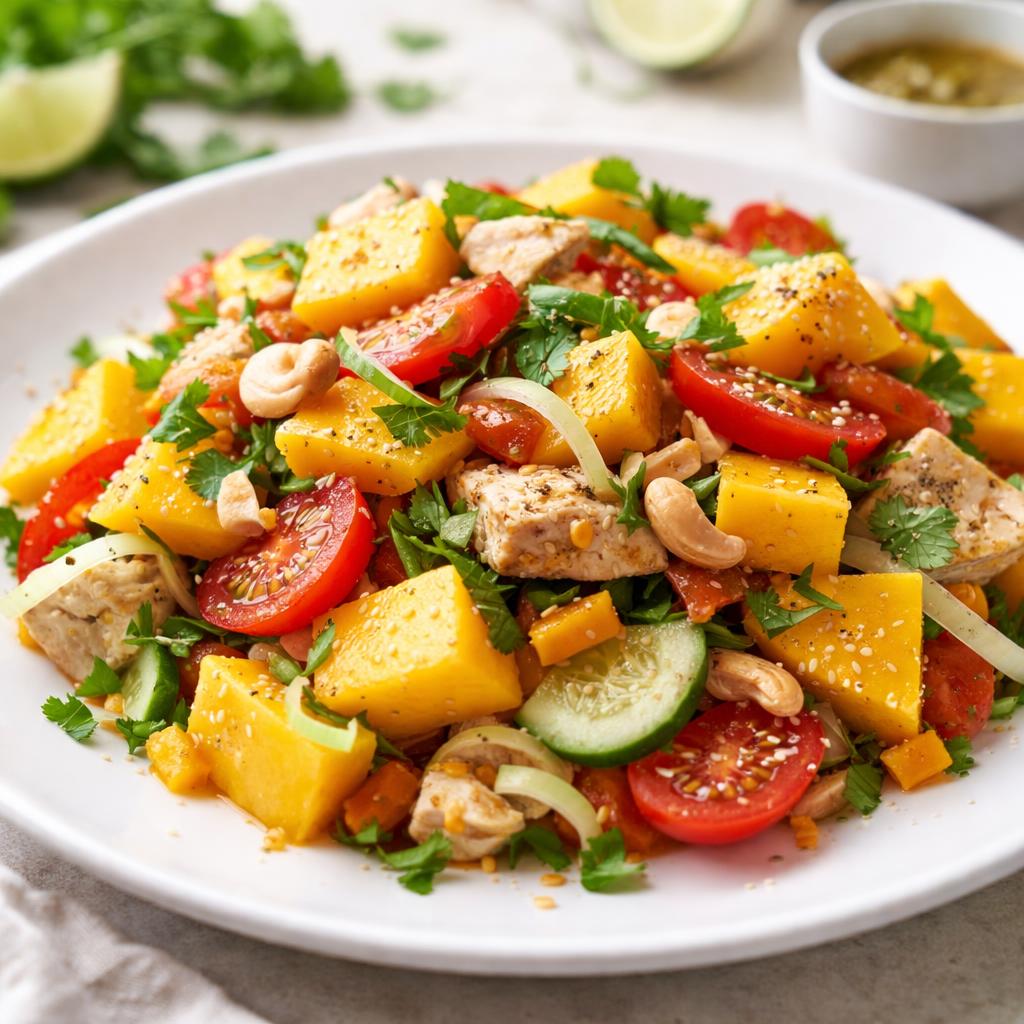
Mango Salad
🎯 Quick Verdict
Rice is a calorie-dense and versatile staple food offering a quick energy boost, but low in protein and fiber. Mango salad, on the other hand, is a nutrient-rich, lower-calorie option, with notable vitamins, fiber, and antioxidants. Rice is ideal for fueling high-energy activities, while mango salad suits lighter, nutrient-focused meals or snacks.

Smart Nutrition Tracking with SnapCalorie

📊 Nutritional Comparison
Macronutrients
| Nutrient | Food 1 | Food 2 | Winner |
|---|---|---|---|
| Calories | 205 per cup | 150 per cup | ✓ |
| Protein | 4g per cup | 5g per cup | ✓ |
| Carbs | 45g per cup | 20g per cup | ✓ |
| Fat | 0.5g per cup | 5g per cup | ✓ |
| Fiber | 0.6g per cup | 4g per cup | ✓ |
Vitamins & Minerals
| Nutrient | Food 1 | Food 2 | Winner |
|---|---|---|---|
| Vitamin C | 0mg | 60mg (100% DV) | ✓ |
| Vitamin A | 0 IU | 900 IU (30% DV) | ✓ |
| Potassium | 50mg | 300mg | ✓ |
🏆 Category Winners
Protein
Mango salad has 25% more protein per serving.
Fiber
Mango salad contains 6x the fiber of rice per serving.
Calories
Mango salad has 27% fewer calories per serving.
Vitamins
Mango salad is rich in vitamin C, A, and potassium, unlike rice.
🥗 Diet Compatibility
Keto
Food 1: Not Compatible
Food 2: Not Compatible
Both foods contain a high carbohydrate content.
Vegan
Food 1: Compatible
Food 2: Compatible
Both are plant-based.
Gluten Free
Food 1: Compatible
Food 2: Compatible
Neither contains gluten.
Paleo
Food 1: Not Compatible
Food 2: Compatible
Rice is excluded from paleo diets, but mango salad fits.
Low Carb
Food 1: Not Compatible
Food 2: Compatible
Mango salad is lower in carbohydrates compared to rice.
💪 Health Benefits Comparison
Food 1 Benefits
- Excellent source of quick energy due to high carbohydrate content.
- Low-fat option for those monitoring fat intake.
- Versatile and easy to pair with various protein and vegetable dishes.
Food 2 Benefits
- Rich in vitamin C for enhanced immune function.
- High fiber content for improved digestion and gut health.
- Contains healthy fats (from added nuts/seeds/avocado) for better heart health.
- Provides antioxidants to combat inflammation and oxidative stress.
✅ The Bottom Line
Rice is best for athletes or individuals seeking a high-carb energy source for intense activity, while mango salad offers a nutrient-packed, lower-calorie option for light meals or snacks. Mango salad is the winner nutritionally due to higher vitamins, fiber, and balanced macros.
Choose Food 1 for: Athletes, energy-focused meals, comfort food
Choose Food 2 for: Weight management, nutrient-dense meals, digestion support


