Rice VS Mango
A detailed nutritional comparison
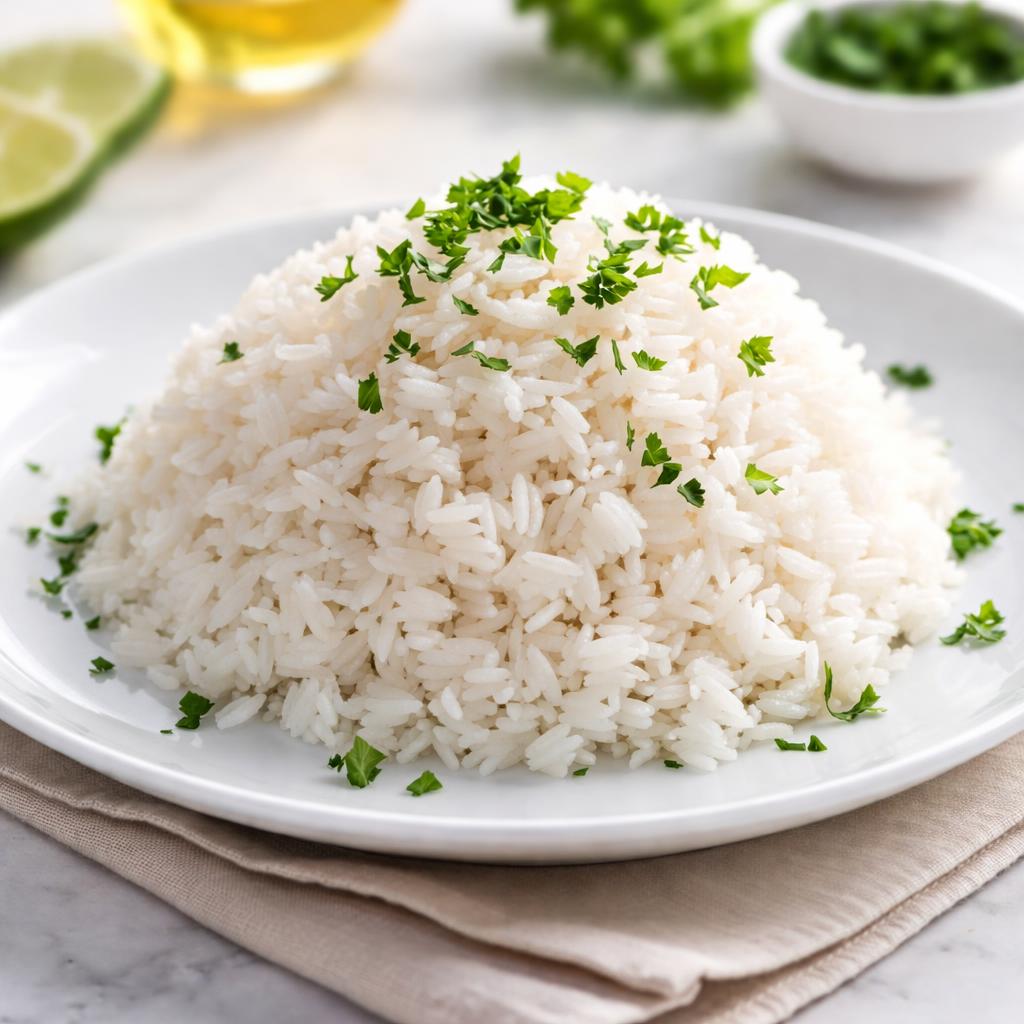
Rice
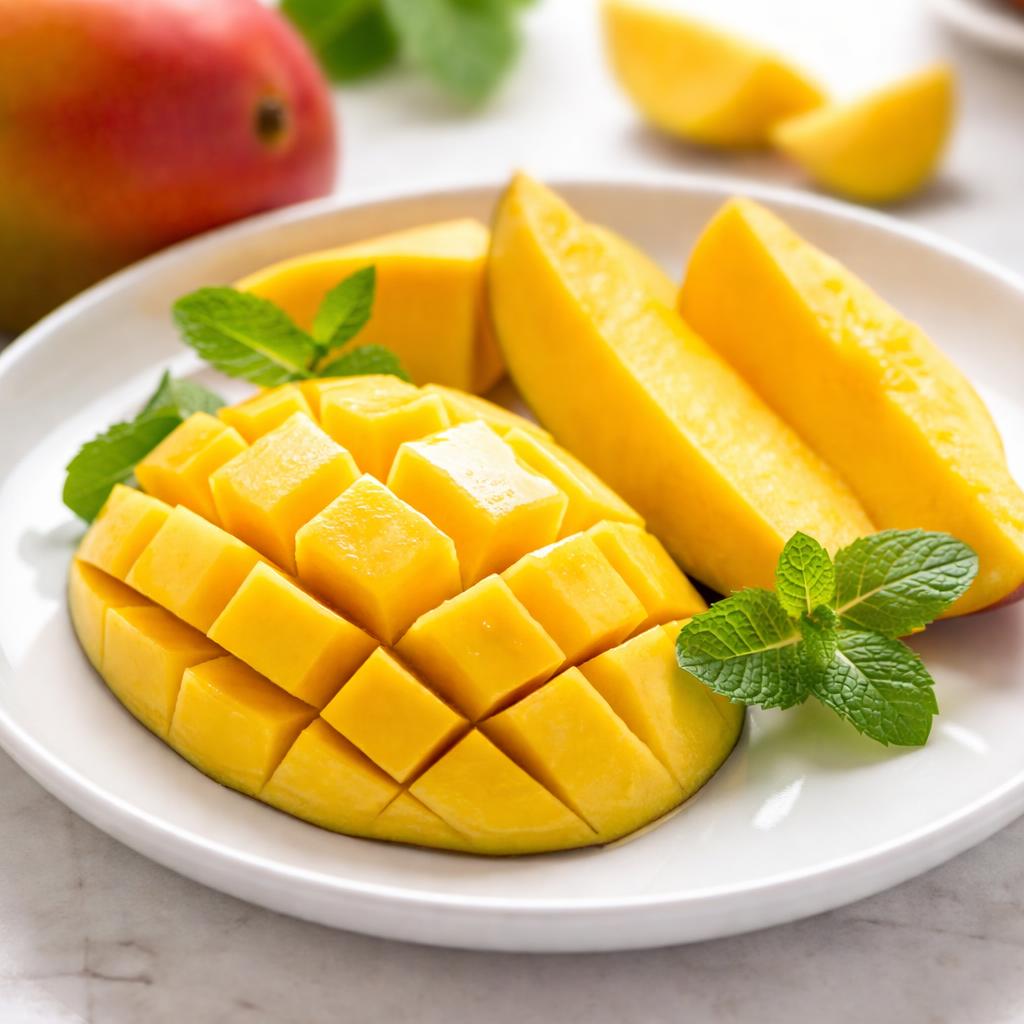
Mango
🎯 Quick Verdict
Rice is a staple carbohydrate source, providing more protein and a steady energy source, while mango is a nutrient-dense fruit with fewer calories, more fiber, and high vitamin content. Rice is best for fueling workouts or pairing with high-protein dishes, whereas mango is ideal for snacking and boosting vitamin intake.

Smart Nutrition Tracking with SnapCalorie

📊 Nutritional Comparison
Macronutrients
| Nutrient | Food 1 | Food 2 | Winner |
|---|---|---|---|
| Calories | 206 calories (per cup, cooked) | 99 calories (per cup, sliced) | ✓ |
| Protein | 4.25g | 1.35g | ✓ |
| Carbs | 44.5g | 24.7g | ✓ |
| Fat | 0.44g | 0.6g | − |
| Fiber | 0.6g | 2.6g | ✓ |
Vitamins & Minerals
| Nutrient | Food 1 | Food 2 | Winner |
|---|---|---|---|
| Vitamin C | 0mg | 60mg | ✓ |
| Vitamin A | 0IU | 1,785IU | ✓ |
| Vitamin K | 0.2mcg | 5.8mcg | ✓ |
| Potassium | 55mg | 277mg | ✓ |
| Magnesium | 12mg | 19mg | ✓ |
🏆 Category Winners
Protein
Rice provides over 3x as much protein as mango per serving.
Fiber
Mango contains over 4x the fiber, aiding digestion.
Calories
Mango has half the calories of rice, making it more weight-loss friendly.
Vitamins
Mango is packed with essential vitamins like vitamin C, A, and K that rice lacks.
🥗 Diet Compatibility
Keto
Food 1: Not Compatible
Food 2: Not Compatible
Both foods are high in carbs and unsuitable for keto diets.
Vegan
Food 1: Compatible
Food 2: Compatible
Both are plant-based and fit vegan diets.
Gluten Free
Food 1: Compatible
Food 2: Compatible
Neither food contains gluten, making both safe for celiac disease.
Paleo
Food 1: Compatible
Food 2: Compatible
Both are natural whole foods, suitable for paleo diets.
Low-Carb
Food 1: Not Compatible
Food 2: Partially Compatible
Mango is relatively lower in carbs compared to rice but still not ideal for strict low-carb diets.
💪 Health Benefits Comparison
Food 1 Benefits
- Provides a steady source of energy due to complex carbohydrates
- Low in fat, suitable for calorie-controlled diets
- Mild allergen profile, making it a safe option for most people
Food 2 Benefits
- High in vitamin C for boosting immunity and healthy skin
- A rich source of dietary fiber for promoting digestive health
- Contains antioxidants like beta-carotene for cellular protection
✅ The Bottom Line
Choose rice when you need a filling, versatile carbohydrate source or when pairing with protein-rich meals. Opt for mango when looking for a nutritious, low-calorie snack with high vitamin and fiber content.
Choose Food 1 for: Post-workout meals, energy boosts, carb-loading for athletes
Choose Food 2 for: Weight loss, immune system support, healthy snacking


