Rice VS Maki
A detailed nutritional comparison
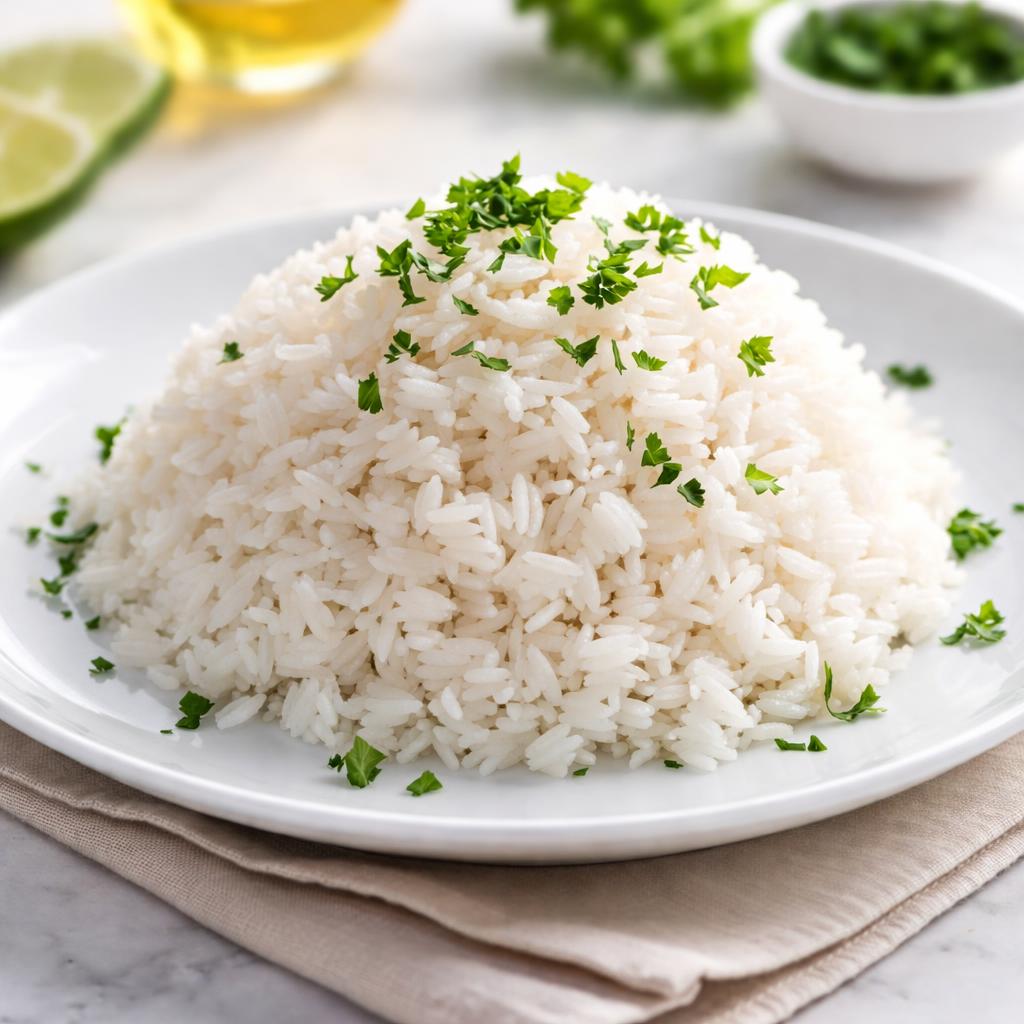
Rice
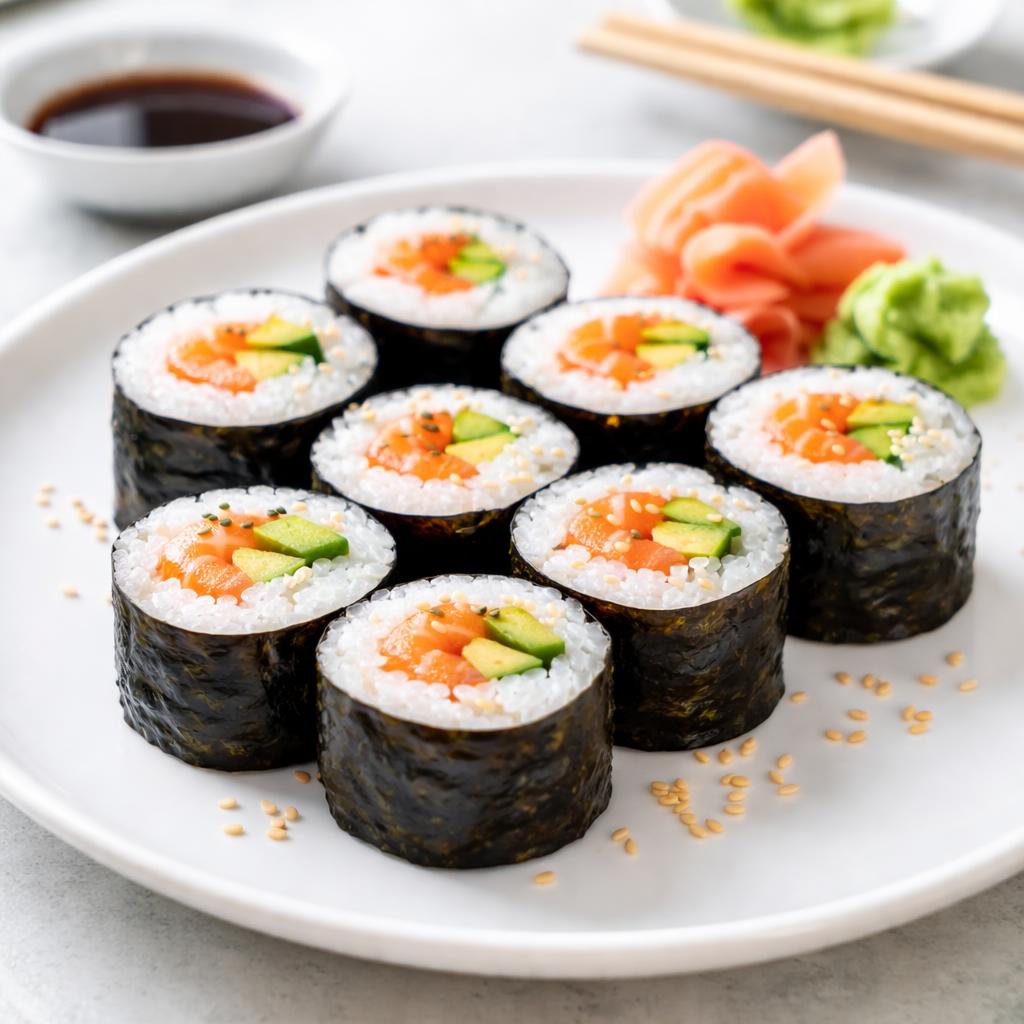
Maki
🎯 Quick Verdict
Rice is a staple grain that provides simple carbohydrates for energy, while maki (sushi rolls) offer a more balanced nutritional profile, including protein from fish, fiber from veggies, and healthy fats from avocado or seaweed. Rice is great for quick energy boosts, whereas maki suits more diverse nutritional needs in a single serving.

Smart Nutrition Tracking with SnapCalorie

📊 Nutritional Comparison
Macronutrients
| Nutrient | Food 1 | Food 2 | Winner |
|---|---|---|---|
| Calories | 130 | 130 | − |
| Protein | 2g | 6g | − |
| Carbs | 28g | 22g | − |
| Fat | 0g | 4g | − |
| Fiber | 0.2g | 1.5g | − |
Vitamins & Minerals
| Nutrient | Food 1 | Food 2 | Winner |
|---|---|---|---|
| Vitamin D | 0mcg | 1mcg | − |
| Calcium | 10mg | 15mg | − |
| Iron | 0.2mg | 0.5mg | − |
🏆 Category Winners
Protein
Maki contains fish and other protein-rich ingredients, providing 3x the protein of rice.
Fiber
Maki includes vegetables and seaweed, offering significantly more fiber.
Calories
Both foods have similar calorie counts per serving size.
Vitamins
Maki’s ingredients contribute more vitamin D, calcium, and iron compared to plain rice.
🥗 Diet Compatibility
Keto
Food 1: Not Compatible
Food 2: Not Compatible
Both are high in carbohydrates.
Vegan
Food 1: Compatible
Food 2: Not Compatible
Rice is plant-based, but maki typically includes animal-based ingredients such as fish.
Gluten Free
Food 1: Compatible
Food 2: Compatible
Neither food contains gluten (note: check added sauces).
Paleo
Food 1: Not Compatible
Food 2: Not Compatible
Rice and maki are not considered paleo-friendly due to processed grains.
Low Carb
Food 1: Not Compatible
Food 2: Not Compatible
Both are carb-dense staples and therefore not suitable for low-carb diets.
💪 Health Benefits Comparison
Food 1 Benefits
- Provides quick energy due to high carbohydrate content
- Easy to digest for sensitive stomachs
- Can be paired with various nutrient-rich toppings
Food 2 Benefits
- Rich in protein for muscle maintenance
- Contains fiber for better digestion
- Includes omega-3 fatty acids if made with fish, supporting heart health
- Provides vitamins and minerals from seaweed and vegetables
✅ The Bottom Line
Choose rice for simplicity and quick energy, especially if you're looking for a base ingredient or are on a plant-based diet. Opt for maki when seeking a nutrient-balanced meal rich in protein, fiber, and healthy fats from fish and vegetables.
Choose Food 1 for: Athletes needing quick energy, meal prepping, plant-based diets
Choose Food 2 for: Balanced meals, heart health, high-protein diets


