Rice VS Lollipops
A detailed nutritional comparison
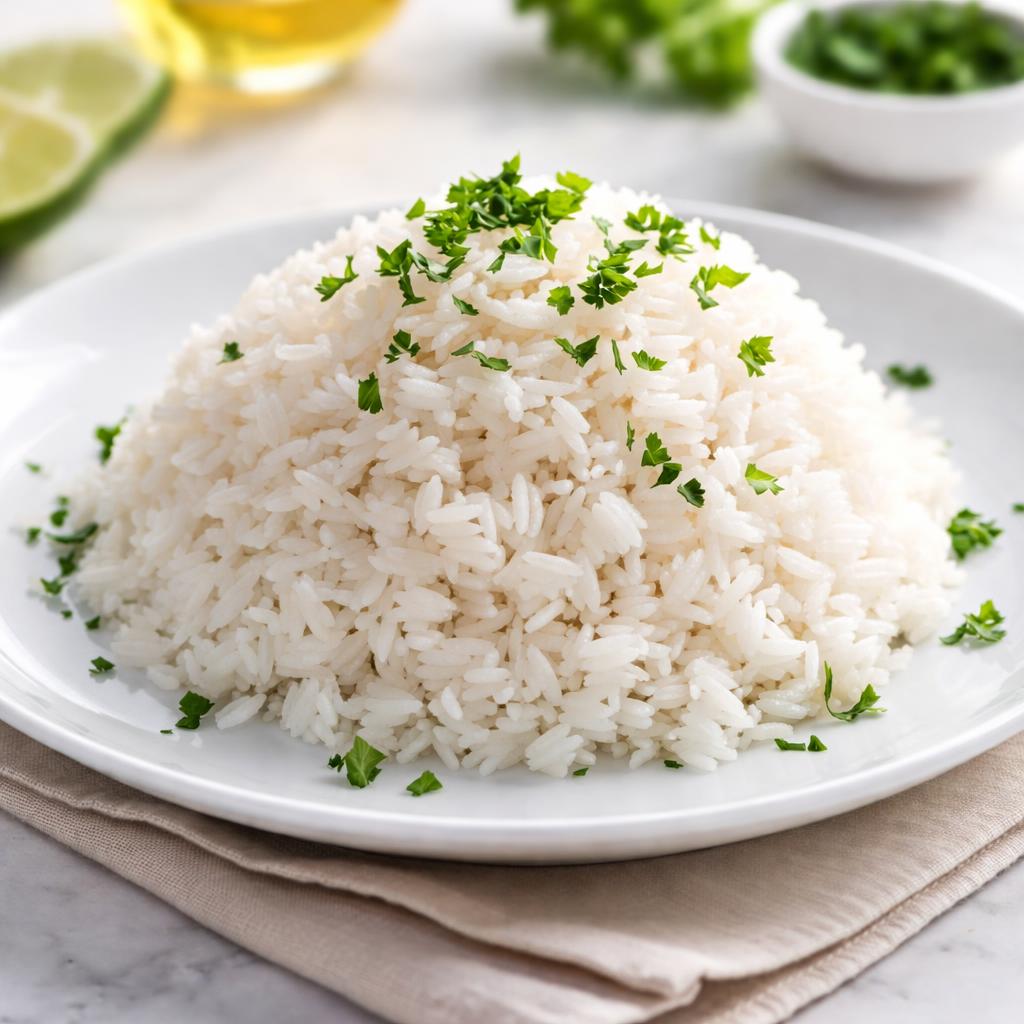
Rice
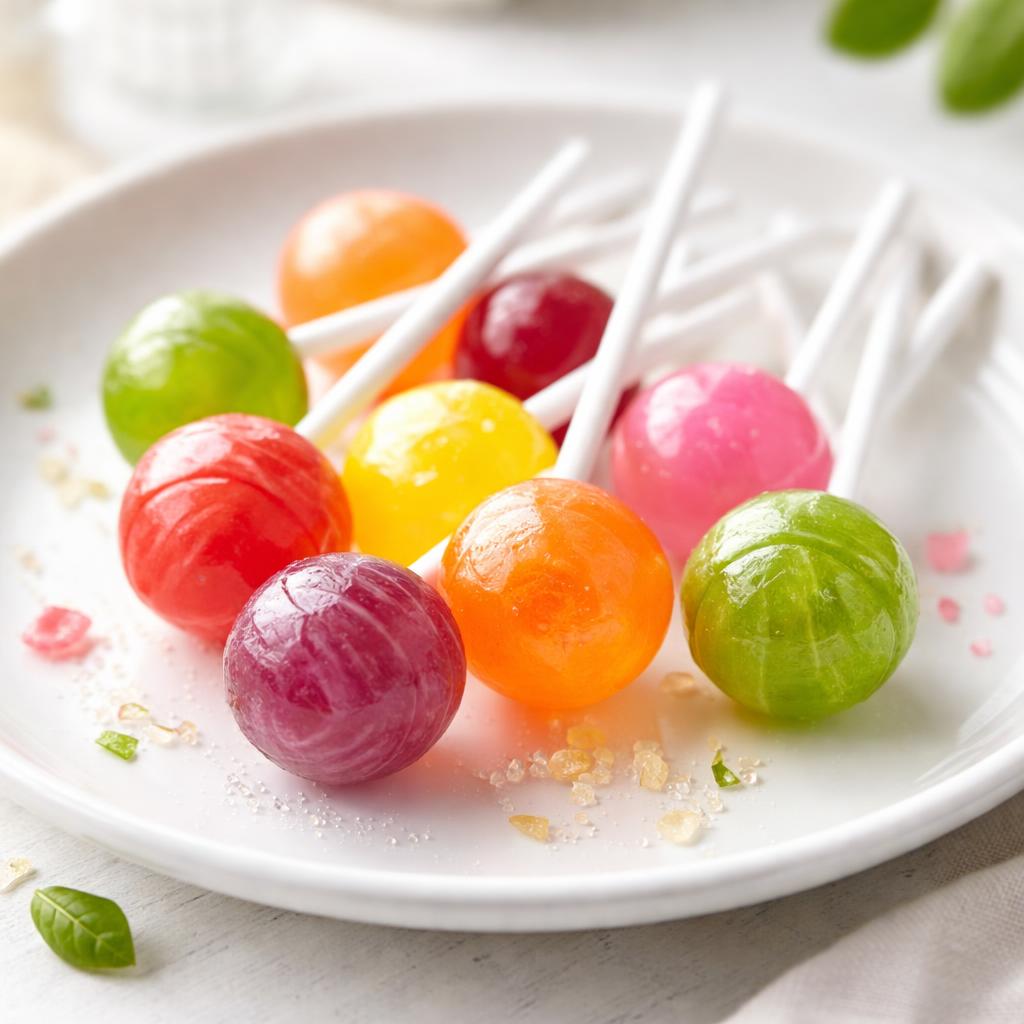
Lollipops
🎯 Quick Verdict
Rice is a far more nutritious food option than lollipops, offering protein, fiber, and essential vitamins and minerals, while lollipops largely provide sugar and empty calories. Rice can be a staple for balanced meals, whereas lollipops are best reserved for occasional indulgence as a treat due to their lack of nutritional value.

Smart Nutrition Tracking with SnapCalorie

📊 Nutritional Comparison
Macronutrients
| Nutrient | Food 1 | Food 2 | Winner |
|---|---|---|---|
| Calories | 206 | 110 | ✓ |
| Protein | 4.3g | 0g | ✓ |
| Carbs | 45g | 28g | ✓ |
| Fat | 0.4g | 0g | ✓ |
| Fiber | 0.6g | 0g | ✓ |
Vitamins & Minerals
| Nutrient | Food 1 | Food 2 | Winner |
|---|---|---|---|
| Vitamin D | 0mcg | 0mcg | − |
| Calcium | 10mg | 3mg | ✓ |
| Iron | 0.4mg | 0mg | ✓ |
🏆 Category Winners
Protein
Rice contains 4.3g of protein per serving, while lollipops contain none.
Fiber
Rice has 0.6g of fiber, contributing to digestion, while lollipops have none.
Calories
Lollipops are lower in calories (110 vs 206 per serving), but offer limited nutritional value.
🥗 Diet Compatibility
Keto
Food 1: Not Compatible
Food 2: Not Compatible
Both are high in carbohydrates, making them unsuitable for ketogenic diets.
Vegan
Food 1: Compatible
Food 2: Compatible
Both are plant-based and do not contain animal-derived ingredients.
Gluten Free
Food 1: Compatible
Food 2: Compatible
Neither rice nor lollipops contain gluten, assuming no additives.
Paleo
Food 1: Compatible
Food 2: Not Compatible
Rice can fit into some paleo-like diets, while lollipops are processed and do not align with the paleo framework.
Low-Carb
Food 1: Not Compatible
Food 2: Not Compatible
Both foods are high in carbohydrates, with rice containing 45g and lollipops 28g per serving.
💪 Health Benefits Comparison
Food 1 Benefits
- Provides sustained energy from complex carbohydrates
- Contains small amounts of protein for muscle repair
- Offers minimal fat content, making it heart-friendly
- Can support digestion when paired with high-fiber foods
Food 2 Benefits
- Quick source of energy from simple sugars
- May satisfy sweet cravings when consumed in moderation
- Free of fat, but entirely made of sugar
✅ The Bottom Line
Rice is the clear winner nutritionally, offering protein, fiber, and essential minerals, whereas lollipops are nutritionally void and mostly sugar. Choose rice for meals that provide lasting energy and balanced nutrition, and reserve lollipops for occasional treats to curb sugar cravings.
Choose Food 1 for: Balanced meals, sustained energy, post-workout carbohydrate replenishment
Choose Food 2 for: Quick sugar boosts, occasional desserts, satisfying a sweet tooth


