Rice VS Liver
A detailed nutritional comparison
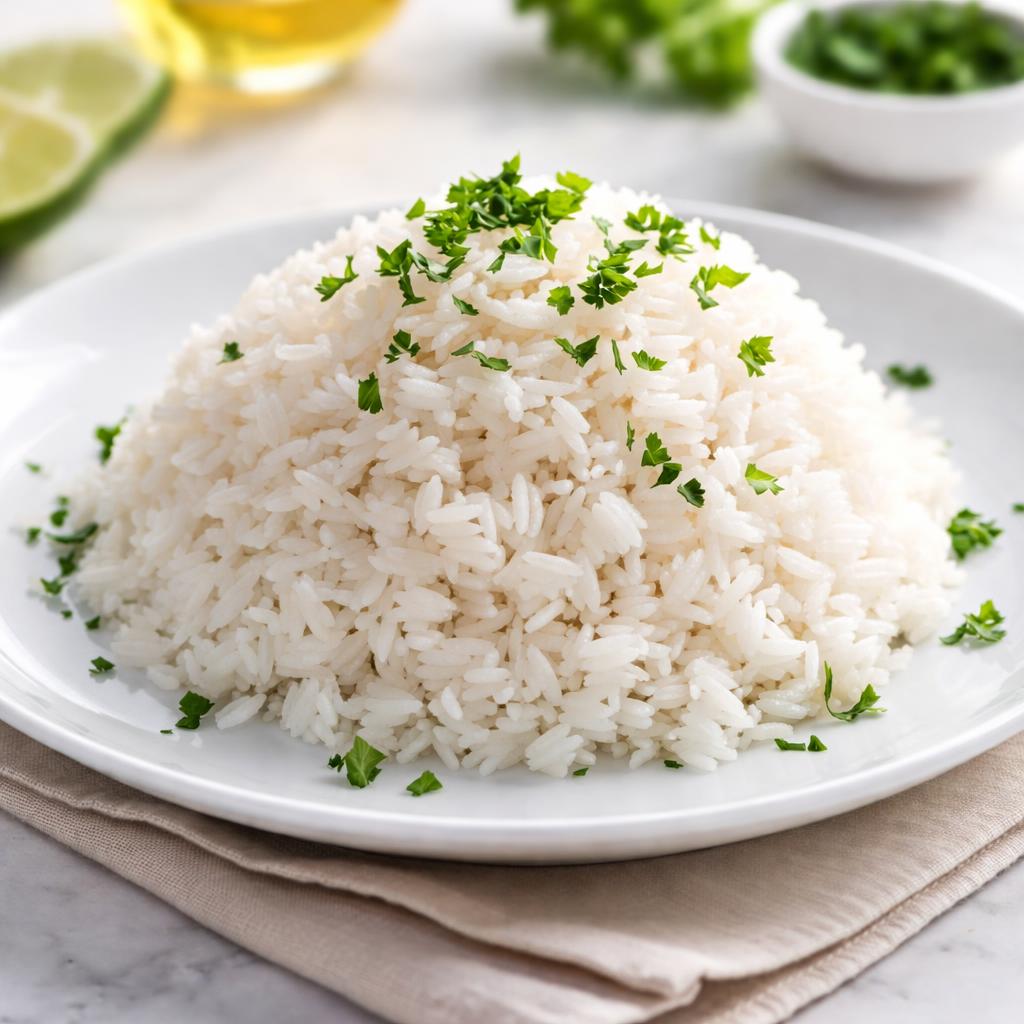
Rice
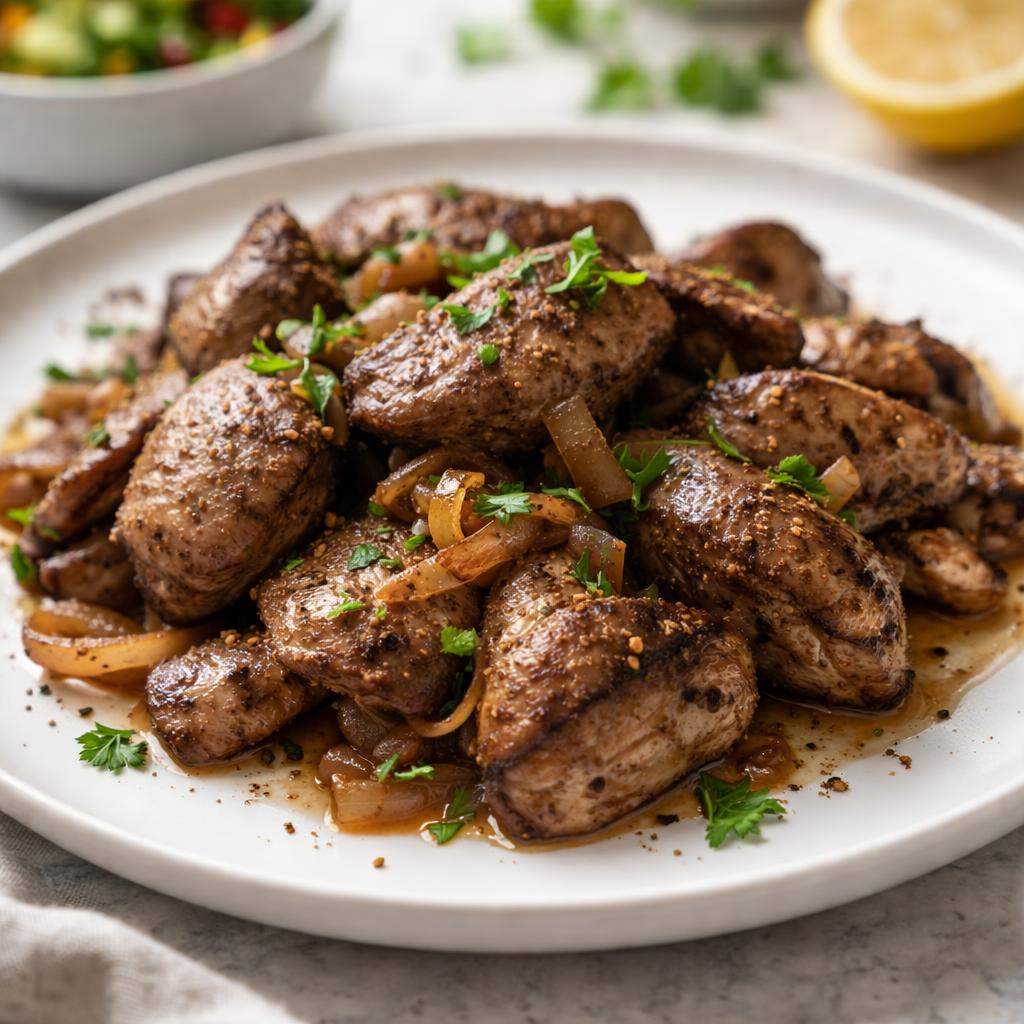
Liver
🎯 Quick Verdict
Liver is significantly richer in protein, vitamins, and minerals, making it a nutrient powerhouse. Rice is a versatile carbohydrate source that provides fiber and energy but lacks the nutrient density of liver. Choose liver for nutrient density and rice when energy from carbs is a priority.

Smart Nutrition Tracking with SnapCalorie

📊 Nutritional Comparison
Macronutrients
| Nutrient | Food 1 | Food 2 | Winner |
|---|---|---|---|
| Calories | 130 (white rice, cooked, per 100g) | 175 (beef liver, cooked, per 100g) | ✓ |
| Protein | 2.7g | 26g | ✓ |
| Carbs | 28g | 4g | ✓ |
| Fat | 0.3g | 4g | ✓ |
| Fiber | 0.4g | 0g | ✓ |
Vitamins & Minerals
| Nutrient | Food 1 | Food 2 | Winner |
|---|---|---|---|
| Vitamin A | 0mcg | 9,442mcg | ✓ |
| Vitamin B12 | 0mcg | 83mcg | ✓ |
| Iron | 0.2mg | 6.5mg | ✓ |
| Calcium | 10mg | 11mg | ✓ |
🏆 Category Winners
Protein
Liver has nearly 10x more protein per serving than rice.
Fiber
Rice contains small amounts of fiber, whereas liver has none.
Calories
Rice has fewer calories per serving, making it better for calorie-conscious meals.
Vitamins
Liver is packed with essential vitamins, including Vitamin A and B12.
🥗 Diet Compatibility
Keto
Food 1: Not Compatible
Food 2: Compatible
Liver is low-carb (4g per serving), while rice is high-carb (28g per serving).
Vegan
Food 1: Compatible
Food 2: Not Compatible
Rice is plant-based, while liver is animal-derived.
Gluten Free
Food 1: Compatible
Food 2: Compatible
Neither food contains gluten.
Paleo
Food 1: Not Compatible
Food 2: Compatible
Liver aligns with paleo principles, while processed grains like rice do not.
Low Carb
Food 1: Not Compatible
Food 2: Compatible
Liver is low-carb, while rice is primarily a carbohydrate source.
💪 Health Benefits Comparison
Food 1 Benefits
- Provides energy through carbohydrates
- Low-calorie option for filling meals
- Contributes small amounts of fiber for digestion
Food 2 Benefits
- Rich in high-quality protein for muscle repair and recovery
- Exceptional source of Vitamin A for vision and immune health
- Contains Vitamin B12, which supports energy production and red blood cell formation
- High iron content for preventing anemia
✅ The Bottom Line
Choose rice for energy and versatility in meals, especially if you're looking for a plant-based carbohydrate source. Opt for liver when prioritizing protein and essential vitamin intake for optimal nutrition.
Choose Food 1 for: Energy, vegan meals, low-calorie diets
Choose Food 2 for: Muscle repair, nutrient-dense diets, anemia support


