Rice VS Lemon Chicken
A detailed nutritional comparison
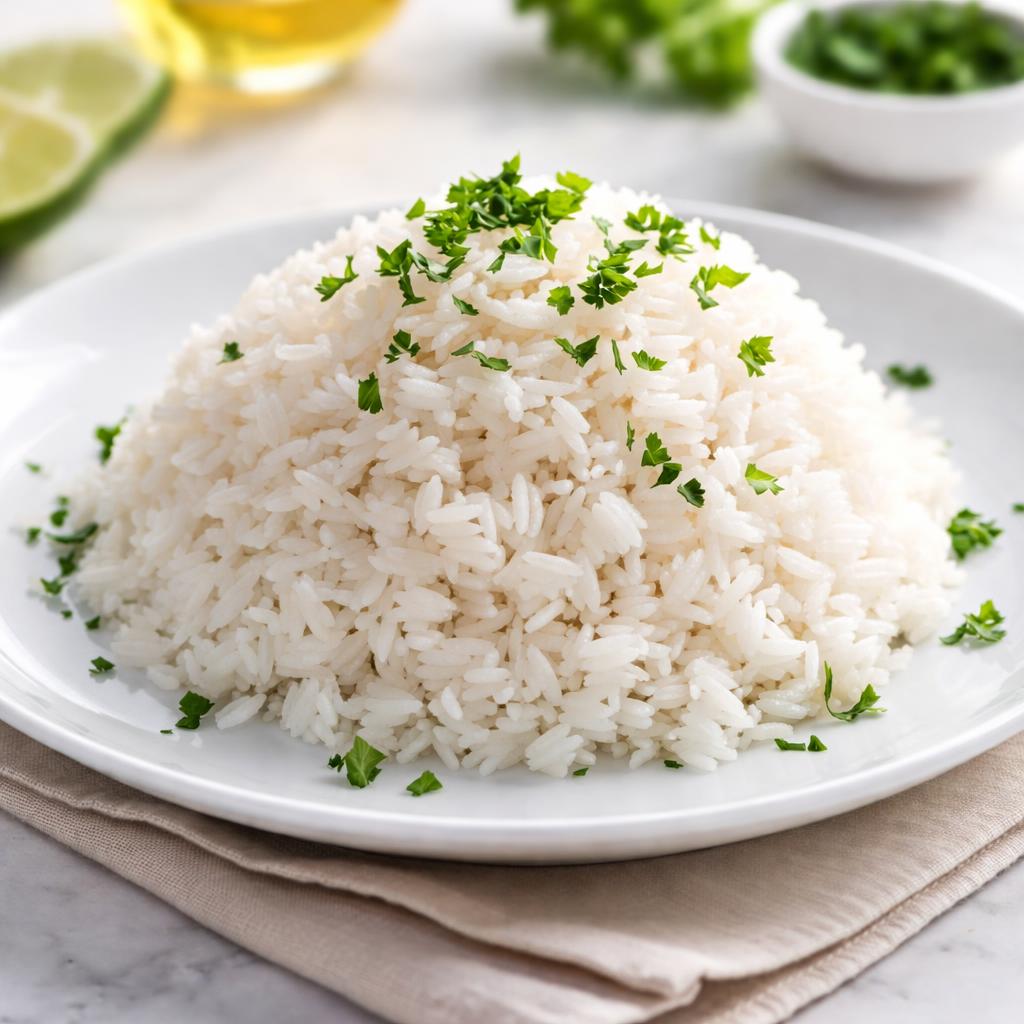
Rice
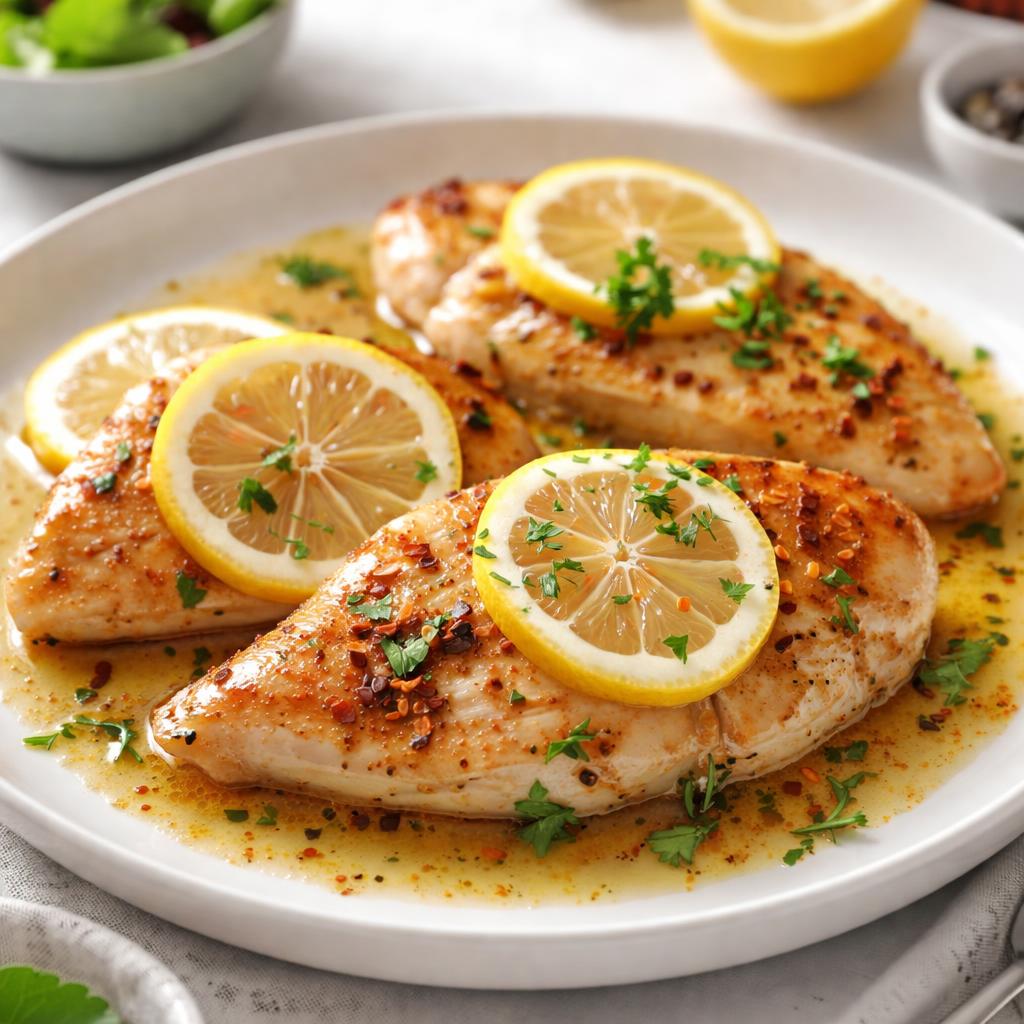
Lemon Chicken
🎯 Quick Verdict
Lemon chicken is significantly higher in protein and contains healthy fats, making it a more nutrient-dense option compared to rice, which is largely carbohydrates. Rice is lower in calories and provides more fiber, making it better for digestion-focused diets. Both have unique benefits depending on dietary goals.

Smart Nutrition Tracking with SnapCalorie

📊 Nutritional Comparison
Macronutrients
| Nutrient | Food 1 | Food 2 | Winner |
|---|---|---|---|
| Calories | 130 (per 1 cup cooked) | 280 (per 1 serving, 4 oz) | ✓ |
| Protein | 2.5g | 28g | ✓ |
| Carbs | 28g | 6g | ✓ |
| Fat | 0.3g | 12g | ✓ |
| Fiber | 0.9g | 0.3g | ✓ |
Vitamins & Minerals
| Nutrient | Food 1 | Food 2 | Winner |
|---|---|---|---|
| Vitamin D | 0mcg | 1mcg | ✓ |
| Calcium | 10mg | 15mg | ✓ |
| Iron | 0.2mg | 0.8mg | ✓ |
| Vitamin C | 0mg | 15mg (from lemon juice) | ✓ |
🏆 Category Winners
Protein
Lemon chicken provides 10x more protein compared to rice, making it the clear winner for protein requirements.
Fiber
Rice has 3x more fiber per serving, benefiting digestion.
Calories
Rice has half the calories of lemon chicken per serving.
Vitamins
Lemon chicken is richer in key vitamins, including vitamin D, calcium, iron, and vitamin C.
🥗 Diet Compatibility
Keto
Food 1: Not Compatible
Food 2: Compatible
Rice is high-carb, while lemon chicken is low-carb.
Vegan
Food 1: Compatible
Food 2: Not Compatible
Rice is plant-based; lemon chicken contains animal protein.
Gluten Free
Food 1: Compatible
Food 2: Compatible
Neither food contains gluten.
Paleo
Food 1: Not Compatible
Food 2: Compatible
Rice is excluded from paleo diets due to grain content; lemon chicken aligns with paleo guidelines.
Low Carb
Food 1: Not Compatible
Food 2: Compatible
Rice is carb-heavy, while lemon chicken is low-carb with only 6g per serving.
💪 Health Benefits Comparison
Food 1 Benefits
- Provides quick energy from carbohydrates
- Low in fat for weight management
- Good source of fiber for digestion
Food 2 Benefits
- High protein content supports muscle repair and growth
- Contains healthy fats for heart health
- Rich in vitamin C, promoting immune system function
✅ The Bottom Line
Choose rice for a low-calorie, digestion-friendly option or as a versatile base for meals. Opt for lemon chicken when prioritizing protein, nutrient density, or low-carb diets. Both foods can complement different dietary goals depending on usage.
Choose Food 1 for: Low-calorie diets, energy needs, vegan meals
Choose Food 2 for: High-protein diets, post-workout recovery, low-carb eating plans


